




The New Pilgrimage
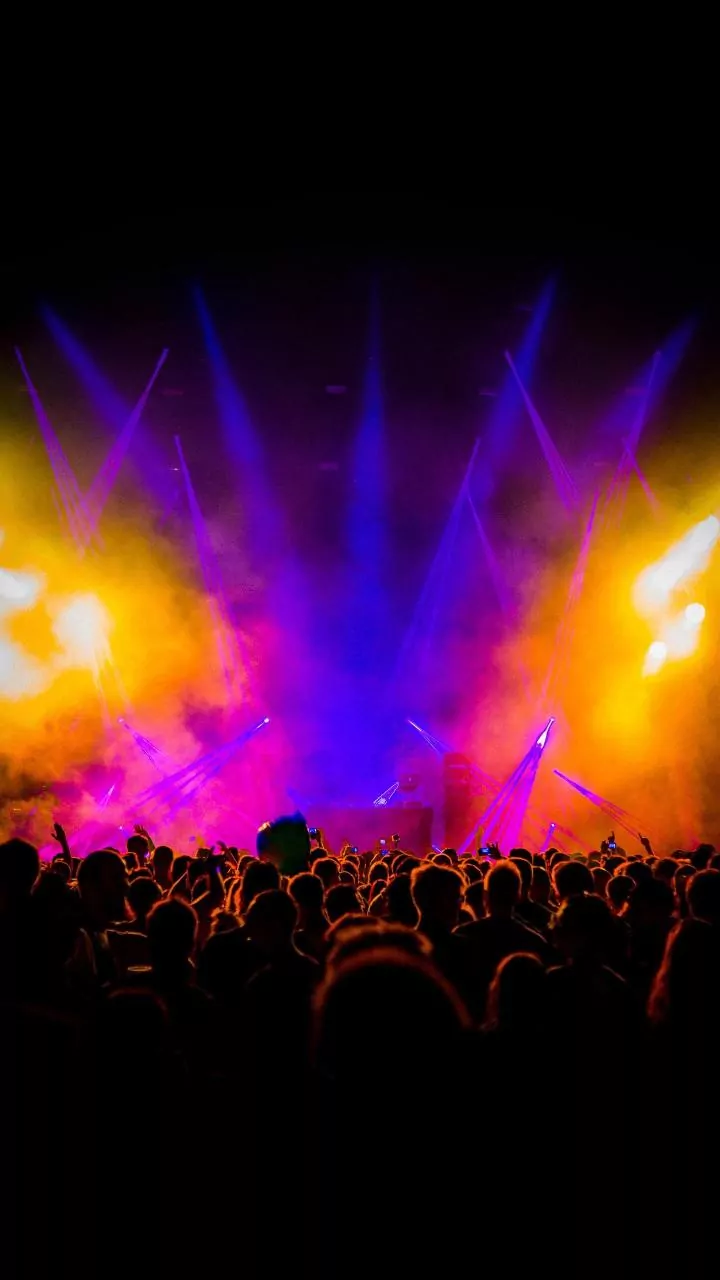
Forget the traditional family holiday calendar. For a rapidly growing number of young Indians, the most important dates of the year are not holidays or birthdays, but the release of festival schedules for events like Lollapalooza India, NH7 Weekender,
Magnetic Fields, and Sunburn. This isn't just about catching a local gig; it's about planning entire trips, booking flights and trains, and coordinating with friends to converge on a single point on the map for a weekend of music. Recent industry reports confirm this isn't just a feeling; it's a measurable phenomenon. One 2026 report found that a staggering 62% of Indian Gen Z plan to travel for concerts and festivals this year. Another study from Zostel noted that one in three young travellers now prefers a music festival trip over a conventional holiday, with bookings for such experiences seeing a 4-5x year-on-year jump.
Experiences Over Everything
So, what’s driving this change? At its core, this trend is powered by a fundamental shift in values, particularly among those under 35. The desire to accumulate experiences has officially overtaken the desire to accumulate things. Multiple reports from 2026 confirm that Indian consumers, led by Gen Z, are projected to increase their spending on experiences like travel, dining, and events at a faster rate than on physical goods through 2030. A music festival is the ultimate experiential purchase: it’s temporary, emotionally charged, and creates lasting memories. After years of digital saturation, the appeal of a real-world, collective experience is more powerful than ever. It’s a chance to disconnect from the mundane and connect with a like-minded community, all set to the soundtrack of your favourite artists.
The Social Media Multiplier
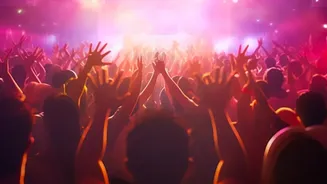
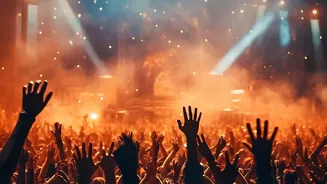
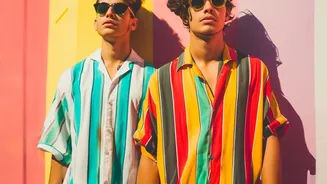
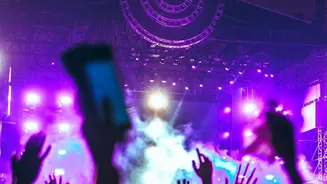
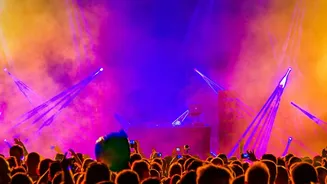
It's impossible to talk about youth culture without mentioning social media, which acts as a powerful amplifier for festival travel. Platforms like Instagram and Snapchat are tailor-made for the visual spectacle of a music festival—the fashion, the art installations, the massive crowds, and the sunset moments. Sharing these experiences online has become part of the event itself. This creates a powerful feedback loop; the more festivals are shared online, the more others feel the pull to attend. For many, it’s not just about seeing the band, but about being part of a moment that will be talked about and shared for weeks to come. This digital validation, combined with the genuine joy of the experience, makes the significant cost—with some reports pegging the average spend at over ₹50,000 for a single event-led trip—feel entirely worth it.
From Metros to Mountains
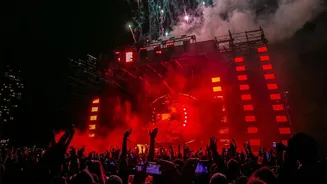
What’s particularly interesting is how this trend is reshaping the map of tourism in India. While big city festivals in Mumbai, Bengaluru, and Pune remain popular, the biggest growth is happening in more remote locations. Festivals like the Ziro Festival of Music in Arunachal Pradesh and the Cherry Blossom Festival in Shillong are becoming iconic travel destinations in their own right. Reports show bookings for the Ziro festival have skyrocketed by 7-8 times year-on-year, transforming Northeast India into a music tourism hotspot. For attendees, the journey itself—navigating mountains and valleys—becomes part of the adventure. For the destinations, it brings a surge of economic activity, as travellers extend their stays to explore the local culture, food, and scenery, with data showing 76% of young travellers have visited a city for the first time purely for a music event.