

The Gut Health Connection Explained
At the heart of this health benefit is the process of fermentation. Traditionally, Indian pickles are not just preserved in vinegar; they are lacto-fermented. This means vegetables or fruits are submerged in brine (a salt-water solution) and left to cure
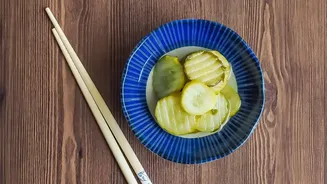
over time. During this period, naturally occurring beneficial bacteria, primarily from the Lactobacillus family, convert sugars into lactic acid. This acid not only preserves the pickle but also populates it with probiotics—the 'good' bacteria your gut needs to thrive. A healthy gut microbiome, rich in diverse bacteria, is crucial for smooth digestion, better nutrient absorption, and a stronger immune system.
Traditional Fermentation vs. Modern Pickling
It's important to distinguish between traditionally fermented pickles and most mass-produced versions you find in supermarkets. Commercial pickles often use vinegar and pasteurisation to achieve a long shelf life and consistent taste. While this method preserves the food, the heat and acidic environment can destroy the very probiotics that make pickles a gut-friendly food. Homemade or traditionally prepared pickles, which rely on the slower, natural fermentation process, are the ones that carry these significant probiotic benefits. They are, in essence, living foods that contribute to the ecosystem inside you.
A Flavourful Tour of Regional Powerhouses
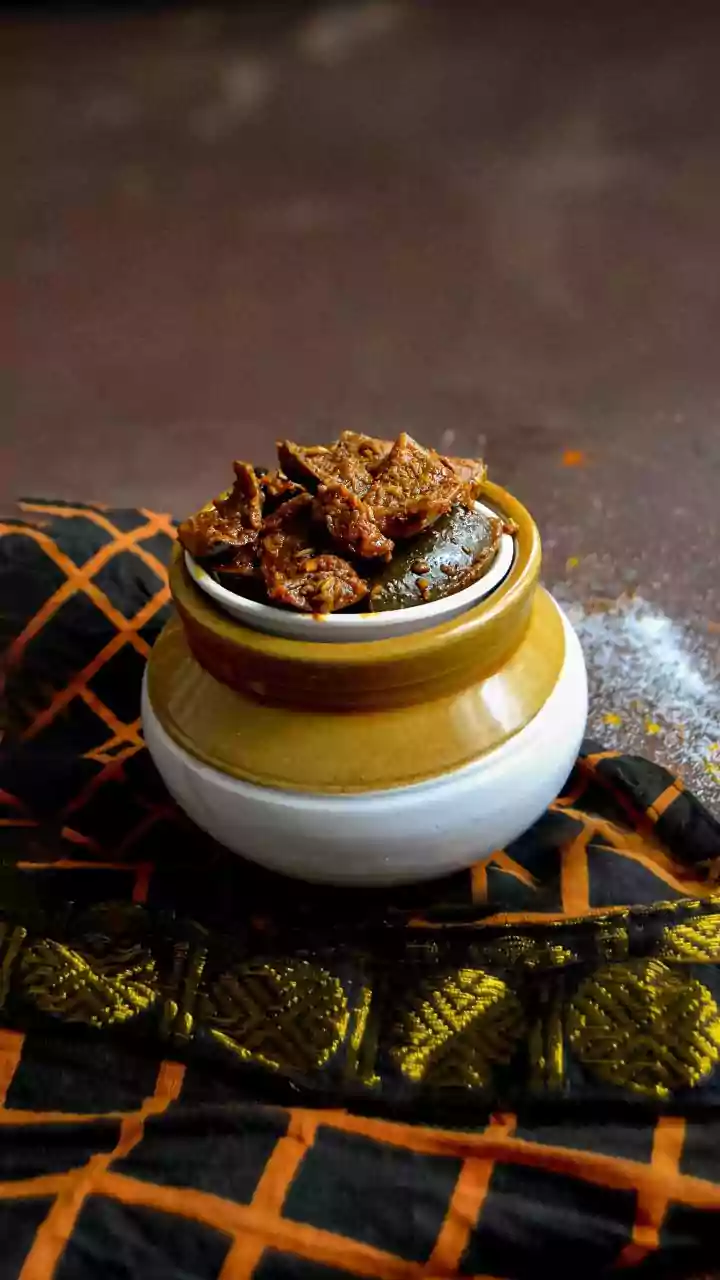
India's diverse culinary landscape offers a vast array of pickles, each with its unique ingredients and health profile. In North India, mustard oil is the preferred medium, known for its pungent flavour and antibacterial properties. A classic Punjabi mango pickle, for instance, is not just a tangy delight but also a source of gut-friendly bacteria from fermentation. Head south, and you'll find pickles made with sesame oil, a staple in Andhra Pradesh and Tamil Nadu. The famous Andhra Avakaya, a fiery mango pickle, uses sesame oil and a potent mix of spices that aid digestion. In the Northeast, you might find pickles made from bamboo shoots, offering a different set of fibres and nutrients for your gut.
More Than Just Probiotics: The Power of Spices
The health benefits of Indian pickles don't stop at probiotics. The spices used in their preparation are medicinal powerhouses in their own right. Turmeric (haldi), a staple in nearly every pickle, is a powerful anti-inflammatory. Fenugreek seeds (methi) are known to aid digestion and help regulate blood sugar. Asafoetida (hing) is traditionally used to reduce bloating and gas, while mustard seeds contain antioxidants. These spices work together, stimulating digestive enzymes and making it easier for your body to process food, which is why a small serving of pickle is traditionally served with meals.
Making Smart Choices With Your Achar
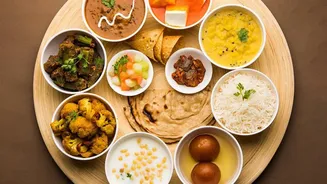
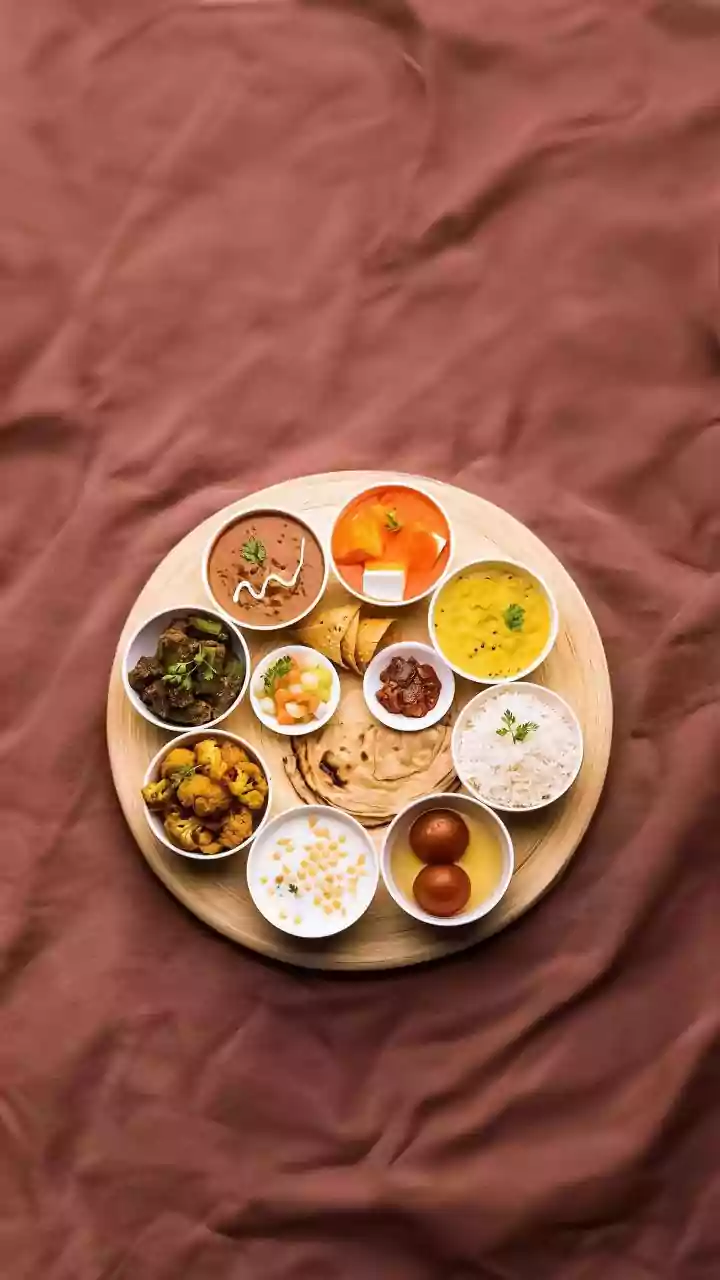
To reap the gut-health rewards, the type of pickle you choose matters. Opt for pickles that are labelled 'traditionally fermented' and avoid those with long lists of preservatives and high quantities of vinegar. Better yet, explore making your own at home, which gives you complete control over the ingredients, especially salt content. While beneficial, pickles are high in sodium, so moderation is key. A small spoonful with your meal is enough to add flavour and gain the digestive benefits without overdoing the salt. Pairing it with a simple meal like dal and rice can elevate the flavour and your digestive well-being simultaneously.