





The Era of the Encyclopedia Menu
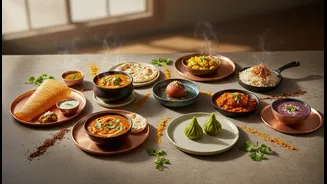
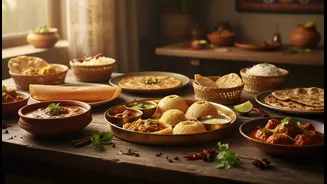
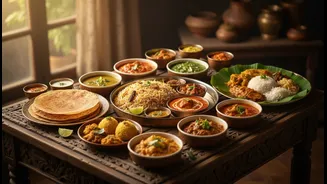
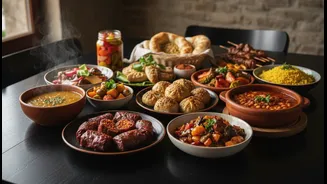
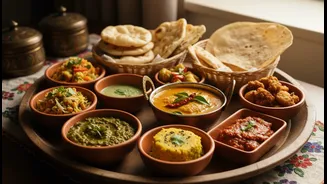
For decades, the term "pan-Indian" on a restaurant menu meant one thing: variety. It was a promise that a single kitchen could cater to every craving, offering a sprawling map of the subcontinent's culinary hits. From Punjabi butter chicken and Hyderabadi
biryani to a symbolic Goan fish curry, these menus were designed to be all things to all people. The logic was simple—in a country with such immense regional diversity, a comprehensive menu was a sign of capability and a safe bet for large groups with different tastes. This model served its purpose, introducing a broad spectrum of Indian flavours to diners under one roof. The focus was on coverage, not necessarily on depth, creating a familiar and comforting, if sometimes overwhelming, dining experience.
The Rise of the Curated Plate
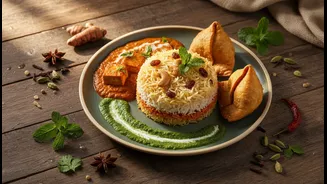
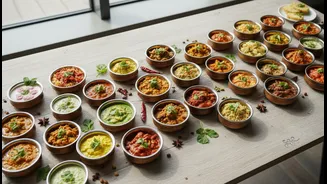
Today, a new philosophy is taking hold. Modern Indian restaurants are increasingly presenting menus that are concise, intentional, and deeply personal. This move toward curation is driven by several factors. Chefs are more confident in presenting their unique point of view, focusing on specific regional cuisines, forgotten recipes, or even a single ingredient. This approach mirrors global fine-dining trends, where tasting menus and chef-led journeys have replaced à la carte abundance. Well-travelled Indian diners, aware of these international formats, are now seeking more than just a meal; they want an experience, a story. A curated menu promises precision, higher-quality ingredients, and a narrative that turns dinner into a cultural event.
Less Is More, But Is It Better?
The curated approach has clear advantages. For the kitchen, it means less food waste, better quality control, and the ability to perfect a smaller number of dishes. For the diner, it removes the stress of choice and offers a guided experience crafted by an expert. These menus often highlight sustainable, locally sourced, and seasonal ingredients, reflecting a modern and responsible food philosophy. However, this shift is not without its critics. Some may find the limited options restrictive or miss the comfort of finding their familiar favourites. The experience can also be perceived as more expensive or pretentious compared to the democratic appeal of the all-encompassing menu. The challenge for these new restaurants is to prove that what is lost in breadth is more than made up for in depth and quality.
Redefining 'Pan-Indian' for Today
This trend isn't an abandonment of pan-Indian cuisine but a redefinition of it. Instead of representing the entire country through a long list of disparate dishes, the new pan-Indian restaurant embodies a philosophy. It might explore the shared techniques that connect different regions, apply modern methods like fermentation or sous-vide to traditional flavour profiles, or tell a story that links ingredients from Kashmir to Kerala on a single plate. Chefs are using food to create a narrative, whether inspired by a family tradition, a regional festival, or a forgotten historical recipe. In this new context, "pan-Indian" signifies a confident, forward-looking cuisine that honours its roots while embracing innovation, showcasing India's culinary heritage with pride on a global stage.