

The Art of the Tadka
Tadka, also known as 'chaunk' or 'phoron' depending on the region, is the foundational technique of tempering spices in hot fat, like oil or ghee. This aromatic mixture is then either used as the base of a gravy or poured over a finished dish as a final
garnish. It's a method that goes beyond mere seasoning; it's a controlled chemical reaction designed to build layers of flavour, transforming simple lentils and vegetables into complex, aromatic creations that define Indian cuisine. The process is swift, often lasting less than a minute, but its impact on the final taste is profound.
Fat as the Flavour Carrier
The secret to tadka's effectiveness lies in a simple scientific principle: most flavour compounds in spices are fat-soluble, not water-soluble. Dropping spices directly into a water-based gravy would leave their essential oils trapped. Hot fat, however, acts as a solvent, efficiently extracting these oils and aromatic compounds like terpenes and phenols. The fat then becomes a delivery vehicle, evenly distributing these captured essences throughout the entire dish, ensuring every spoonful is fragrant and rich. This is why a dal finished with a tadka tastes significantly more complex than one where spices were simply boiled in.
The Science of the Sizzle
When spices hit hot fat at temperatures between 140-180°C, several things happen. First, the heat ruptures the spices' cell walls, releasing the volatile aromatic compounds within. Cumin seeds, for example, release cuminaldehyde, which gives them their signature warm, earthy scent. Second, the high heat triggers the Maillard reaction—a chemical reaction between amino acids and reducing sugars that gives browned food its deep, savoury flavour. This is the same process that browns toast or roasts coffee, and in a tadka, it adds a toasted, nutty complexity to the spices that they wouldn't otherwise have.
A Symphony of Regional Fats and Spices
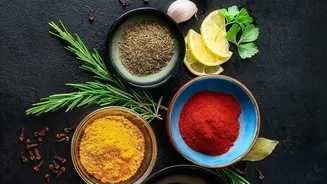
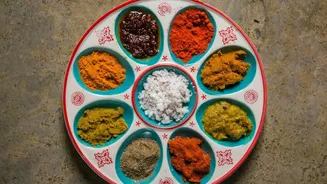
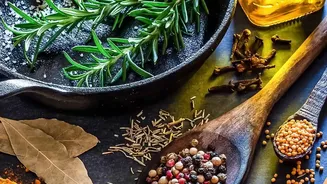
The genius of Indian regional cooking is expressed through the specific combinations of fats and spices used in a tadka. Each choice tells a story of local agriculture and culinary identity. In North India, gravies often start with a tadka in ghee, featuring warming spices like cumin, asafoetida (hing), and cloves. Travel to Bengal in the East, and you'll find the distinct pungency of mustard oil tempering a 'panch phoron' blend of five whole spices: fennel, fenugreek, nigella, cumin, and mustard seeds. In the South, coconut or sesame oil is common, with a signature sizzle of mustard seeds, curry leaves, and dried red chillies defining dishes like sambar and various chutneys. Meanwhile, in Gujarat, a 'vagaar' might include not just mustard and cumin seeds but also peanuts or sesame seeds for added texture.
More Than Just Flavour
Beyond its profound impact on taste and aroma, the practice of tadka is also rooted in Ayurvedic principles of health and digestion. Many spices used in tempering, such as cumin, fennel, and asafoetida, are known for their digestive properties. The process of heating them in fat not only unlocks their flavour but is also believed to make their beneficial compounds more bioavailable to the body. For example, curcumin, the active compound in turmeric, is better absorbed when consumed with fat. This makes tadka a technique that marries flavour science with traditional wellness, ensuring that food is not only delicious but also nourishing and easy to digest.