



What Is This Soothing Trend?
At its heart, this trend is a beautiful fusion of two distinct design philosophies: Japanese rustic minimalism and Scandinavian functional comfort. The name itself is a portmanteau of 'Japanese' and 'Scandi'. From Japan, it borrows the 'wabi-sabi' principle—finding
beauty in imperfection and embracing natural materials. From Scandinavia, it takes the concept of 'hygge'—a sense of coziness, contentment, and well-being through simplicity. The result is a style that is minimalist yet warm, functional yet elegant. It’s about creating an intentional space that promotes peace and mindfulness, stripping away the non-essential to focus on clean lines, natural elements, and a feeling of uncluttered calm.
The Calming Colour Palette
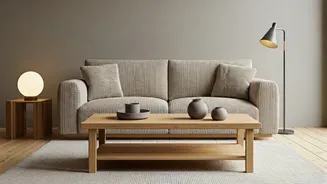
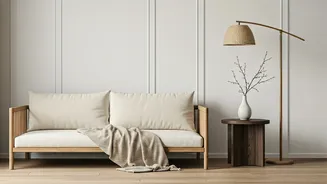
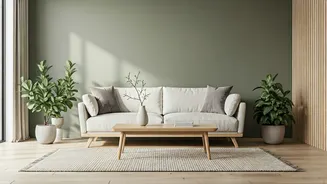
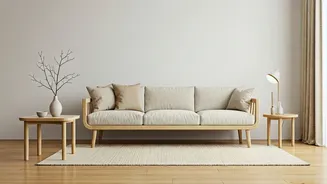
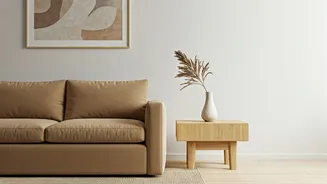
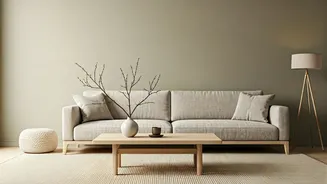
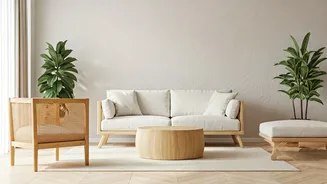
The foundation of a Japandi-inspired space is its serene colour scheme. Forget bright, jarring hues. Instead, think of a muted, nature-inspired palette. This includes shades of cream, beige, oatmeal, and stone grey, drawn from the Scandi aesthetic. To add depth and warmth, these are complemented by richer earthy tones from the Japanese style, such as terracotta, muted greens, and soft browns. A key element is the use of contrast, but in a subtle way. For instance, pairing a light-coloured sofa with a dark-stained wooden accent piece or using black as a sharp, minimal accent in lighting fixtures or window frames adds a touch of sophistication without overwhelming the senses. The goal is to create a harmonious backdrop that allows the textures and forms within the room to shine.
Focus on Natural Materials
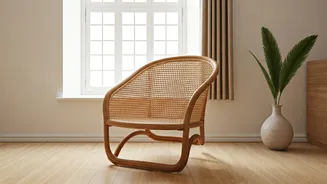
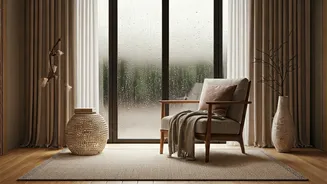
Texture is paramount in bringing this cozy, calm feeling to life. The trend heavily emphasizes natural, sustainable materials that connect us to the outdoors. Light-toned woods like oak and maple are a Scandinavian staple, while the Japanese influence brings in darker woods like stained teak or sheesham, often with beautiful grain patterns. Bamboo, rattan, and jute are also stars of this style, appearing in furniture, lighting, and decorative items like baskets and rugs. For textiles, think natural fibres. Soft linens, nubby cottons, and cozy wools are used for curtains, cushions, and throws, adding layers of comfort and tactile interest. The interplay of these different textures—the smoothness of wood against the roughness of a jute rug or the softness of a woollen blanket—is what makes the space feel rich and inviting, even with a minimal approach.
Choose Functional, Mindful Furniture
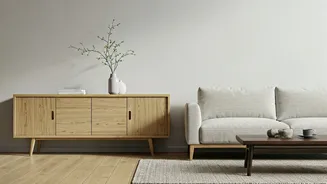
Japandi furniture is defined by clean lines, simple forms, and impeccable craftsmanship. It’s the opposite of fast, disposable furniture. Each piece is chosen for both its function and its beauty. You’ll see a mix of Scandi’s light, airy furniture with the more grounded, elegant forms of Japanese design. Think low-profile platform beds, simple wooden benches, and sofas with clean silhouettes and no unnecessary ornamentation. Functionality is key; every item should have a purpose. This focus on quality over quantity encourages a more mindful approach to consumption. Investing in a few well-made, timeless pieces is preferred over filling a room with clutter. Look for items that highlight natural wood grains and simple, strong joinery.
Declutter for Peace of Mind
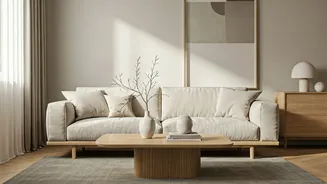
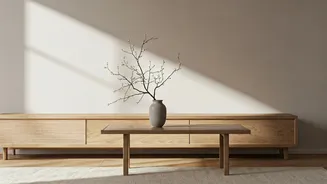
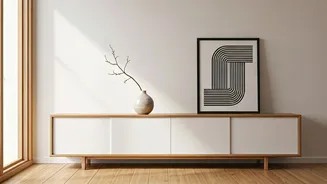
Perhaps the most important—and challenging—aspect of this trend is its commitment to minimalism. This isn’t about living in an empty, sterile box. It's about 'kansha', the Japanese concept of appreciating what you have and removing what is no longer necessary. A calm space is an uncluttered space. This means having smart storage solutions to keep daily mess out of sight and being intentional about what you display. Instead of a gallery wall of a dozen small pictures, opt for one large, impactful piece of abstract art. Instead of a shelf crowded with trinkets, display a single, beautifully crafted ceramic vase. The principle is simple: if it doesn't serve a purpose or bring you joy, it doesn't belong. This thoughtful curation ensures that your home remains a restful and visually quiet retreat.