






An Unrelenting Siege of Heat
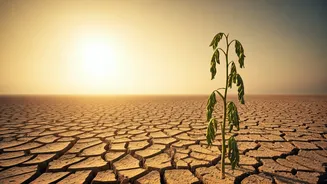
By any measure, this June has been punishing. The month has been marked by a relentless heatwave, with temperatures consistently soaring above 40 degrees Celsius. [3, 16] On Sunday, June 28th, the city recorded its warmest morning in two years, with the minimum
temperature refusing to drop below a sweltering 31.1 degrees Celsius. [3, 6, 7] This lack of overnight cooling is what turns discomfort into a genuine health hazard, as the body gets no respite. The India Meteorological Department (IMD) confirmed heatwave conditions, but the real story was the 'feels-like' temperature, which climbed past a staggering 50 degrees Celsius, a metric that combines heat and humidity to measure how the temperature actually feels to the human body. [6, 8, 15]
The Science Behind the Sizzle
This isn't a simple case of a hot summer. A toxic cocktail of meteorological factors has conspired to bake the capital. The primary culprit is the delayed monsoon. [3, 19] Normally expected around June 27th, its arrival has been pushed back, preventing the seasonal cool-down. [6, 15] Instead, a clash of air masses is occurring over the region: dry, hot westerly winds from Pakistan are driving up the temperature, while moist southwesterly winds from the Arabian Sea are pumping up the humidity. [3, 19] This combination creates a brutally oppressive, sticky heat that is far more dangerous than dry heat alone, as high humidity inhibits the body's ability to cool itself through sweating. [8, 15, 23]
A City Stretched to Its Limits
The extreme heat places an enormous strain on the city's essential infrastructure. Peak power demand has shattered previous records as millions of air conditioners and coolers run nonstop, leading to fears of outages and stressing the grid. [9] Unscheduled power cuts have already been reported in several areas due to overloaded transformers. [9] The water crisis, a perennial summer issue, has also intensified. [22, 24] With soaring demand and shrinking supply in the Yamuna, many neighbourhoods are reliant on tankers, and the struggle for this basic necessity becomes more acute with every degree the temperature climbs. [9, 22]
Your Survival Guide
Staying safe in this weather requires a conscious shift in daily routines. The golden rule is to stay indoors during the peak heat hours, typically between 11 a.m. and 4 p.m. [4, 5, 13] Hydration is non-negotiable; drink water consistently throughout the day, even if you don't feel thirsty. [4] Traditional Indian drinks like aam panna (raw mango juice), buttermilk, and sattu sharbat are excellent for replenishing lost electrolytes. [11, 14] Opt for light, loose-fitting cotton clothing in pale colours. [4, 5] It's crucial to recognise the signs of heat exhaustion: dizziness, weakness, nausea, and headache. If you experience these, move to a cool place immediately, hydrate, and rest. If symptoms worsen or you suspect heatstroke (high fever, confusion, no sweating), seek medical help immediately. [4, 14]
The Wait for Rain
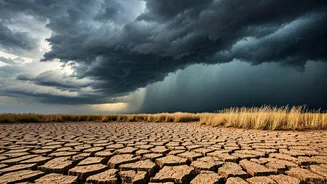
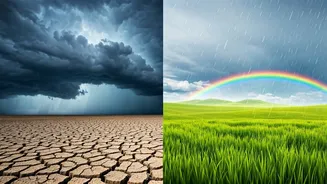
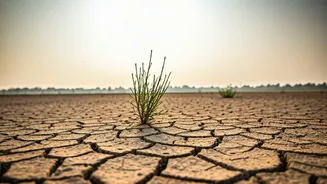
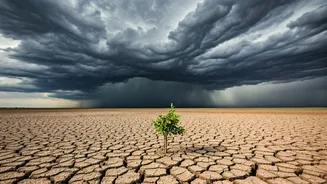
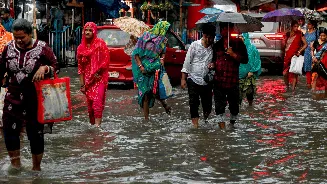
There is a sliver of hope on the horizon. The IMD forecasts that conditions are becoming favourable for the monsoon to finally advance over northern India in the first week of July. [6, 19, 20] Until then, Delhi remains in a tense standoff with the sun. This annual trial by fire is a stark reminder of the city's vulnerability to extreme weather, a challenge amplified by urbanisation and climate change. It highlights not only the resilience of its people but also the urgent need for more robust, climate-proof infrastructure. For now, all eyes are on the sky, waiting for the thick, dark clouds that promise relief and a sweet, earthy scent of rain on parched ground.