



The Festive Footprint
For decades, the immersion of idols, particularly during Ganesh Chaturthi, has been a growing environmental concern. Traditionally made from Plaster of Paris (PoP) and decorated with toxic, chemical-based paints, these idols do not dissolve easily. When
immersed in rivers, lakes, and oceans, they break down slowly, releasing harmful substances like lead, mercury, and cadmium into the water. This pollutes aquatic ecosystems, harms marine life, and contaminates water sources used by communities. The festive debris, including plastic decorations and other non-biodegradable materials, further chokes our waterways, turning sites of sacred ritual into scenes of pollution. This environmental hangover has prompted a collective search for a better way to celebrate—one that honours tradition without dishonouring nature.
The Revival of Clay
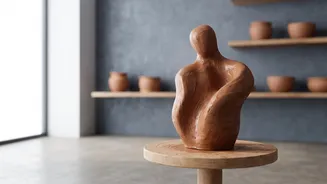
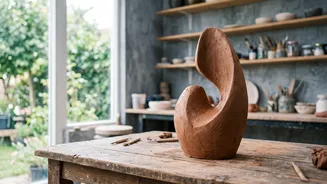
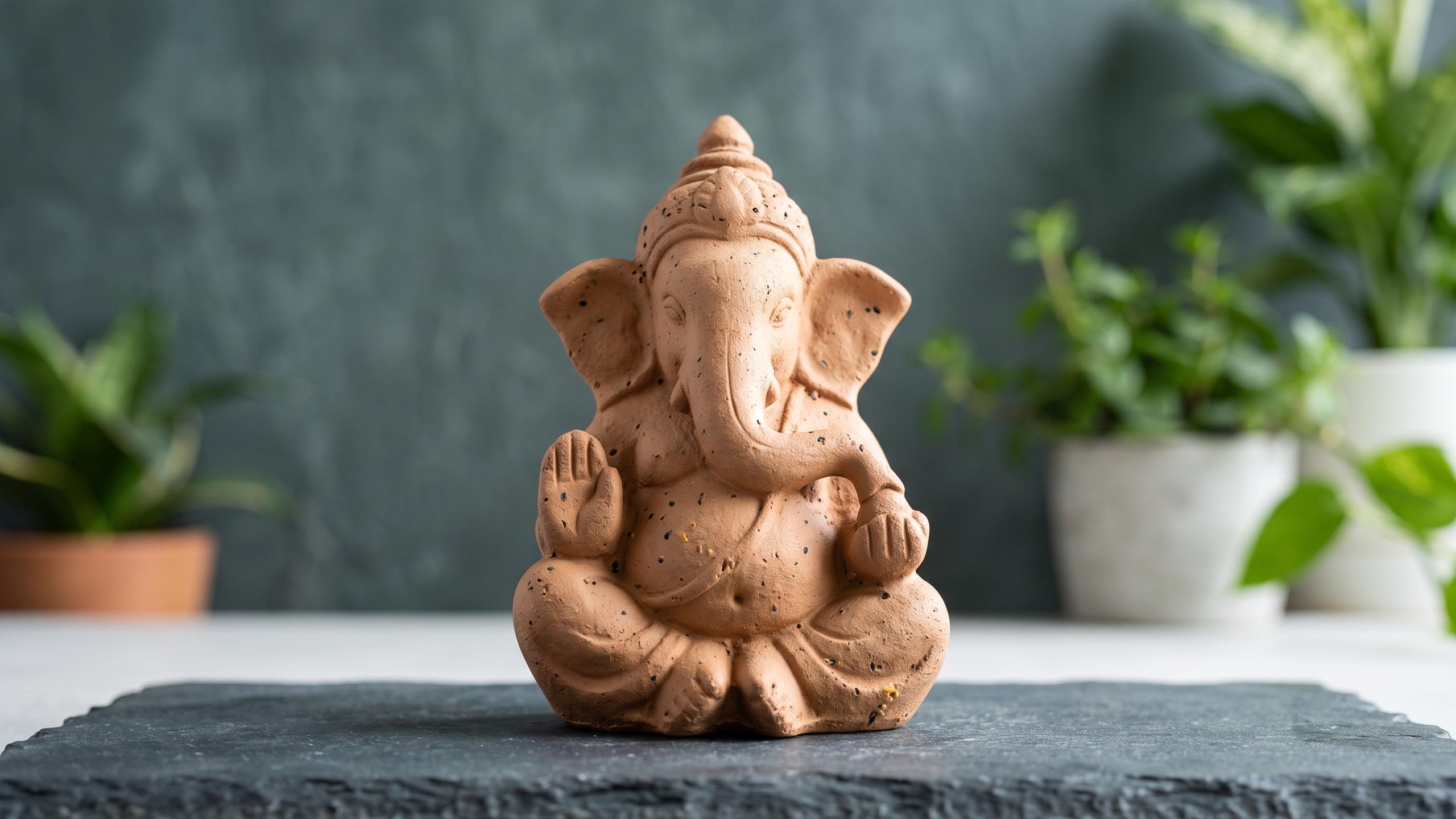
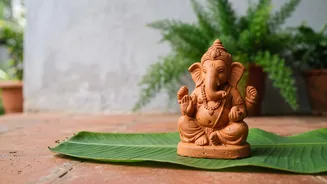
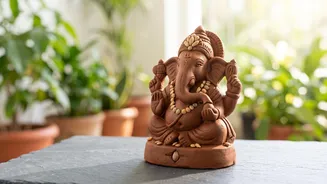
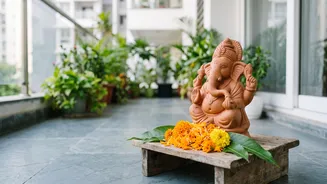
The solution, as many green entrepreneurs have discovered, lies in returning to the roots of the tradition. Before the mass production of PoP idols, Ganeshas were sculpted from natural clay, or 'shadu mati'. Today, artisans and companies across India are reviving this practice. Brands like Tree Ganesha and Green Practices are championing idols made from 100% natural clay, which is biodegradable and dissolves completely in water within hours. This shift enables a beautiful and responsible alternative: at-home immersion. Instead of crowding already polluted water bodies, families can perform the 'visarjan' ritual in a bucket or tub at home. The dissolved clay can then be poured into a garden or potted plant, returning the earth to the earth in a symbolic and sustainable cycle.
From Idol to Plant
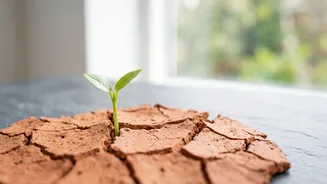
The most exciting innovation goes a step further, transforming the act of immersion into an act of creation. Enter the 'seed idol'. These eco-friendly Ganeshas, created by innovators like Seed Paper India, are embedded with seeds of vegetables or flowering plants like tulsi and marigold. When the clay idol dissolves in water, it forms a fertile mixture of soil and seeds. This can then be transferred to a pot, and with a little care, a new plant sprouts in a matter of days. The concept transforms the conclusion of the festival into a new beginning, where the blessings of the deity are symbolised by the growth of a new life. It’s a powerful idea that resonates deeply with families, especially children, teaching them about the cycles of nature and responsibility in a tangible way.
Decorations That Grow
This green-conscious creativity isn't limited to Ganesha idols. The movement has spread to other festivals and traditions, reimagining everything from rakhis to Diwali firecrackers. For Raksha Bandhan, which falls on August 28 this year, 'seed rakhis' have become immensely popular. Initiatives like the Gram Art Project, started by artist Shweta Bhattad, empower rural women to handcraft beautiful rakhis from organic cotton and natural dyes, with seeds tucked into the threads. After the festival, the rakhi can be planted. Similarly, for Diwali, some companies now offer 'plantable crackers' made of seed paper that, instead of exploding into noise and smoke, can be sown to grow into plants. These innovations offer a way to celebrate with purpose, ensuring that festival paraphernalia doesn’t end up in a landfill.
The Artisans of Change
Behind this movement are passionate individuals and startups dedicated to making sustainability accessible and beautiful. Many of these enterprises, like Green Practices, actively collaborate with local artisans, providing them with livelihoods and a platform for their skills. Some, like Srija Green Galaxy, are even experimenting with novel materials like groundnut shells and other agricultural waste to create idols. These innovators face challenges, from competing with the low cost of mass-produced PoP idols to shifting long-standing consumer habits. Yet, their commitment to a 'celebration with a conscience' is steadily gaining ground, as more people seek to align their faith and festivities with their environmental values. They are not just selling products; they are offering a more meaningful way to celebrate.