




Flights and Hotels: Just the Beginning
Booking your flight and accommodation is the exciting first step, but it's crucial to see these as only part of your total travel fund. While they are the biggest single expenses, the daily costs of getting around, eating, and sightseeing are what make
or break a budget. A budget traveller can expect to spend around ¥12,000-18,000 ($80-$120) per day in total. This includes a bed in a hostel or capsule hotel, which can range from ¥2,000 to ¥6,000 per night. Once you have these major costs locked in, the real planning begins: accounting for every yen you'll spend from the moment you leave your hotel to when you return.
Getting Around: The JR Pass Dilemma
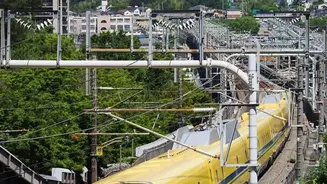
Japan's public transport is legendary, but it comes at a price. The most significant decision for many is the Japan Rail Pass (JR Pass). After a major price increase, the nationwide 7-day pass now costs ¥50,000. For most travellers sticking to the popular Tokyo-Kyoto-Osaka route, buying individual Shinkansen (bullet train) tickets is now often cheaper. For example, a one-way ticket from Tokyo to Kyoto costs around ¥13,320. The JR Pass only becomes cost-effective if you plan on making at least three long-distance trips within its validity period. For travel within cities, invest in a rechargeable IC card like Suica or Pasmo. A single subway ride in Tokyo typically costs between ¥170 and ¥310. For a day of heavy sightseeing, a 24-hour Tokyo Subway ticket for ¥800 can be a money-saver. In Kyoto, where buses are more prevalent, a single ride has a flat fare of ¥230.
Eating Well on a Budget
One of Japan's biggest and most pleasant surprises is how affordable and high-quality its budget food options are. You do not need to spend a lot to eat incredibly well. A daily food budget of ¥2,000-¥3,500 ($13-$24) is realistic for a budget traveller. Convenience stores, or 'konbini' like 7-Eleven and FamilyMart, are a revelation. You can get a delicious breakfast of an onigiri (rice ball) and coffee for under ¥500. For lunch and dinner, a hearty bowl of ramen will set you back ¥600-¥1,200, while beef bowls at chains like Yoshinoya are around ¥500. Many restaurants also offer 'teishoku' (set meals) for around ¥1,000-¥1,500, especially at lunchtime. By mixing these options, you can enjoy authentic Japanese cuisine without emptying your wallet.
Sightseeing: What's Free and What's Not
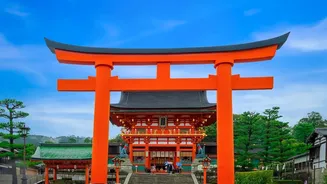
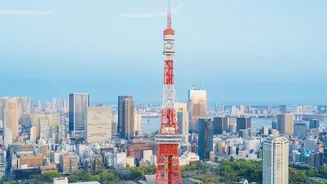
Many of Japan's most beautiful sights are completely free. Exploring Tokyo's famous Senso-ji Temple or Meiji Shrine costs nothing. Likewise, witnessing the spectacle of the Shibuya Scramble Crossing or relaxing in Ueno Park is free of charge. However, many temples, shrines, and museums do have entrance fees, which can add up. These are typically modest, ranging from ¥300 to ¥1,000. For a stunning, and free, panoramic view of Tokyo, skip the paid towers and head to the observation deck of the Tokyo Metropolitan Government Building in Shinjuku. If you plan a day of museum-hopping, check for passes like the Osaka Amazing Pass, which bundles transport with free entry to over 40 attractions. Factoring in about ¥1,000-¥2,000 per day for activities is a safe bet.
The Hidden Costs That Add Up
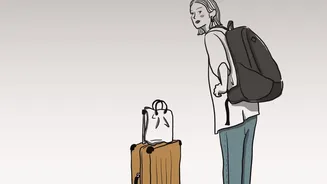
Finally, the true 'door-to-door' calculation includes the small, often-forgotten expenses. Staying connected is essential; renting a pocket Wi-Fi or buying an eSIM is a must and should be budgeted for. Using coin lockers at train stations is a convenient way to store luggage while exploring for a few hours, typically costing a few hundred yen. Then there are the incidental purchases: a drink from a vending machine, a unique souvenir, or an extra snack. While small on their own, these costs accumulate. A smart strategy is to add a miscellaneous category to your daily budget, perhaps 10-15% of your total, to cover these surprises without stress.