




1. Rethink Your Cooking Methods
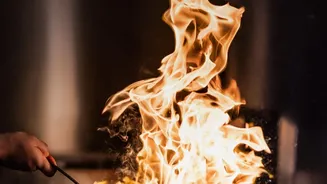
The single most effective way to cut down on oil is to choose cooking methods that require less of it. While deep-frying pakoras or puris is a beloved tradition, it consumes a large amount of oil. Consider limiting deep-fried foods and exploring healthier,
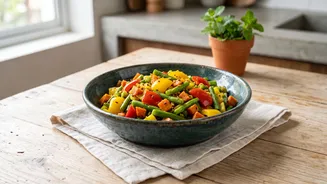
less oil-intensive techniques. Baking, steaming, grilling, and air-frying can deliver delicious results with just a fraction of the fat. For instance, instead of deep-frying samosas or tikkis, try baking them until golden and crisp. Steaming vegetables preserves their nutrients and colour without any oil at all. Even for daily sabzis, instead of frying vegetables, you can lightly sauté them and then add a splash of water or broth to cook them through, a technique called water sautéing. This prevents sticking and helps create a flavourful base without relying solely on oil.
2. Use the Right Tools for the Job
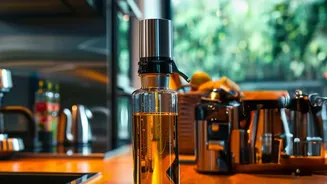
Your cookware can be your best ally in the quest to save oil. Investing in a good quality non-stick pan or a well-seasoned cast-iron kadai is one of the most impactful changes you can make. These surfaces prevent food from sticking, which is the main reason many people add extra oil during cooking. Another useful tool is an oil spray bottle or a silicone brush. Instead of pouring oil directly from the bottle, which often leads to using too much, a spray or brush allows you to apply a thin, even coat. This is perfect for greasing a pan for dosas, chillas, or even for coating vegetables before roasting. This simple switch can help you reduce oil usage significantly without affecting the final dish.
3. Measure, Don't Pour
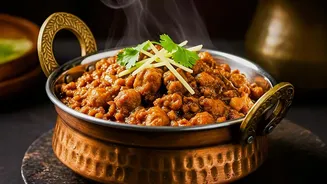
It's a common habit to pour oil directly into a hot pan, guessing the amount needed. This almost always results in using more than necessary. A simple but powerful change is to start measuring your oil with a spoon before adding it to the pan. This conscious step makes you aware of exactly how much you are using and helps you stick to a smaller quantity. You can start by reducing the amount a recipe calls for by 25-50% and see if you notice a difference. Often, you'll find that much less oil is needed than you think, especially when using non-stick cookware. For many Indian curries, once the initial tempering (tadka) is done, you can use splashes of water or stock to continue sautéing the onion-tomato masala, preventing it from sticking without adding more oil.
4. Store It Properly to Prevent Wastage
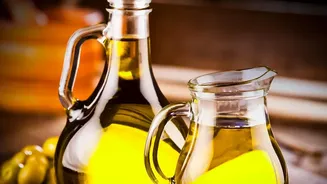
Wasting oil due to spoilage is like pouring money down the drain. The three main enemies of cooking oil are heat, light, and air, all of which cause it to break down and turn rancid. To maximise its shelf life, always store your oil in a cool, dark place like a pantry or a cupboard, away from the stove and direct sunlight. Make sure the lid is sealed tightly after each use to minimise exposure to oxygen. It's also best to avoid mixing old oil with new oil, as this can degrade the quality of the fresh batch. By storing your oil correctly, you ensure that it stays fresh for longer, preventing the need to discard it before it's finished.
5. Reuse Oil Safely and Know When to Discard It
Reusing frying oil can be an effective way to save money, but it must be done with caution. According to the Food Safety and Standards Authority of India (FSSAI), cooking oil should ideally not be reused more than three times for frying. If you do reuse it, it's crucial to filter it first through a fine-mesh sieve or cheesecloth to remove any food particles, as these can accelerate spoilage. It's also important to store the used oil in a separate, airtight container and never mix it with fresh oil. Pay attention to the signs of degradation: if the oil appears dark, gummy, smoky when heated, or has a foul odour, it's time to dispose of it. FSSAI also suggests that oil used once for frying can be used for curry preparations but not for repeated frying.