





Why This Warning Matters Now
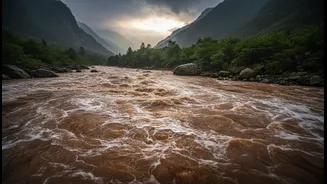
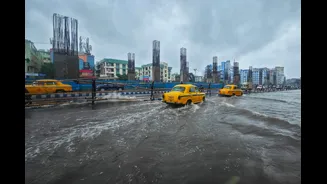
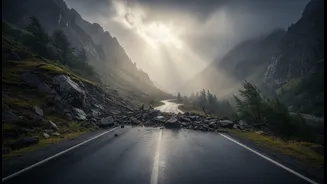
Recent years have seen a surge in extreme weather events across India's Himalayan states. Heavy monsoon rainfall often leads to landslides and flash floods, turning picturesque landscapes into danger zones. Just this month, states like Himachal Pradesh
and Uttarakhand have witnessed significant disruptions, with dozens of roads, including national highways, being blocked for days. In one incident, nearly 100 metres of a national highway were washed away, stranding pilgrims and tourists. The India Meteorological Department (IMD) has been issuing regular warnings for heavy to very heavy rainfall in these popular tourist regions, highlighting the potential for landslides, rising river levels, and traffic chaos. This isn't about cancelling plans, but about making informed ones.
Mastering the Weather Forecast
A quick look at the temperature is no longer enough. Before and during your trip, make it a habit to check the IMD's official website. Look for specific district-wise warnings, often colour-coded for severity. The IMD provides specialized forecasts for tourism and pilgrimages, which can offer more targeted information. Pay close attention to alerts for "heavy to very heavy rainfall," as these are the primary triggers for landslides and flash floods. Also, understand that weather in the mountains can change rapidly. A clear morning can turn into a torrential downpour by the afternoon, so always have a plan B.
Your Lifeline: Checking Road Status
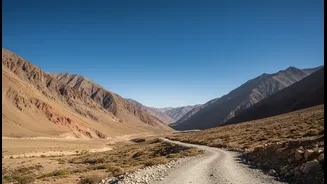
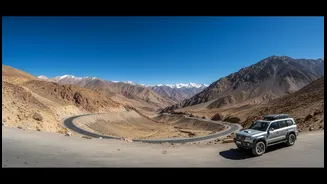
The most beautiful resort is worthless if you can't reach it. Before you start your journey, and even during transit, verify the status of key highways and local access roads. State disaster management authority (SDMA) websites and the social media accounts of local police departments are often the most reliable sources for real-time updates on road closures. For instance, the Manali-Leh highway, a popular route for adventurers, frequently closes due to flash floods or landslides at high passes like Baralacha La. Don't rely solely on Google Maps, which may not reflect immediate closures. A quick search for local news reports or calling your hotel for on-the-ground information can save you hours of being stranded.
Leverage Local Knowledge
Your hotelier or homestay host can be your best resource. Before you even leave home, call them to ask about local conditions. They will know which roads are safe, if any streams are swelling, and whether there are any local advisories in place. They have a vested interest in your safe arrival and can provide a level of detail that a national forecast cannot. They can also advise on the safest times to travel and which routes to avoid, information that is invaluable during an unpredictable monsoon season.
Pack for Preparedness, Not Panic
A smart packing list can make all the difference in a disruption. Assume there might be delays. Pack quick-dry clothing instead of heavy cottons like jeans, which take forever to dry. Essential items include a powerful power bank, a comprehensive first-aid kit, some non-perishable snacks and extra water. Download offline maps of your route and destination, as mobile connectivity can be patchy in remote areas, especially during bad weather. Waterproofing is key: use rain covers for your luggage and carry zip-lock bags for your electronics and important documents.