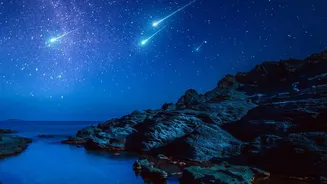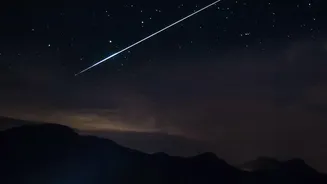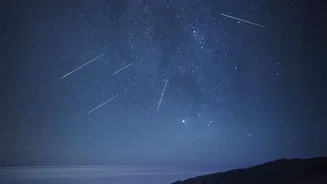


What Exactly Are the Orionids?
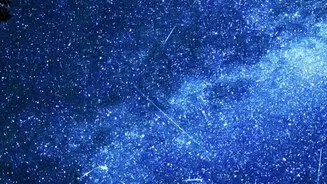
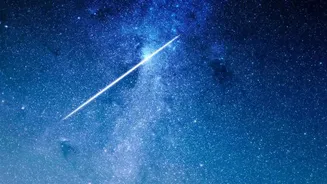
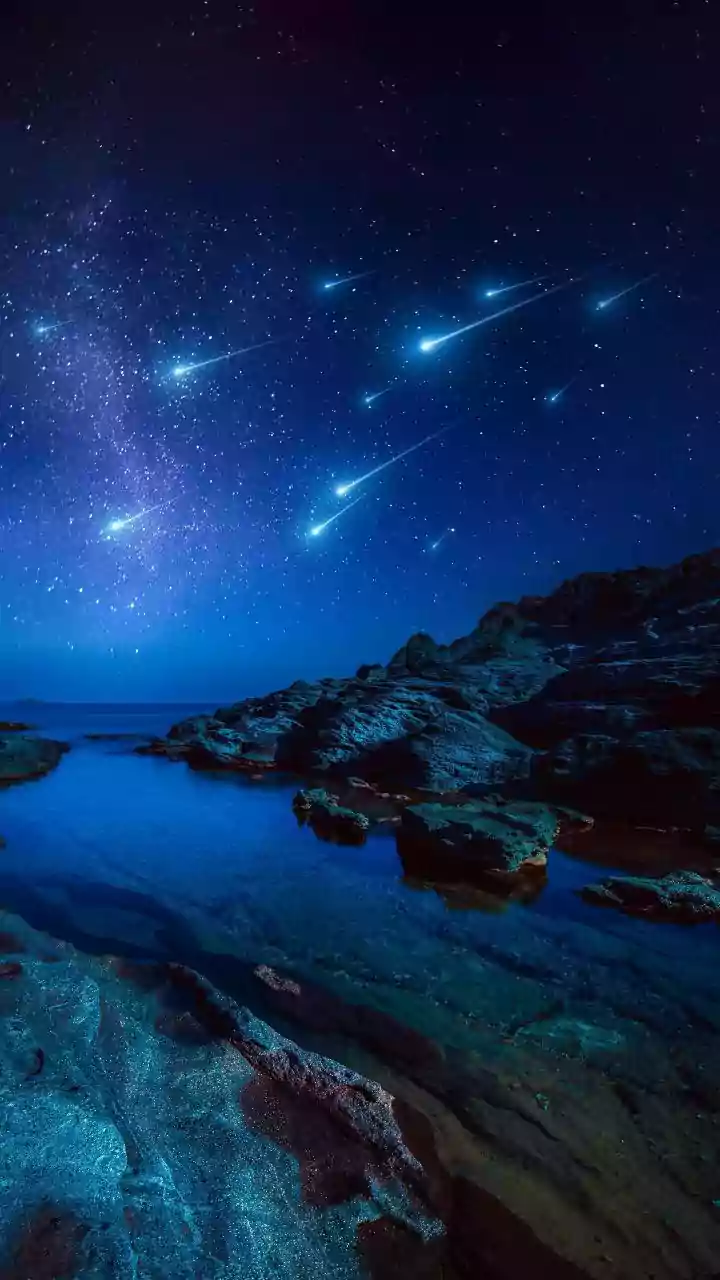
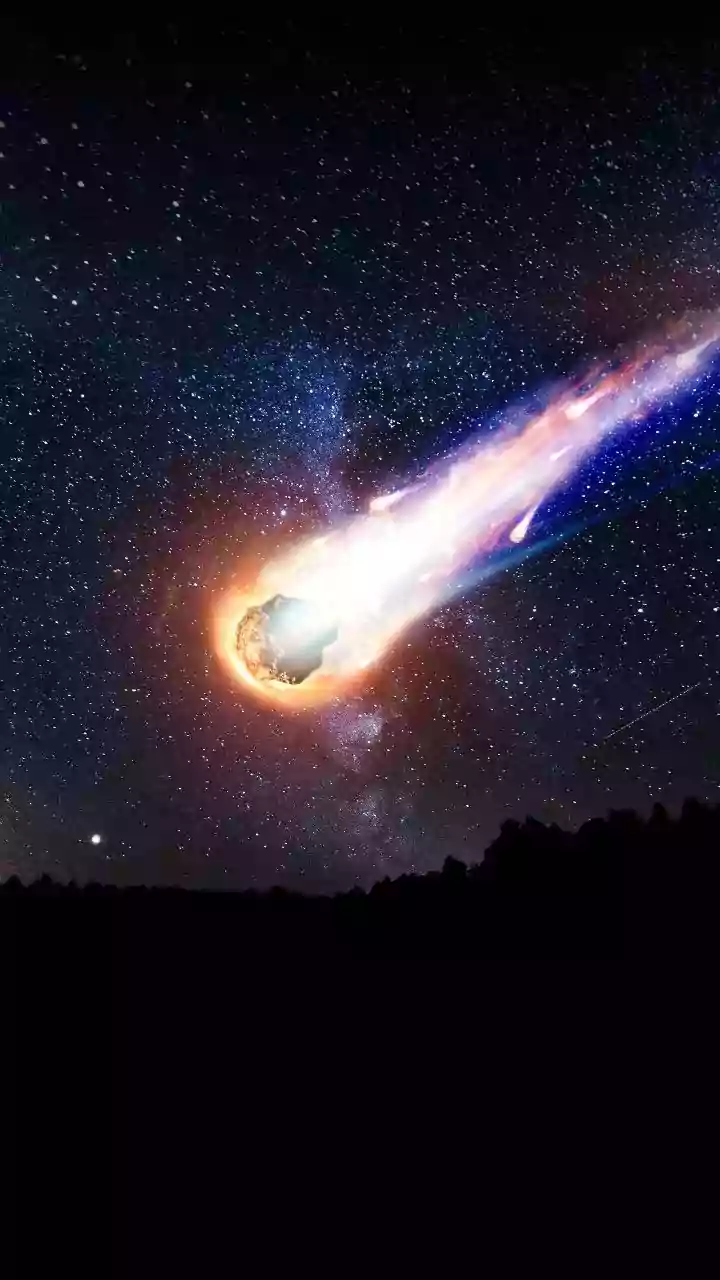
The Orionid meteor shower happens every October when Earth passes through a stream of cosmic dust left behind by Halley's Comet, arguably the most famous comet in history. These particles, many no bigger than a grain of sand, slam into our atmosphere
at incredible speeds—about 66 kilometres per second—and burn up, creating the brilliant streaks of light we call meteors or 'shooting stars'. The Orionids are known for being particularly fast and bright, and they sometimes leave glowing 'trains' that linger for a few seconds after the meteor has vanished. While Halley's Comet itself only visits the inner solar system once every 76 years (next appearing in 2061), it leaves us this beautiful, fiery reminder of its journey through space every year.
Peak Dates and Times for India
The Orionid meteor shower is active from early October to early November. However, the best time to watch will be during its peak, on the night of October 21 and into the pre-dawn hours of October 22. Under perfect conditions, you might see 10 to 20 meteors per hour. There is a challenge for 2026, though: a bright waxing gibbous Moon will be in the sky for much of the night, washing out the fainter meteors. For viewers in India, the best strategy is to wait until the hours before dawn. The Moon will set a few hours before sunrise, creating a dark window of opportunity to catch the show when the sky is at its blackest.
Where to Look in the Night Sky
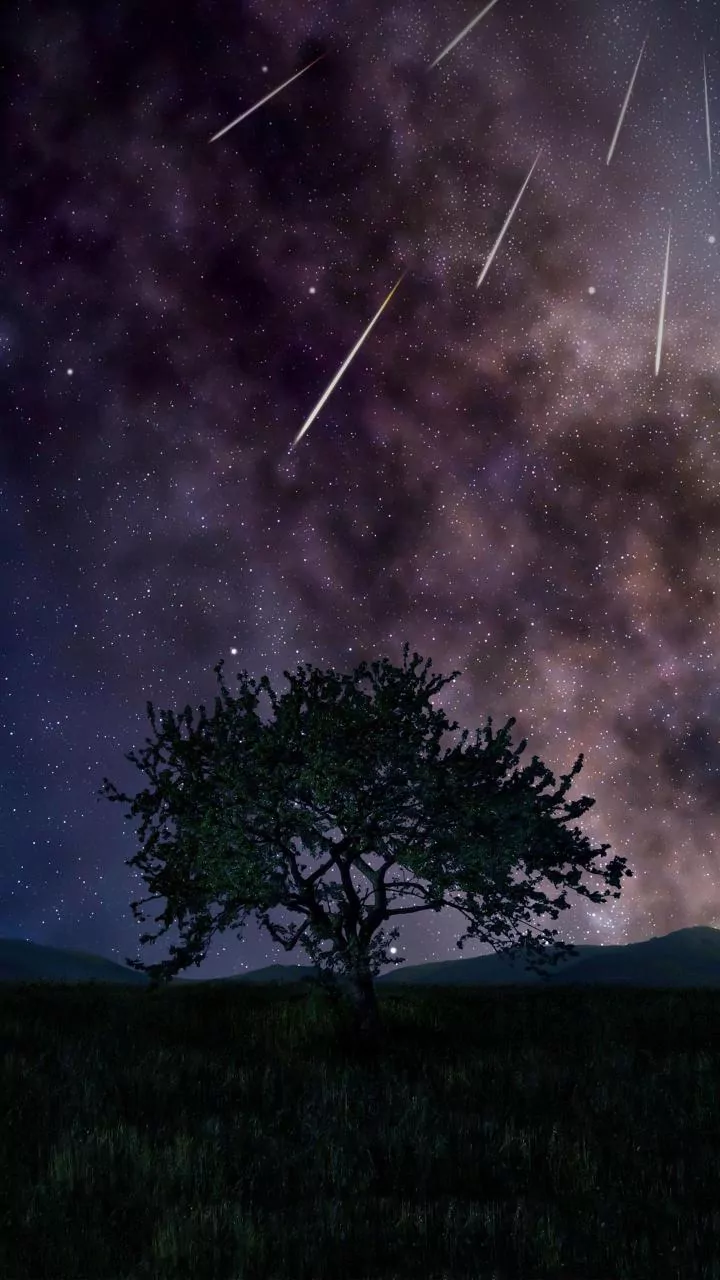
The shower gets its name because the meteors appear to radiate from a point in the constellation Orion, the Hunter. You can use a stargazing app to locate Orion, which will rise in the eastern sky after midnight. However, you don't need to stare directly at the constellation. In fact, it's better not to. The meteors will appear all across the sky, and those further from the radiant point often have longer, more spectacular trails. The best approach is to find a comfortable spot, lie back, and simply look up, taking in as much of the sky as possible.
A Practical Viewing Guide
To maximise your chances of seeing shooting stars, follow a few simple tips. First, get away from city lights. Light pollution is the biggest obstacle to viewing meteor showers. Head to a darker spot in the countryside, a remote beach, or even a less-lit park. Second, give your eyes time to adjust. It takes about 20 to 30 minutes for your eyes to fully adapt to the darkness, allowing you to see much fainter meteors. Put away your phone, as its bright screen will ruin your night vision. Finally, be patient and comfortable. You don't need a telescope or binoculars; your naked eyes are the best tool for the job. Bring a blanket or a reclining chair, dress in warm layers, and settle in for the cosmic display.