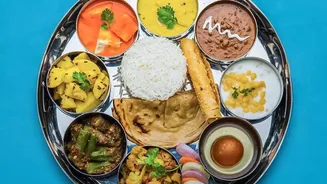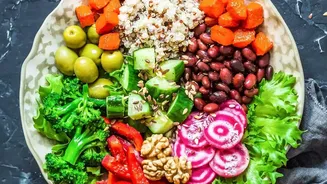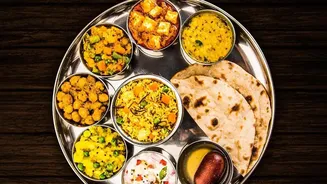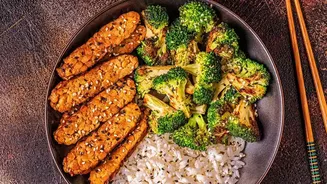



Feeling sluggish after a vegetarian lunch? You might be missing a key ingredient: protein. A protein-packed midday meal is crucial for sustained energy and fullness. Here’s how to easily make your vegetarian lunches work harder for you.
Why Protein at Lunch Matters
Often, vegetarian
lunches can be heavy on carbohydrates and light on protein, leading to that all-too-familiar afternoon slump. Incorporating a good source of protein into your midday meal can make a significant difference. Protein is more satiating than fats or carbs, meaning it helps you feel fuller for longer, curbing the urge to snack. It also plays a vital role in stabilising blood sugar levels, preventing the sharp spikes and crashes that can leave you feeling drained. Furthermore, protein is essential for muscle repair and maintenance, and your body requires more energy to digest it, which can give your metabolism a slight boost. Aiming for 20-30 grams of protein at lunch is a great target to reap these benefits.
Lentils and Legumes: The Pantry Powerhouses
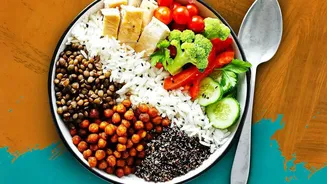
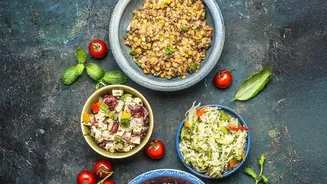
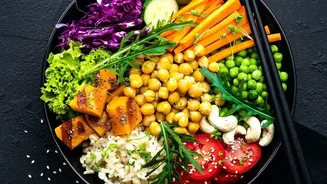
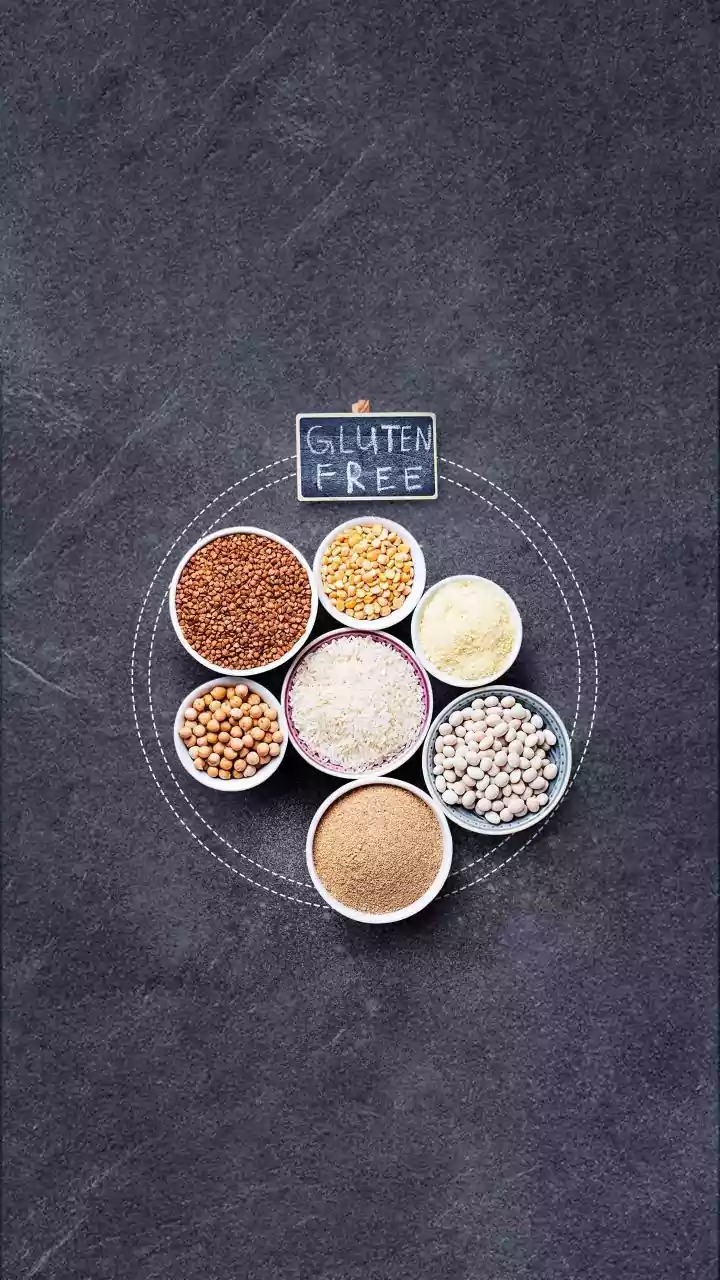
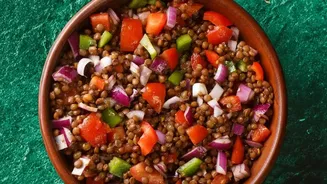
Lentils (dal), chickpeas (chana), and other beans are some of the most accessible and affordable protein sources. A single cooked cup of lentils provides around 18 grams of protein, while chickpeas offer about 15 grams. These are not only high in protein but also packed with fibre, which aids digestion and increases feelings of fullness. For a quick lunch, a hearty lentil soup is a classic choice. You can also toss a can of chickpeas with chopped cucumber, tomatoes, and a lemon-herb dressing for a refreshing salad. Rajma with brown rice is another balanced and satisfying meal that combines protein and complex carbs for sustained energy.
Paneer and Tofu: The Versatile Blocks
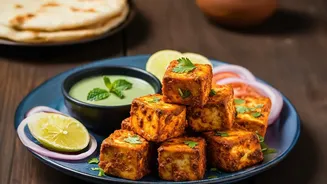
Paneer and tofu are staples in vegetarian cooking for a reason. Paneer, a fresh cheese common in Indian cuisine, is a protein powerhouse, offering about 18-20 grams of protein per 100 grams. It's excellent in a 'bhurji' (scramble) or added to vegetable curries. Tofu, made from soybeans, is another fantastic option, especially for those avoiding dairy. A 100-gram serving of firm tofu contains around 8-10 grams of complete protein, meaning it has all the essential amino acids your body needs. Tofu is incredibly versatile as it absorbs the flavours of whatever it's cooked with, making it perfect for stir-fries, salads, or as a plant-based sandwich filling.
Dairy and Eggs: The Quick_Fix Proteins
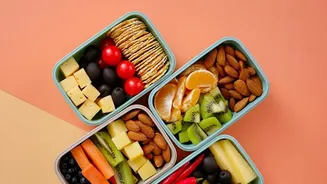
Don't underestimate the protein power of dairy and eggs. Greek yogurt is a standout, containing nearly double the protein of regular yogurt, with about 10 grams per 100nd gram serving. A simple bowl of Greek yogurt topped with nuts, seeds, and fruit can be a surprisingly filling and protein_rich lunch. Cottage cheese is another excellent source, providing around 12 grams of protein per 100 grams. And of course, eggs are a quick and easy option, with each egg containing about 6 grams of protein. A two_egg omelette or a couple of hard_boiled eggs added to a salad can instantly boost your meal's protein content.
Nuts, Seeds, and Grains: The Protein Toppers
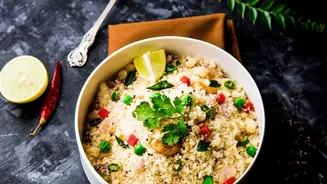
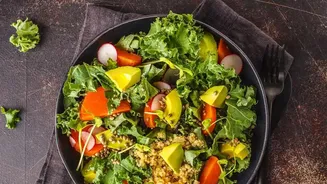
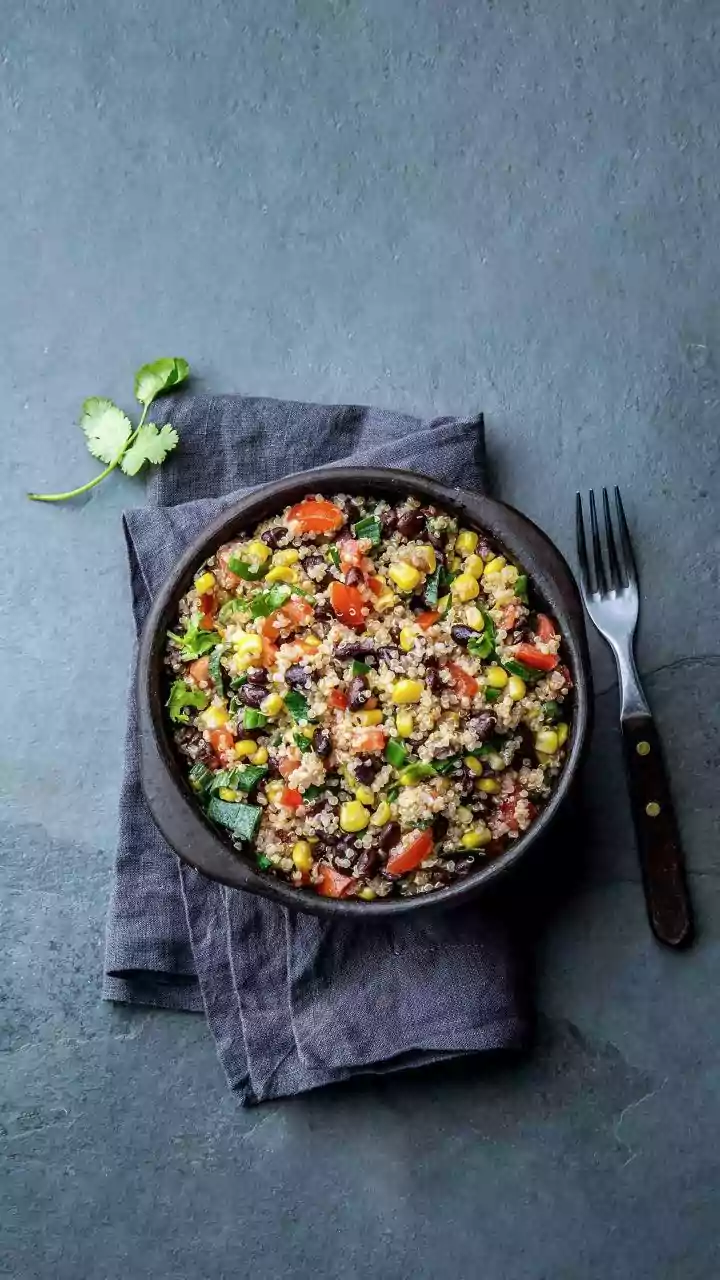
While not primary protein sources on their own, certain nuts, seeds, and grains can significantly contribute to your daily intake. Quinoa is a 'complete protein' and works beautifully as a base for salads and pulao. Nuts like almonds and seeds like pumpkin and chia seeds are not only rich in healthy fats but also add a protein punch when sprinkled over salads, yogurt, or grain bowls. You can also blend them into sauces or dressings. For instance, a pesto made with cottage cheese, kale, and spinach can be a protein_rich sauce for pasta. Even combining different sources, like a chickpea salad with feta cheese, ensures a more complete and satisfying meal.