



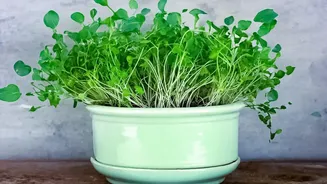

Choosing Herbs That Love the Chennai Climate
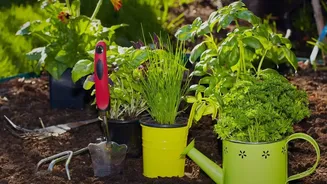
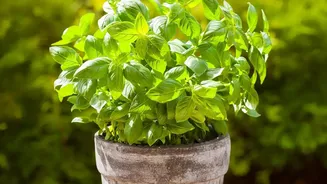
The key to a thriving balcony garden in Chennai is selecting herbs that can handle its characteristic heat and humidity. Hardy, sun-loving herbs are your best bet. Tulsi (Holy Basil) is a must-have, revered for both its culinary and medicinal properties
and its ability to flourish in warm conditions. Mint (Pudina) is another excellent choice; it grows vigorously and is perfect for everything from chutneys to refreshing drinks, though it's best kept in a container to prevent it from taking over. Lemongrass, with its pleasant aroma, thrives in heat and can also help repel mosquitoes. Other resilient options include the curry leaf plant, a staple in South Indian cooking, and hardy chili plants that add a spicy kick to your meals. While herbs like coriander (Dhaniya) can be grown, they often require more attention and may bolt (flower prematurely) in the intense summer heat, making them better suited for the cooler months.
Smart Setups for Maximising Small Spaces
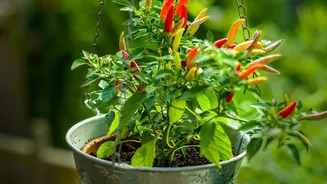
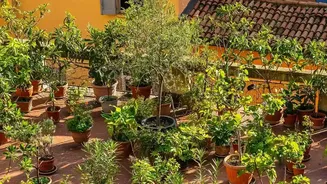
When floor space is at a premium, the only way to go is up. Vertical gardening is the most effective strategy for small balconies. Residents are using tiered or ladder-style plant stands to stack multiple pots in a small footprint. Wall-mounted planters and pocket organisers are also popular for creating a 'living wall' of herbs without occupying any floor area. Another clever solution is using railing planters that hook securely over the balcony edge, which is perfect for trailing herbs or smaller pots. Hanging baskets are also a great way to add greenery at eye-level, ideal for plants like mint or parsley. By thinking vertically, even the narrowest balcony can be transformed into a multi-layered garden.
The Right Foundation: Pots and Soil
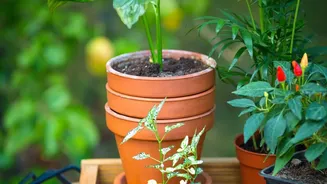
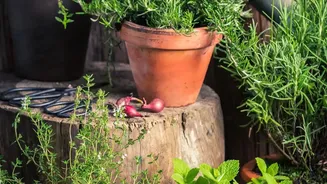
The container and soil you choose are crucial for herb health. Terracotta pots are a fantastic choice for Chennai's climate as their porous nature allows soil to breathe and helps prevent waterlogging, a common issue during the monsoon season. For the soil itself, a well-draining potting mix is essential. Many gardeners create their own blend using a combination of red soil, compost for nutrients, and cocopeat (coir) to help retain moisture without becoming soggy. Adding perlite or coarse sand can further improve drainage. This type of mix ensures that herb roots get the air they need and aren't sitting in water, which can lead to root rot.
Watering and Sunlight Management
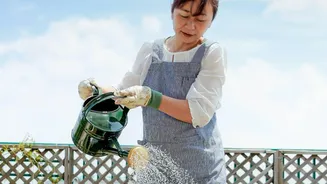
Chennai's weather presents a dual challenge: intense sun and heavy monsoon rains. Most herbs need about four to six hours of sunlight, but the harsh afternoon sun in Chennai can scorch delicate leaves. A common strategy is to place the plants where they receive ample morning sun but are shielded during the hottest part of the day. A small shade cloth can also be a lifesaver. Watering should be done when the top inch of the soil feels dry. During the peak summer months, this might mean watering daily, especially for plants in smaller terracotta pots which dry out quickly. During the monsoon, the focus shifts to preventing overwatering. Ensure every pot has drainage holes and consider moving smaller pots under cover during prolonged downpours to avoid waterlogged soil.
Keeping Pests at Bay Naturally
A productive herb garden is a healthy one. To avoid chemical pesticides, many urban gardeners rely on natural and organic methods. A simple spray made from neem oil, water, and a drop of mild soap is a highly effective, all-purpose solution for common pests like aphids, spider mites, and whiteflies. Planting certain herbs together, known as companion planting, can also naturally deter pests. For instance, the strong scent of mint can repel aphids and flea beetles, while garlic can help keep away root maggots and spider mites. Regularly inspecting your plants for any signs of trouble allows you to act quickly before an infestation takes hold, ensuring your harvest remains fresh and free from unwanted chemicals.