

A Landmark Partnership
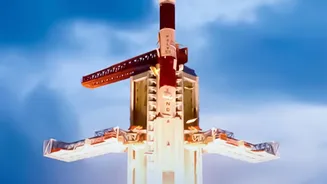
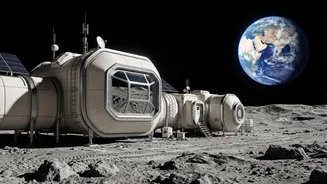
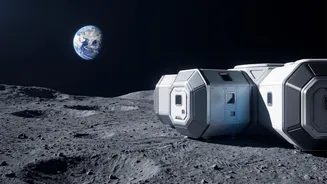
In early August 2026, NASA formally invited the Indian Space Research Organisation (ISRO) to participate in its plan to build a permanent human outpost on the Moon. This invitation builds upon India signing the Artemis Accords in 2023, a US-led framework
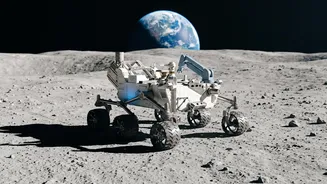
for peaceful and responsible space exploration. By joining the now 70-nation coalition, India has positioned itself as a key partner in humanity's return to the Moon. The proposed Moon Base, located near the resource-rich lunar South Pole, isn't just about planting flags; it's a long-term scientific and residential habitat. This collaboration is a significant step up from previous joint projects like the successful NASA-ISRO Synthetic Aperture Radar (NISAR) satellite, which launched in 2025 to monitor Earth. It signals a shift from Earth observation to deep-space exploration partnership.
The New Universe of Space Jobs
The prospect of a lunar base, and the broader Artemis program, is a massive catalyst for India's burgeoning private space industry. The Indian space economy, already projected to reach $44 billion by 2033, is set for an employment boom. The collaboration will require expertise far beyond traditional government space roles, creating a spectrum of new career opportunities. These won't just be for astronauts and rocket scientists. The demand will ripple across multiple sectors, fuelling job creation for a new generation.
Engineers, Coders, and Tech Experts
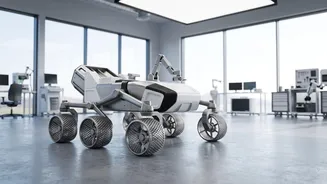
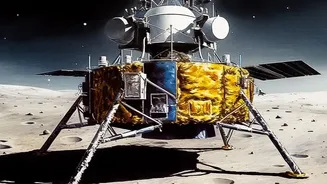
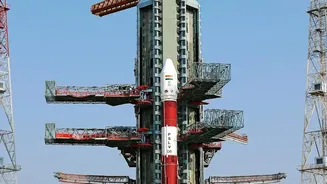
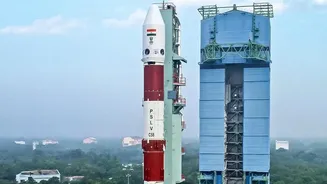
At the forefront will be the demand for highly skilled technical professionals. Aerospace engineers will be needed to design and manufacture components for lunar landers, habitats, and rovers. Launch vehicle integration engineers, a role already in demand thanks to private rocket companies like Skyroot Aerospace and Agnikul Cosmos, will become even more critical. Furthermore, the massive amounts of data sent back from lunar missions will require an army of software engineers, data scientists, and AI specialists to analyse. They will develop algorithms for autonomous navigation, process scientific data, and manage complex mission control systems. Cybersecurity experts will also be essential to protect these valuable assets, both on the ground and in orbit, from digital threats.
The Supporting Ecosystem
A lunar mission of this scale requires a vast support network on Earth, creating jobs that aren't immediately obvious. The commercialisation of space means a greater need for space lawyers and policy advisors to navigate complex international treaties, launch agreements, and intellectual property rights. As India's role grows, so will the need for project managers, supply chain specialists, and logistics experts to coordinate the intricate dance of building and supplying a base on another celestial body. This also extends to education and research, with universities needing to scale up programs to create a steady pipeline of talent. The growth of over 400 space startups in India is already a testament to this expanding ecosystem.
Building for the Future
India's participation in the Moon Base programme is an investment in its technological future. It provides ISRO and Indian companies with access to advanced technologies and the invaluable experience of participating in complex, long-duration space missions. This collaboration allows India to leapfrog in certain areas of technology and develop systems that are interoperable with global space infrastructure. While ISRO has proven its capability with cost-effective missions like Chandrayaan, this partnership integrates India into the very blueprint of humanity's sustained presence beyond Earth. The jobs created will not only build rockets and write code, but will also build India's capacity as a leading, high-tech nation for decades to come.