





The quintessential Indian train journey is an experience of shifting landscapes and vibrant encounters. Yet, for decades, the question of a good, hygienic meal was a gamble. That era is over. Modern apps have revolutionised railway dining.
The End of the Pantry Car Gamble
Long-distance
train travel once meant a limited and often uninspiring menu. Passengers had three choices: pack enough food from home to last the journey, rely on the monotonous and sometimes questionable quality of the pantry car, or risk a frantic purchase from a platform vendor during a brief halt. Each came with its own set of anxieties, from food spoiling to concerns about hygiene. This system offered little variety and even less peace of mind, especially for families, seniors, or those with specific dietary needs like Jain meals. The experience was less about enjoyment and more about sustenance, a hurdle to be overcome during the trip.
How the New System Works
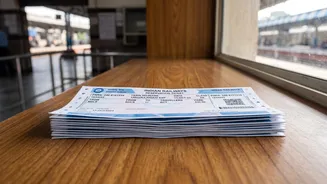
Today’s railway meal service is a seamless digital experience powered by your PNR number. This 10-digit code on your ticket is the key that unlocks a world of culinary options. By entering your PNR into a food delivery app, the system identifies your exact train, coach, and seat number. It then displays a curated list of approved restaurants available at upcoming stations along your route. You simply choose a station, browse the menus, place your order, and make a payment online or opt for cash on delivery. A delivery person then brings your freshly prepared meal directly to your seat when the train stops at the selected station. The entire process is designed for convenience, even on patchy networks.
Your Digital Dining Car: Key Apps
The ecosystem is led by IRCTC's official 'eCatering' platform, accessible via its 'Food on Track' app and website. This is the most reliable starting point, as it guarantees you are ordering from a verified network. IRCTC also partners with several authorised aggregators that expand your choices, including major players like Zomato, Swiggy, Zoop, and RailRestro. These third-party apps are integrated into the official system, ensuring they meet safety and hygiene standards set by the FSSAI and IRCTC. Using these apps provides access to a wider variety of restaurants and user reviews, helping you make an informed decision.
A Menu That Travels With You
The most significant advantage of these apps is the incredible variety they offer. You are no longer limited to a standard thali. Craving a hot pizza for the kids, a comforting bowl of biryani, or a light South Indian breakfast? It's all just a few taps away. These services partner with local restaurants at major junctions, allowing you to sample regional specialities as you travel. You can find everything from Gujarati thalis and Bengali curries to specific dietary meals, including options for diabetics, low-salt diets, and pure vegetarian or Jain food prepared without onion and garlic.
Tips for a Flawless Food Journey
To ensure a smooth experience, a little planning goes a long way. First, place your order at least one to two hours before the train is scheduled to arrive at your chosen delivery station. This gives the restaurant ample time to prepare your meal. Always check the ratings and reviews of the restaurant within the app before ordering. When your food arrives, check that the packaging is sealed and tamper-proof. For payments, using online methods like UPI or cards is often quickest, though cash on delivery is a reliable alternative. Finally, have a backup snack, just in case your train faces unexpected delays or passes through a remote area with fewer service options.