






The End of the Orange Arrival Card
For decades, the final moments of a long-haul flight to Australia were spent scrambling for a pen to fill out the paper Incoming Passenger Card, often called the orange card. This is where travellers declare any food, plant material, or animal products.
However, the Australian government is phasing out this paper system. A new digital solution called the Australia Travel Declaration (ATD) will soon be the standard across all international airports and seaports. Announced in July 2026, this change is part of a major border modernisation project designed to speed up passenger processing, reduce paperwork, and improve security assessments. The rollout is planned in phases over the next 12 to 18 months, meaning for a transitional period, both paper and digital systems will coexist.
How the Digital Declaration Works
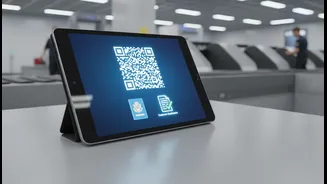
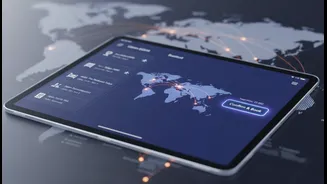
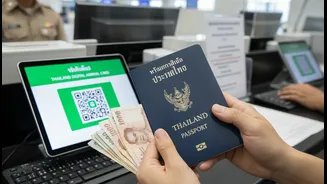
The new system allows eligible travellers to submit their customs and biosecurity information online before they even board their flight. Initially accessible through a web-based form, travellers can complete their declaration up to 72 hours before departure. After submitting the details, they receive a unique QR code. This code, accessible even offline on a smartphone, is then scanned by border officials upon arrival, replacing the need to present a completed paper form. The goal is to make the entire process more efficient and less stressful. While a pilot program has been running successfully with Qantas since late 2024, the nationwide rollout will gradually include all airlines. Travellers should always check the latest entry requirements for their specific arrival airport to see if the digital system is active there.
The Golden Rule: Declare Everything
Whether using the new digital form or the old paper card, the most important rule remains unchanged: declare, declare, declare. Australia's biosecurity laws are among the strictest in the world to protect its unique environment and agriculture from foreign pests and diseases. This means all food items—including commercially packaged snacks, sweets, pickles, and spices that many Indian travellers carry—must be declared. The same goes for wooden items, traditional medicines, or any plant and animal products. Declaring an item does not mean it will be confiscated. It simply means a biosecurity officer will assess it. You will not be penalised for honestly declaring an item, even if it is not allowed into the country. However, failing to declare a risk item can result in significant fines and visa cancellation.
Benefits for Indian Travellers
For the thousands of Indian students, tourists, and families who travel to Australia each year, this digital shift offers significant advantages. The ability to fill out the form in advance reduces inflight hassle and gives travellers time to accurately report what they are carrying, without rushing. This is particularly helpful when unsure about specific food items. The system allows for better data collection ahead of time, which can speed up risk assessments and overall processing for everyone. As airline integration improves, the process is expected to become even more seamless, potentially linking declaration data with passenger and flight information for a fully connected digital travel experience. This modernisation aims to meet passenger expectations for a faster, biometric-enabled border crossing, letting visitors spend less time in queues and more time enjoying their trip.