


The Sahyadris Come Alive
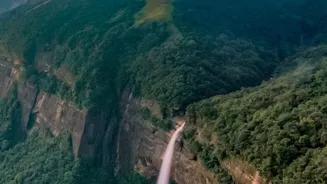
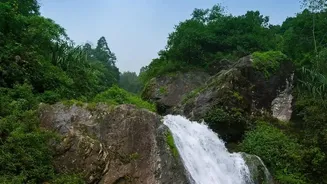
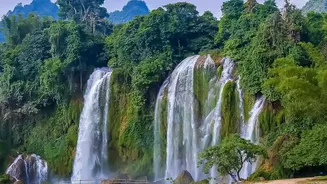
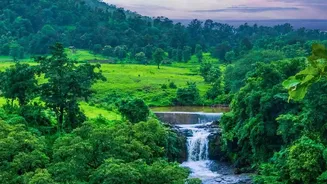
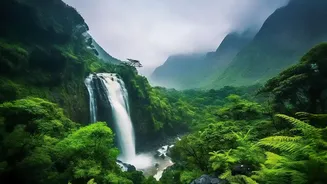
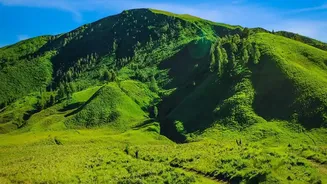
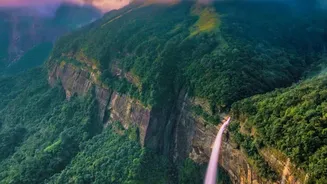
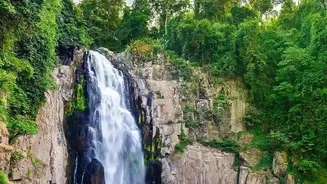
After months of summer heat, the monsoon breathes new life into the Sahyadri mountain range. Dry, brown landscapes turn into an almost electric green, and dormant streams swell into magnificent, roaring waterfalls. For residents of Mumbai, Pune, and surrounding
cities, this natural spectacle is an irresistible call to get out and explore. The season, stretching roughly from June to September, offers a dramatic shift in scenery, with misty peaks, overflowing dams, and cool, fresh air providing a perfect weekend escape. This yearly revival makes destinations across the state a top draw for nature lovers, photographers, and anyone looking for a refreshing break from urban life.
Popular Spots on Every Traveller's List
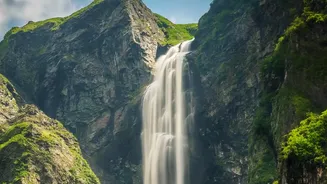
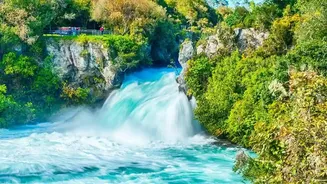
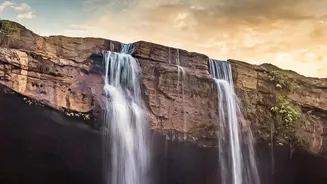
Certain names immediately come to mind when planning a monsoon trip. The Lonavala-Khandala belt is perhaps the most famous, home to the iconic Bhushi Dam, where water cascading over the steps creates a massive public water park, and the scenic Kune Falls. Further afield, Malshej Ghat becomes a driver's paradise, with numerous waterfalls pouring directly onto the winding roads amidst thick fog. Bhandardara is another gem, boasting the impressive Randha Falls, where the Pravara River plunges into a deep gorge, and the Umbrella Falls, which appear when the Wilson Dam overflows. Near Karjat, Bhivpuri waterfall is a popular and accessible option, often reached by a short trek. These spots are the epicentre of monsoon tourism, drawing large crowds eager to witness their raw power and beauty.
A Reality Check: Know Before You Go
The beauty of the monsoon comes with significant, often underestimated, dangers. In response to a history of tragic accidents, district authorities across Maharashtra impose strict safety regulations each year. Flash floods can turn a gentle stream into a deadly torrent in minutes, and slippery rocks are a constant hazard. As a result, many popular tourist spots, including Devkund Waterfall, Pandavkada Falls, and several points in Lonavala, often face prohibitory orders under Section 163 of the BNSS (formerly Section 144 CrPC). These orders typically ban entering the water, sitting directly under waterfalls, and taking risky selfies at cliff edges. These rules can be dynamic; for instance, restrictions in Lonavala were reportedly revoked in mid-July 2026 due to a spell of lighter rain, but they can be reinstated just as quickly. Before you travel, checking the latest advisories from the local police or district collector’s office is not just a recommendation—it's essential.
Your Monsoon Safety Checklist
Enjoying the waterfalls responsibly ensures your trip is memorable for the right reasons. Authorities and mountaineering federations urge all visitors to prioritize safety over stunts. Here are some essential guidelines to follow: Always check for active prohibitory orders for your destination before leaving home. Never enter fast-flowing water, regardless of how shallow it appears. Wear sturdy footwear with good grip, as trails and rocks become extremely slippery. Avoid standing directly beneath waterfalls, as the force of the water and falling debris can be dangerous. Pack a first-aid kit, waterproof covers for electronics, and inform friends or family of your itinerary. For less-travelled treks, hiring a local guide who understands the terrain and weather patterns is a wise investment. Finally, never consume alcohol at these sites, as it impairs judgment in an already risky environment.
Exploring Beyond the Crowds
While the famous waterfalls attract the biggest crowds, Maharashtra has dozens of lesser-known cascades that offer a more serene experience. Exploring spots like Dabhosa Waterfall in Palghar district or the falls along the Tamhini Ghat road can be a rewarding alternative to the packed tourist hubs. Choosing these quieter locations not only provides a different perspective on the region's beauty but also helps reduce the strain on the most popular sites. Responsible tourism is key—carry back everything you bring, especially plastic waste, to preserve the natural environment for everyone. A little research can lead you to stunning locations without the chaotic crowds, making your monsoon adventure both safe and sustainable.