



From Backyard Nuisance to Superfood
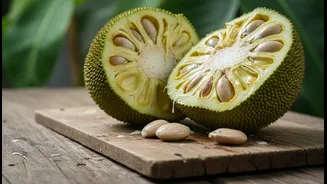
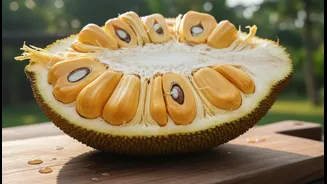
Not long ago, jackfruit was so abundant in states like Kerala that much of it went to waste. Often seen as a 'poor man's fruit', it was a common sight but rarely celebrated outside of traditional preparations. Fast forward to today, and the narrative
has completely flipped. This ancient fruit, native to South India, is now being hailed as a 'superfood'. Its journey from a neglected backyard staple to a celebrated ingredient is driven by a perfect storm of global food trends and a renewed appreciation for local, sustainable produce. In 2018, Kerala even declared jackfruit its official state fruit, marking a significant shift in its cultural standing.
The Plant-Based Revolution's Unlikely Hero
A primary driver of kathal’s revival is the explosive growth of veganism and plant-based eating, both globally and within India. When unripe, jackfruit has a neutral flavour and a dense, fibrous texture that remarkably mimics shredded meat. This unique quality makes it an ideal, whole-food alternative to processed soy or gluten-based products. Chefs and home cooks are using its stringy consistency to create convincing vegetarian versions of pulled pork tacos, burgers, and kebabs. Unlike many meat substitutes, jackfruit is a natural fruit, appealing to consumers seeking minimally processed foods.
More Than Just a Meat Mimic
While its texture is its main claim to fame in the vegan world, the nutritional profile of jackfruit is another key part of its appeal. It is packed with essential nutrients, including a significant amount of Vitamin C, potassium, and dietary fibre. These components are linked to numerous health benefits, such as boosting immunity, promoting heart health by regulating blood pressure, and aiding digestion. The fruit is also a source of antioxidants like carotenoids and flavonoids, which help combat inflammation. Though not a high-protein food like meat, its all-around nutritional density makes it a valuable and healthy addition to any diet.
Chefs Lead the Culinary Charge
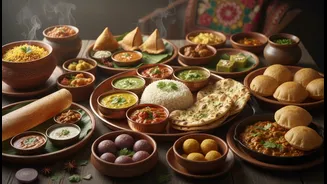
Indian chefs are at the forefront of this revival, creatively reinterpreting kathal for the modern palate. While traditional dishes like kathal ki sabzi and biryani remain popular, restaurants are now experimenting with new forms. You can find jackfruit cutlets, tacos, and even jackfruit flour used to make burger patties. Brands like Goa-based Wakao Foods, India's first jackfruit meat brand, are making it easier for people to cook with jackfruit at home by offering ready-to-cook, vacuum-packed options. This innovation is helping to reintroduce the fruit to a new generation of diners who are curious about both global trends and traditional Indian ingredients.
The Future is Fresh and Local
The renewed interest in kathal is more than a fleeting food trend; it represents a larger shift towards valuing indigenous crops. Jackfruit trees are resilient, drought-resistant, and can produce hundreds of fruits per season with minimal maintenance, making them an incredibly sustainable food source. As consumers become more conscious of the environmental impact of their food choices, produce like jackfruit offers a compelling solution. By embracing this versatile fruit, India is not only tapping into a booming global market but also celebrating its own rich agricultural heritage, turning what was once wasted into a valuable resource.