



The Unseen Enemy: Root Rot
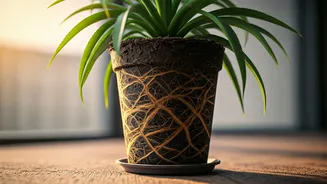
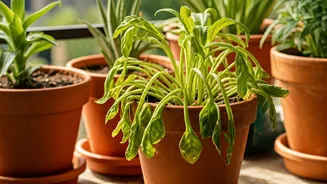
When you water a plant in a pot without drainage holes, the excess has nowhere to go. It pools at the bottom, creating a waterlogged bog. Plant roots need to breathe air just as much as they need to absorb water. When they are submerged in stagnant water,
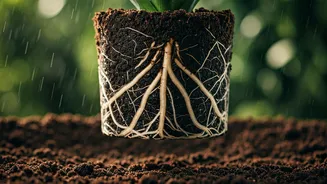
they suffocate and begin to decay. This condition is called root rot. The signs above ground—wilting, yellowing leaves—often appear only after significant damage has occurred below the surface. You might think a wilting plant needs more water, but in cases of root rot, that's the very thing that will finish it off. Healthy roots are firm and white or light-coloured; rotted roots become dark, mushy, and may even smell unpleasant.
Anatomy of a Healthy Pot
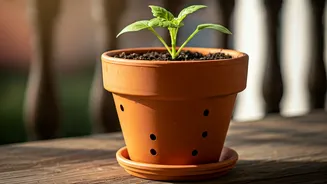
The solution is simple: every pot must have a hole. This allows excess water to escape, preventing waterlogging and enabling air to circulate around the roots. This single feature is more critical than the pot's colour, material, or style. For years, a popular myth suggested that a layer of gravel or broken pottery at the bottom of a hole-less pot would improve drainage. However, this is not a reliable long-term solution and can actually worsen the problem by raising the waterlogged zone closer to the plant's roots. The best practice is to use a pot with at least one hole and a separate saucer to catch the runoff. Just be sure to empty the saucer after watering so the plant isn't sitting in a puddle.
How to Add Drainage Holes Yourself
Found the perfect decorative pot, but it's missing this crucial feature? Don't despair. With the right tools, you can easily add drainage holes. For plastic pots, a standard drill bit will work just fine. For harder materials like terracotta or ceramic, you'll need a more specialised bit. A masonry drill bit is effective for unglazed terracotta. For glazed ceramic pots, a diamond-tipped hole saw bit is the best choice to avoid cracking. The key is to apply steady, gentle pressure and let the drill do the work. To prevent the bit from slipping on a smooth surface, you can place a piece of masking tape on the spot you intend to drill. Always wear safety glasses.
It's Not Just the Hole—Soil Matters Too
Drainage holes are the first step, but the soil you use is equally important for creating a healthy root environment. Standard garden soil is too dense for containers; it compacts easily, drains poorly, and can become waterlogged even with holes. A proper potting mix is essential. For Indian balconies, a lightweight and airy mix is ideal. A popular and effective combination includes cocopeat for moisture retention, vermicompost for nutrition, and perlite or coarse river sand to ensure excellent drainage. A good starting ratio is 50% cocopeat, 30% compost, and 20% perlite or sand. This blend holds enough moisture for hot summer days but allows excess water to flow through freely, especially during the monsoon season.
Smart Watering for Balcony Gardens
With proper drainage and soil in place, your watering strategy becomes much more forgiving. The best method is to water thoroughly until you see it running out of the drainage hole. This ensures the entire root ball is hydrated and helps flush out excess salts from tap water and fertilisers that can build up over time. Then, allow the top few inches of the soil to dry out before watering again. A simple finger test is often the most reliable guide: if you insert your finger into the soil and it comes out dry, it's time to water. This prevents the constant dampness that encourages fungal diseases and ensures your plant's roots get the cycle of water and air they need to thrive.