


The urge to escape the city for a couple of days is a familiar feeling for any metro dweller. Now, thanks to a nationwide infrastructure overhaul, that weekend escape is no longer a logistical headache but a spontaneous, enjoyable reality.
The Expressway Effect: More Than Just Speed
India's rapidly
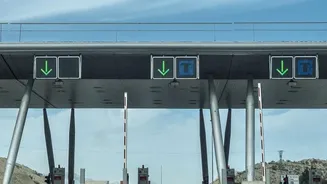
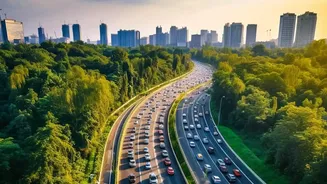
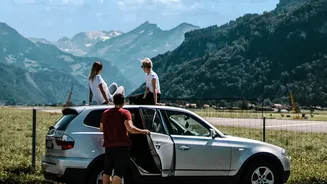
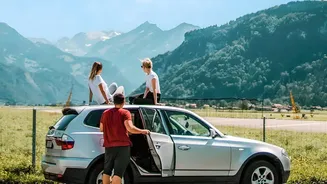
expanding network of expressways is doing more than just cutting travel time; it is fundamentally changing travel behaviour. What was once a gruelling all-day drive, riddled with traffic and uncertainty, is now a smooth, predictable journey of a few hours. This reliability is the key driver behind the boom in short getaways. When a trip to the hills or a coastal town is reduced from an eight-hour ordeal to a three-hour cruise, it transforms from a major annual plan into a casual weekend option. This shift is being seen across the country, as new highways make destinations more accessible, encouraging more frequent, shorter trips. Data shows a significant spike in trips under two days, with many travellers now taking four to six short breaks a year instead of one long one.
New Corridors From Delhi and Mumbai
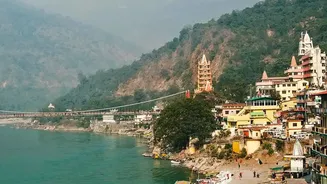
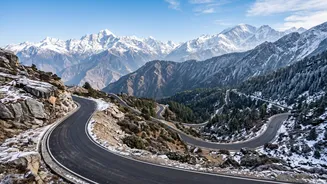
For residents of the national capital, the mountains are now closer than ever. The Delhi-Dehradun Expressway has slashed the journey from over six hours to just 2.5 hours, making destinations like Rishikesh and Mussoorie genuine weekend contenders. Similarly, the upcoming Delhi-Haridwar route is expected to take only 90 minutes. Further west, the Delhi-Mumbai Expressway is a game-changer, not only for the 12-hour connectivity it promises between the two metros but for the access it opens up to cities like Jaipur and Ajmer. For Mumbaikars, the completed sections of this expressway, along with the Mumbai-Nagpur Samruddhi Mahamarg and upgrades to the Goa highway, are making getaways to the Konkan coast and the ghats faster and more appealing.
Southern Routes to Tranquility
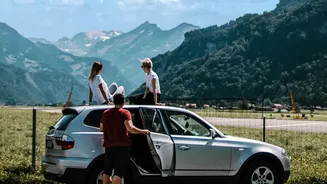
The transformation is just as pronounced in the south. The Bengaluru-Mysuru Expressway has been a revelation, cutting a chaotic three-hour drive down to a breezy 75-90 minutes. This has not only boosted tourism to Mysuru but also made onward journeys to Coorg, Wayanad, and Ooty far easier for Bengaluru's tech-heavy population. This improved connectivity allows for the 'drive-and-stay' concept to flourish, where the journey itself becomes part of the experience. The development of other key routes, like the Bengaluru-Chennai and Mysore-Kushalnagar corridors, will further integrate the region, connecting major economic hubs with popular leisure destinations.
A Ripple Effect on Local Economies
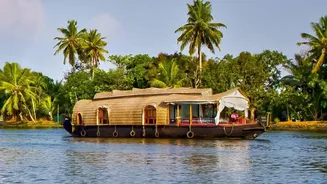
This surge in road travel is creating a powerful economic ripple effect. Improved access directly translates into a boost for local tourism and hospitality sectors. Destinations that were once considered too far for a weekend trip are now seeing a boom in homestays, boutique hotels, and cafes catering to the new wave of road-trippers. This trend is particularly strong in Tier-2 and Tier-3 cities, which are experiencing a surge in bookings as travellers seek authentic, less crowded experiences. The development of roadside amenities—from food courts to fuel stations—also creates employment and supports local communities along these national highways, ensuring the benefits of infrastructure growth are widely distributed.