

Understanding Late-Monsoon Rafting
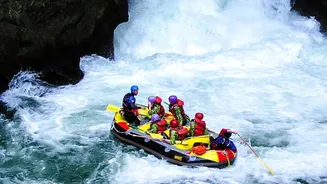
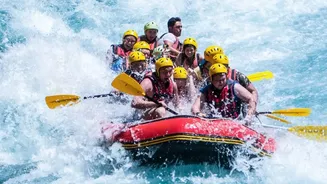
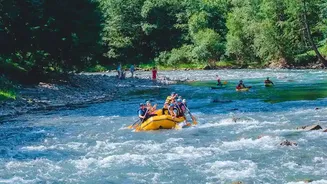
The late-monsoon period, typically from mid-September onwards, is a unique time for rafting in Rishikesh. The Ganga is swollen with monsoon rains, making the rapids faster and more powerful. While rafting is generally suspended during the peak monsoon months
of July and August for safety reasons, operations resume once water levels stabilize. A joint inspection team regularly assesses the river's flow and rapids before giving the green light. For first-timers, this means you'll experience the river at its most exciting, but it also means that choosing the right operator and listening to your guide is more important than ever.
Choose a Certified Operator
Your safety on the water depends almost entirely on the quality of your rafting operator. Don't be tempted by the cheapest roadside offer. A reputable company will be registered with the Uttarakhand Tourism Department and have certified guides trained in rescue, CPR, and first aid. They provide high-quality, well-maintained equipment, including life jackets (Personal Flotation Devices or PFDs) and helmets, which are mandatory. Look for operators with positive online reviews and a proven safety record. A certified operator ensures you are covered by insurance and have expert support in case of an emergency.
Pick the Right Stretch for Your Skill Level
The Ganges near Rishikesh offers several stretches with varying difficulty, graded from I to V. For a first-timer, especially in high-water conditions, sticking to the easier stretches is crucial. The Brahmpuri to Rishikesh run (around 9 km) features Grade I and II rapids and is perfect for beginners and even families. The Shivpuri to Rishikesh stretch (16 km) is the most popular, offering a good mix of calm water and exciting Grade II and III rapids like 'Roller Coaster' and 'Double Trouble'. Stretches like Marine Drive and Kaudiyala have more intense Grade III, IV, and even V rapids and are best left for experienced rafters.
Dressing for Success (and Safety)
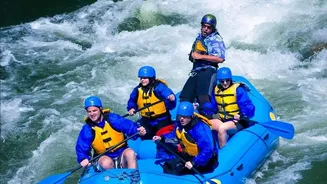
What you wear can significantly impact your comfort and safety. The golden rule is to avoid cotton, which gets heavy and cold when wet. Instead, opt for quick-drying synthetic materials like polyester or nylon. A T-shirt and shorts or leggings are ideal. Secure footwear is essential; choose river sandals with straps or old trainers, but absolutely no flip-flops. Even in September, the water can be chilly, so a full-sleeve top can provide warmth and sun protection. Always wear the helmet and life jacket provided by your operator, ensuring they fit snugly.
Rafting on a Budget
A thrilling day on the Ganges doesn't have to break the bank. Prices for rafting are generally regulated and depend on the length of the stretch. A short, beginner-friendly trip from Brahmpuri can cost as little as ₹600 per person. The popular 16 km Shivpuri stretch typically costs between ₹800 and ₹1200. These prices usually include your guide, all necessary safety equipment, and transport to the starting point. Booking directly with a registered company rather than a street agent can sometimes offer better rates and ensures your money is going to a legitimate operator. Some bargaining may be possible, especially if you are in a larger group.
The Pre-Rafting Briefing is Non-Negotiable
Before you even touch the water, your guide will conduct a comprehensive safety briefing. Pay close attention. You will learn basic paddling commands, how to position yourself securely in the raft, and what to do if you fall overboard. One of the most important things to remember is not to panic. Your life jacket is designed to keep you afloat. Your guide will explain how to float on your back with your feet pointing downstream to fend off rocks. Trust their instructions; they are experts on the river's currents and will ensure a quick recovery.