





The Foundation of Your Rights
Navigating air travel in India comes with a set of protections guaranteed by the Directorate General of Civil Aviation (DGCA). These aren't just airline suggestions; they are legally binding rules outlined in the Civil Aviation Requirement (CAR), Section
3, Series M, Part IV. This document, often simplified into the Passenger Charter by the Ministry of Civil Aviation, is the cornerstone of your rights when things go wrong. It applies to all airlines operating flights to, from, or within India. The rules cover three main scenarios: flight delays, cancellations, and being denied boarding, often due to overbooking. Understanding this framework is the first step to ensuring you receive what you're entitled to.
Decoding Delay Entitlements
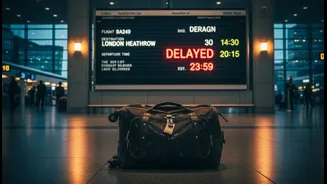
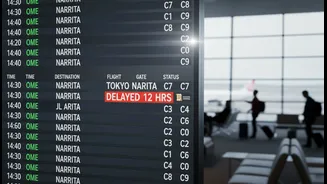
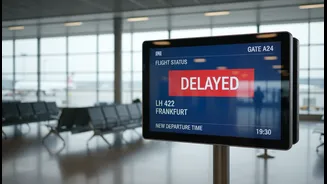
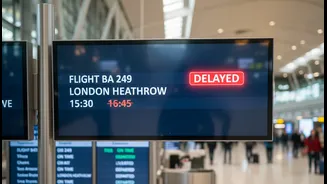
For delays, your rights are about care rather than cash compensation. If your flight is delayed, airlines are obligated to provide you with assistance. For delays of two hours or more, you are entitled to free meals and refreshments at the airport. If a delay extends overnight or for more than six hours on a flight scheduled between 8 p.m. and 3 a.m., the airline must provide you with hotel accommodation and transport. Should a domestic flight be delayed by more than six hours, you have a choice: the airline must either offer you an alternative flight leaving within six hours or give you a full refund on your ticket. It's important to note that direct financial compensation for the inconvenience of a delay is generally not part of the Indian regulations, unlike some international laws.
When a Cancellation Occurs
If your flight is cancelled, the airline must offer you a choice between a full refund of your ticket or an alternative flight. The key element that triggers financial compensation is how much notice you were given. If the airline informs you of the cancellation less than 24 hours before departure, you are entitled to cash compensation in addition to your refund or rebooking. This compensation can be up to ₹10,000, depending on the block time of your original flight. However, if you are informed between 24 hours and two weeks before departure and the airline arranges an alternative flight that is not significantly different from your original timing, compensation may not apply. Recent DGCA changes also mandate faster refunds, requiring airlines to process credit card refunds within seven days and making them directly responsible for refunds even on tickets booked via agents.
The Overbooking Conundrum
Denied boarding due to overbooking is where passengers have the strongest rights to significant compensation. Overbooking is a legal practice in India, but if you are involuntarily bumped from a flight for which you have a confirmed ticket and checked in on time, you are well-protected. Airlines must first ask for volunteers to give up their seats in exchange for benefits. If you are involuntarily denied boarding, compensation can be up to 400% of your one-way base fare plus fuel charges, with a maximum cap of ₹20,000. The exact amount depends on how long it takes the airline to get you on a new flight. You are also entitled to a full refund of your ticket if you choose not to accept the alternative flight offered.
The Airline's Escape Clause
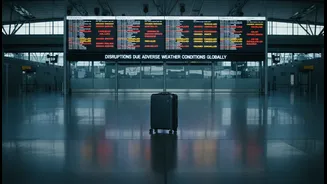
The most significant limit on these protections is the 'force majeure' or 'extraordinary circumstances' clause. Airlines are exempt from paying cash compensation for delays and cancellations caused by events beyond their control. This includes things like extreme weather, political instability, security threats, and decisions by Air Traffic Control. While this exempts them from compensation, it does not absolve them of all duties. Even in a force majeure situation, you are still entitled to a full refund or an alternative flight if your flight is cancelled. Airlines must also provide meals and refreshments during long waits, regardless of the cause.
How to Claim Your Rights
Knowing your rights is only half the battle; you also need to know how to claim them. The first step is always to approach the airline's staff at the airport or contact their customer service. If you do not get a satisfactory resolution, you should escalate the issue. Keep all documentation, including your boarding pass, receipts for expenses, and any communication from the airline. Your next step is to file a formal complaint through the government's AirSewa portal or app, which is monitored by the DGCA. For unresolved issues, you can also approach a consumer court, as failure to provide these services is considered a 'deficiency of service' under the Consumer Protection Act.