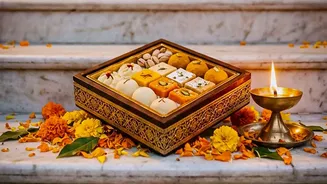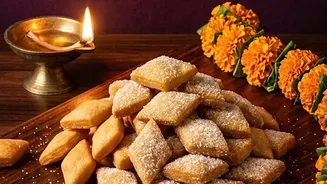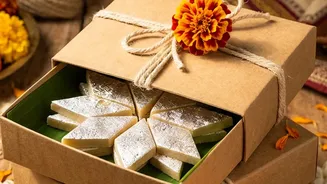


Diwali is synonymous with the joy of sharing delicious, decadent sweets. But as we become more health-conscious, the festive season can bring worries about sugar and fat. The good news? You can still enjoy every bite with these homemade treats.
The Power of Homemade Mithai
The first
step towards a healthier Diwali is taking control of your ingredients. Store-bought sweets can often contain high amounts of refined sugar, maida, and unhealthy fats to extend shelf life. When you make mithai at home, you decide what goes in. This doesn't mean sacrificing flavour; it means making smart, delicious choices. Cooking at home allows you to reconnect with traditional recipes while giving them a modern, mindful twist that suits your family's well-being. You can control portion sizes, ensure freshness, and fill your home with the authentic aromas of the festival.
Rethink Your Sweeteners
Refined white sugar offers empty calories and causes sharp spikes in blood sugar. Thankfully, Indian kitchens have a rich history of using natural alternatives that provide sweetness along with nutrients. Dates are a fantastic option, providing natural sweetness, fibre, and minerals; they work wonderfully as a binding agent in ladoos and barfis. Jaggery (gur), an unrefined cane sugar, contains iron and has a lower glycemic impact than white sugar, lending a rich, caramel-like flavour to sweets. Other great options include coconut sugar, date syrup, and stevia for those looking for zero-calorie sweetness. While these are healthier, they are still sugars, so mindful portions remain key.
Choose Better Flours and Fats
Many traditional sweets use refined all-purpose flour (maida), which lacks fibre. An easy switch is to use whole wheat flour (atta), which works well in treats like atta ladoo and halwa. You can also experiment with nutrient-dense millet flours like ragi (finger millet), bajra, and jowar, which add fibre and a unique, earthy flavour. Almond and coconut flours are other excellent gluten-free alternatives rich in healthy fats and nutrients. When it comes to fats, use traditional ghee in moderation. Its high smoke point makes it stable for cooking, but remember to measure your usage instead of pouring freely.
Bake, Don't Fry
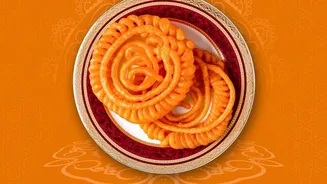
The cooking method can make a huge difference in the calorie and fat content of your festive snacks. Deep-frying, while delicious, causes food to absorb a significant amount of oil. This Diwali, consider baking your snacks instead. Baked versions of treats like chaklis, papdis, and even samosas can be just as crispy and satisfying with a fraction of the oil. Roasting and air-frying are other excellent techniques that deliver a delightful crunch without the heaviness of deep fried foods. For example, you can roast nuts and makhana for a light, flavourful snack.
Load Up on Nuts, Seeds, and Fruits
Boost the nutritional value of your sweets by incorporating plenty of nuts, seeds, and dried fruits. Almonds, walnuts, pistachios, and cashews add healthy fats, protein, texture, and flavour. Seeds like flax, chia, pumpkin, and sesame contribute omega-3 fatty acids and fibre. Sweets like anjeer barfi (fig fudge) or dry fruit ladoos are prime examples of treats that are naturally sweet and packed with goodness. You can also add grated apple or fresh pomegranate seeds to dishes like kheer or shrikhand for natural sweetness and a fresh twist.
Mindful Twists on Classic Recipes
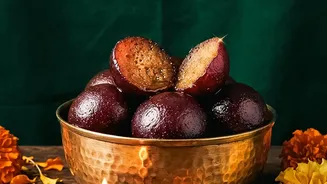
You don't need to invent entirely new recipes. Simply adapt your favourites. For ladoos, try a base of ragi or oats combined with dates and nuts. For barfi, swap some of the refined flour with besan or oat flour and sweeten it with jaggery. Instead of a traditional rice based kheer , experiment with quinoa , broken wheat (dalia) , or millets cooked in milk and sweetened with a touch of date syrup . Even a classic like gulab jamun can be adapted using sweet potato and oat flour instead of mawa and maida .