



The Core Facts: What is Agri Intex?
Agri Intex is one of India's largest and most influential agricultural trade fairs, held annually in Coimbatore. Organized by the Coimbatore District Small Industries Association (CODISSIA), the 24th edition in July 2026 spans five days at the vast CODISSIA Trade
Fair Complex. The event brings together hundreds of exhibitors—from major multinational corporations to local innovators—and attracts over 100,000 visitors, including farmers, entrepreneurs, researchers, and policymakers. Its primary goal is to showcase the latest advancements in everything from heavy farm machinery and irrigation to smart farming technology, dairy farming, poultry, and food processing. With international participants from countries like the US, Japan, and Italy, it serves as a global window to the future of agriculture.
The Practical Impact: Drones, Demos, and Deals
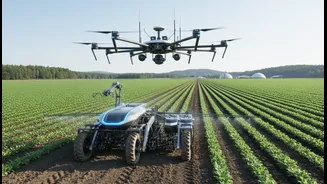
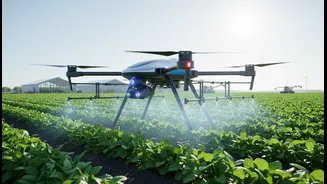
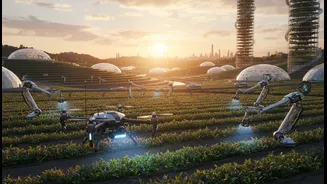
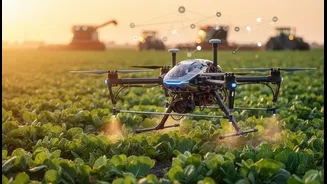
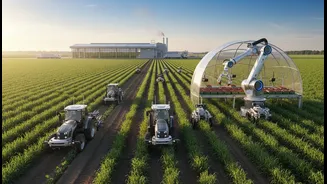
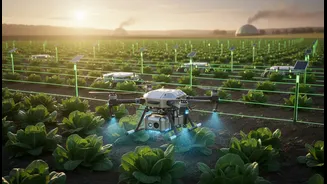
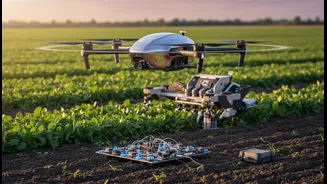
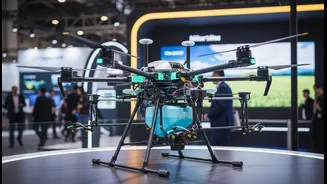
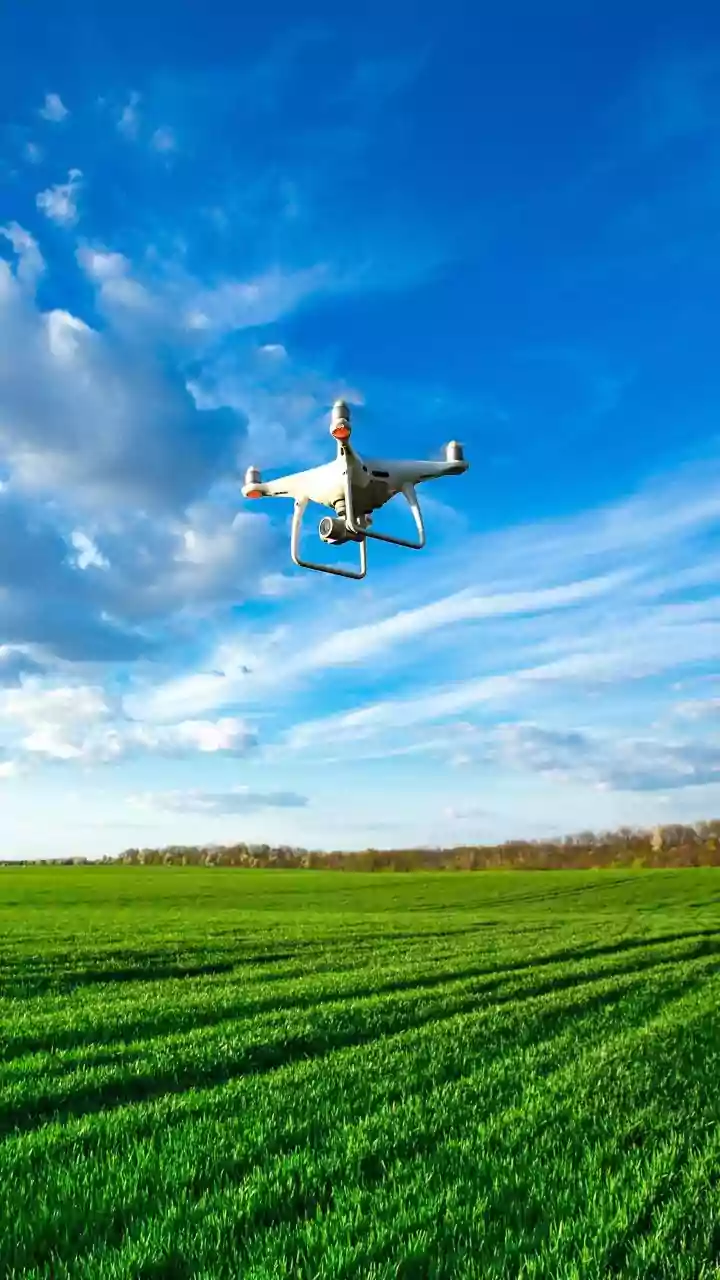
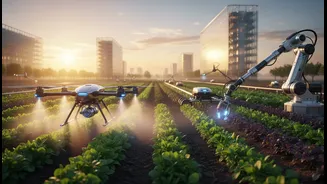
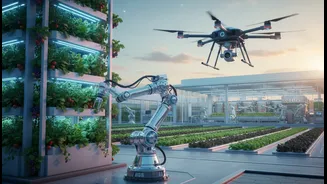
For the thousands of farmers who attend, Agri Intex is far more than a simple exhibition; it's a crucial learning and business platform. This year's event highlights the rapid shift towards automation and precision farming. Live demonstrations of drone sprayers, automated harvesters, and AI-powered farming tools offer a tangible glimpse into modern agriculture. One farmer from Salem noted the massive advantage of finding all necessary equipment and inputs under a single roof. Beyond big machinery, the expo offers practical solutions for farms of all sizes. Exhibitors showcase everything from climate-adapted saplings and high-quality organic fertilisers to cost-effective solar water pumps. Specialised zones for poultry, dairy, and horticulture provide focused insights, while seminars led by experts address pressing issues like water conservation and post-harvest management. For many, it's a one-stop-shop for knowledge, networking, and purchasing, with past editions generating trade turnover exceeding ₹1,000 million.
The Bigger Picture: Climate Change and Policy
Agri Intex is not just about technology; it's a forum for critical conversations. At the 2026 inaugural session, agricultural experts voiced serious concerns about climate change and the El Nino effect, cautioning that a significant rainfall shortage is expected over the next year. This has pushed the conversation towards the urgent need for climate-resilient practices. Leaders from Tamil Nadu Agricultural University (TNAU) and other institutions advocated strongly for wider adoption of precision farming, automated micro-irrigation, and other techniques to make farming more sustainable with less water. The event also addresses systemic challenges. With labour shortages being a persistent issue, mechanization is positioned as a key solution. Furthermore, discussions touched upon the need for better policy frameworks to help Indian farmers compete globally and the importance of cutting down the country's high post-harvest losses, which currently stand at 30-40%.
The Remaining Questions for Indian Agriculture
While the innovations on display are impressive, they also raise important questions. The first and most critical is accessibility. How can the small and marginal farmers who form the backbone of Indian agriculture afford this new, often expensive, technology? While some solutions like multipurpose electric vehicles are designed for smaller farms, bridging the affordability gap remains a major hurdle. The second question revolves around implementation. Adopting new technology requires not just capital but also knowledge and training. As farming becomes more mechanised and data-driven, how will the agricultural workforce be upskilled to manage and maintain these advanced systems? Finally, there's the question of policy follow-through. The experts at Agri Intex have identified the problems and proposed solutions, but will these discussions translate into tangible government action and structural reforms that support a modern, resilient, and profitable agricultural sector for all?