


The Daily Discard Dilemma
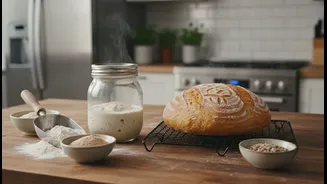
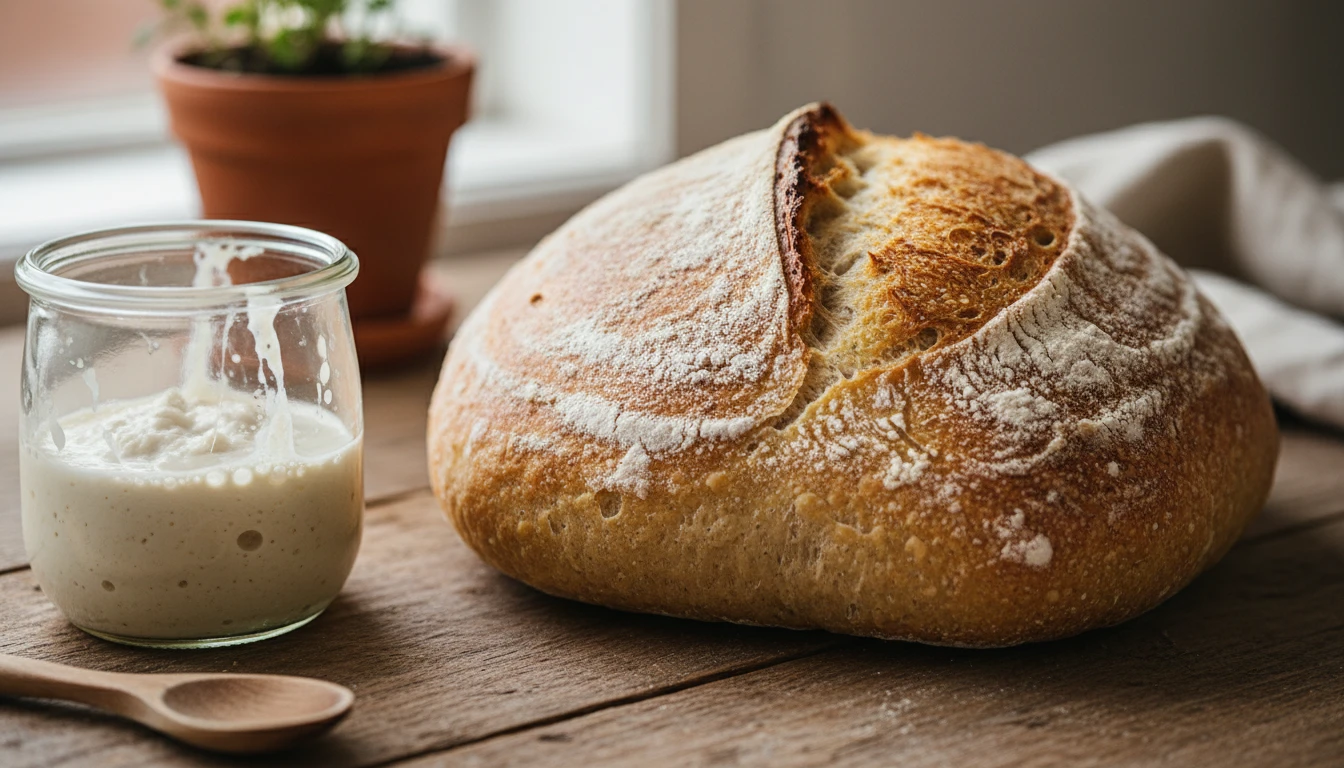
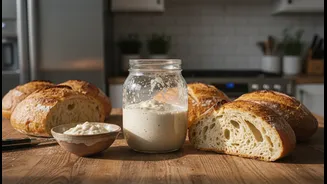
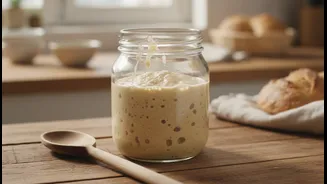
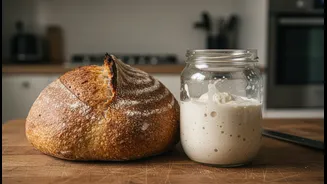
Anyone who maintains a sourdough starter knows the routine. To keep the wild yeast and bacteria culture thriving, it needs regular 'feedings' of flour and water. Before each feeding, a portion of the starter must be removed, or 'discarded', to keep the volume
manageable. For years, this tangy, inactive batter was often simply thrown away. But for a new generation of bakers, tossing out perfectly good fermented flour and water feels wasteful, especially when food costs are rising. This has led to a fundamental shift in perspective: the discard is not waste, but a versatile ingredient waiting for a purpose.
A Recipe for Resourcefulness
The commitment to using sourdough discard aligns perfectly with the growing zero-waste movement, particularly among urban millennials in India. This demographic shows a strong preference for sustainable food choices and is more inclined to adopt practices that reduce their environmental impact. Using discard is a tangible, everyday action that combats food waste directly in the kitchen. It’s a philosophy that combines environmental consciousness with thrift and creativity, turning what was once considered a problem into a culinary opportunity. This trend is less about deprivation and more about resourceful, intelligent cooking that makes the most of every ingredient.
Beyond Crackers and Pancakes
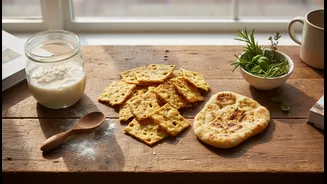
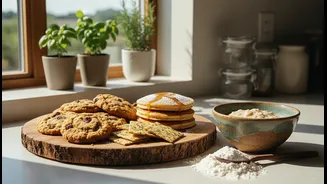
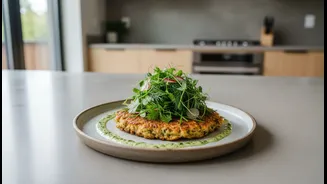
While sourdough discard crackers and pancakes are popular and delicious starting points, the creativity doesn't stop there. Home cooks are now using the discard to add a complex, tangy flavour to a surprisingly wide array of dishes. Imagine crispy, savoury scallion pancakes, tender pizza crusts, fluffy English muffins, and even rich chocolate cakes, all getting a flavour boost from discard. It’s being used to create batters for fried chicken, bases for granola, and binders for veggie fritters. Some bakers even add it to pasta dough, making everything from homemade tortellini to ruffled mafaldine. This culinary experimentation transforms a simple byproduct into a secret ingredient that enhances texture and taste.
The Indian Kitchen Adaptation
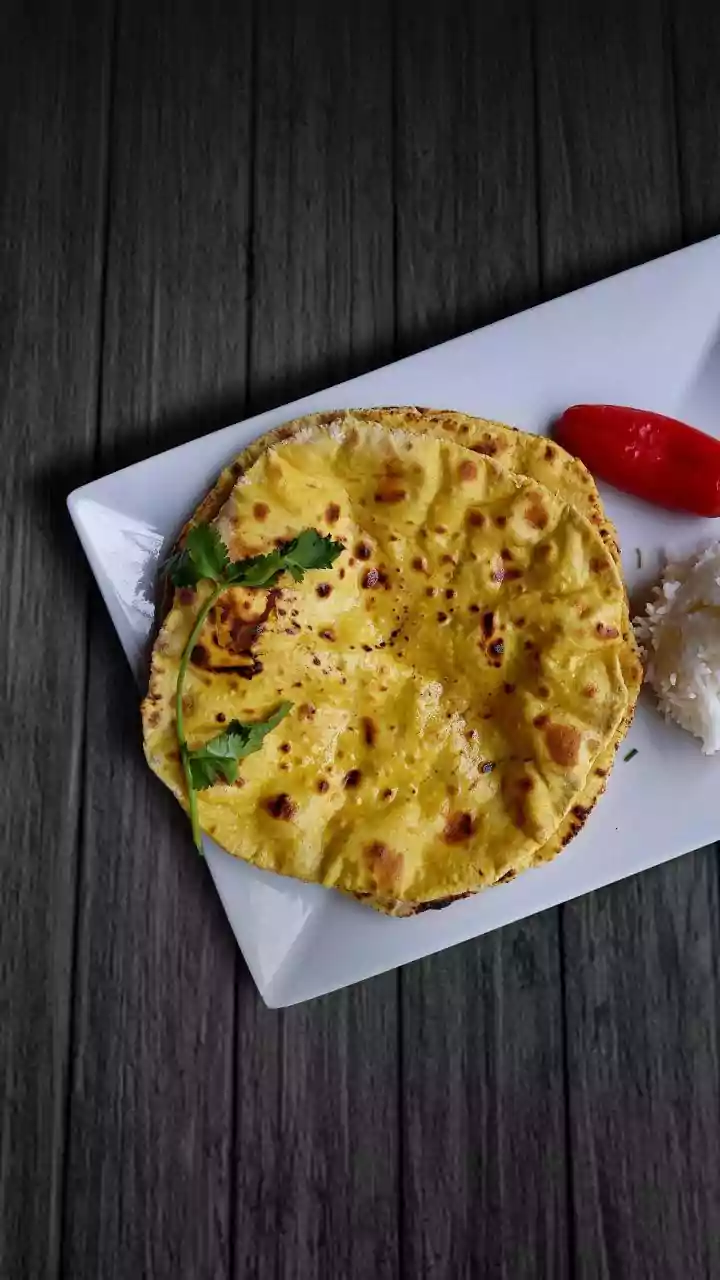
In India, the sourdough trend has found a natural home, partly because of a cultural familiarity with fermented foods like idli and dhokla. Urban bakers are not just replicating Western recipes; they are innovating. The tangy discard is being incorporated into local dishes, perhaps used to make a new kind of cheela or as a base for savoury flatbreads with Indian spices. The home baking boom, which gained significant momentum during the pandemic, has created a community of knowledgeable and experimental cooks. Social media platforms are buzzing with shared tips and localized recipes, creating a vibrant ecosystem where global trends are given a distinctively Indian twist.
A Symbol of Modern Cooking
Ultimately, the sourdough discard trend is more than just a collection of recipes. It represents a broader shift in how younger, urban generations approach food. It is mindful, resourceful, and community-oriented. This movement is about valuing ingredients, understanding processes, and making conscious choices that align with personal and environmental values. It’s a testament to the idea that a small, thoughtful act in the kitchen — like saving your starter discard — can be part of a larger, positive change. It’s cooking that is not only delicious and economical but also deeply satisfying on a philosophical level.