




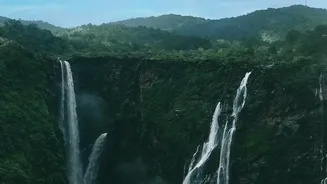

The New Monsoon Rush
For years, Indian travellers followed a predictable calendar: mountains in the summer and beaches in the winter, with the monsoon treated as a quiet gap. That pattern is officially changing. Recent travel data shows that the monsoon is rapidly becoming
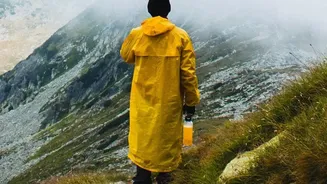
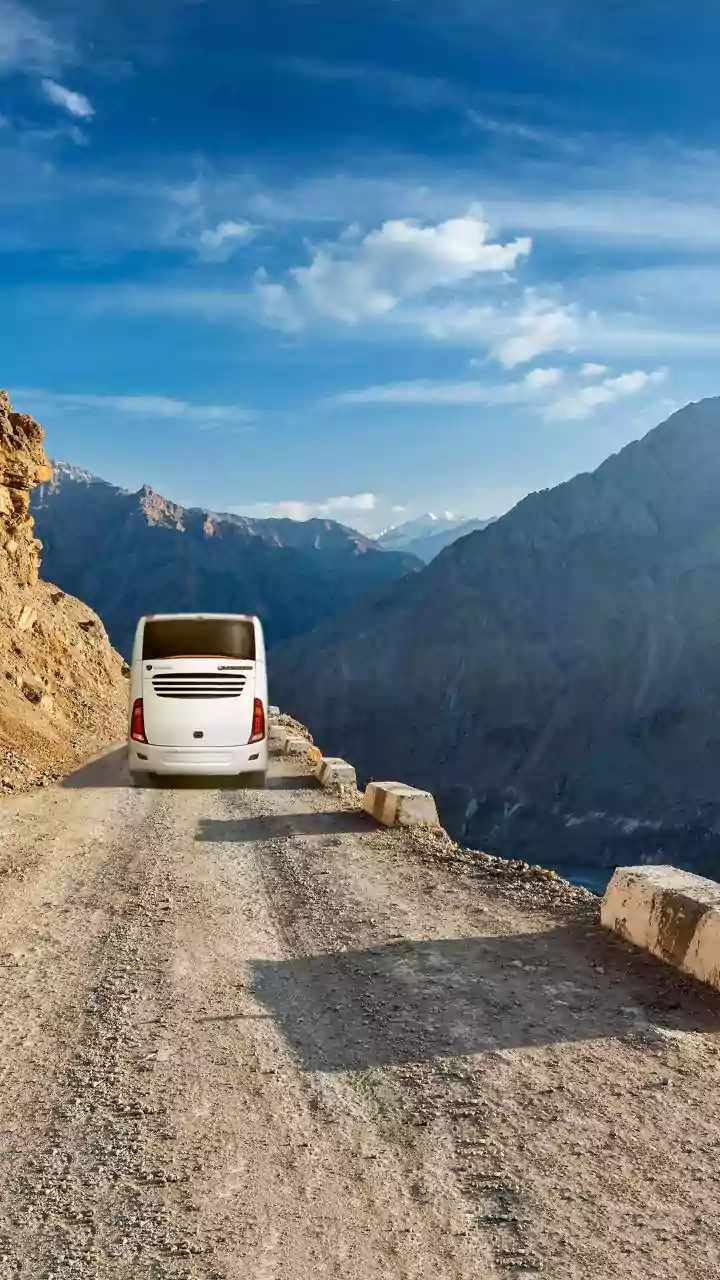
a preferred travel season, driven by a desire for rain-soaked landscapes, cooler temperatures, and nature-based experiences. According to a report from the travel platform Cleartrip, hotel bookings during the monsoon season have surged by nearly 54% year-on-year. This shift is powered by several factors, including the rise of 'workcations', where remote work allows for extended stays in scenic locations, and a growing appetite for shorter, more frequent getaways. Social media has also played a huge role, turning misty hills, lush waterfalls, and scenic road trips into aspirational travel goals.
Popular Destinations Feeling the Pinch
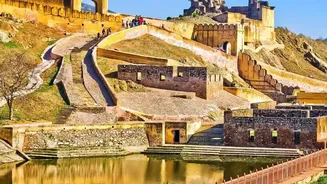
This newfound popularity is most visible in traditional monsoon hotspots and some surprising new contenders. In the south, Wayanad in Kerala has seen an explosive 160% increase in hotel bookings, making it one of the country's top monsoon destinations. Other southern favourites like Alleppey, Kodaikanal, and Ooty have also registered booking growth of over 70%. It’s not just the hills; coastal destinations are also seeing a renaissance. Goa, long a winter favourite, recorded a 110% growth in monsoon hotel bookings. The Northeast has emerged as a major gainer, with Nagaland and Arunachal Pradesh seeing hotel bookings climb by more than 90% as travellers seek out offbeat experiences. Even heritage destinations like Udaipur and Pondicherry are reporting significant booking increases.
The Problem with Spontaneity
The direct consequence of this boom is that last-minute travel is becoming less feasible. Spontaneous trips, once a hallmark of monsoon travel, are now met with sold-out hotels, limited availability, and dynamic pricing that can drive up costs significantly. While some discounts can still be found, the traditional off-season price drops of 20-40% are becoming less common in high-demand areas. Hotel operators report that resilient demand has helped them maintain pricing power, a stark contrast to pre-pandemic years when monsoon meant deep discounts. For travellers, this means that showing up without a reservation, especially on a long weekend, is likely to lead to disappointment or settling for less-than-ideal accommodation.
Your Monsoon Travel Playbook
Navigating this new landscape requires a shift in strategy from spontaneity to thoughtful planning. To make the most of a monsoon trip, consider these tips. First, book well in advance. For popular destinations, securing accommodation and transport a month or two ahead is now essential, especially for weekend travel. Second, be flexible with your dates and destinations. Travelling on weekdays instead of weekends can often yield better prices and more options. If your heart is set on a popular region, explore a lesser-known town nearby. Third, look beyond large hotels. The rise in demand has led to a boom in homestays, boutique properties, and private villas, which can offer more unique and available options. Finally, always check cancellation policies. Unpredictable weather can still cause travel disruptions, so booking stays with flexible refund or rescheduling options is a wise move.
Is This the End of the Off-Season?
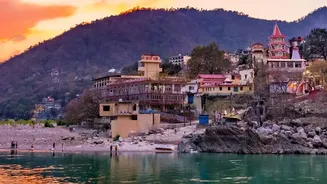
The trend suggests a fundamental reshaping of India's travel calendar, where distinct peak and off-peak seasons are blurring into a model of year-round tourism. For many destinations in the Western Ghats, the Himalayas, and the Northeast, the monsoon is now a primary attraction in itself. Travellers are increasingly experience-led, choosing destinations that align with specific interests like wellness, spirituality, or outdoor adventure, regardless of the season. This shift is driving demand to places like Rishikesh and Mussoorie, which have seen search interest grow by over 160%. While this helps distribute tourist traffic more evenly through the year, it signals that the era of relying on last-minute deals for a quality monsoon vacation is drawing to a close.