


From Niche Gadget to Kitchen Staple
Not long ago, the air fryer was a novelty. Introduced in 2010, its promise was simple: to mimic the results of deep-frying using superheated, rapidly circulating air, but with a fraction of the oil. Early adopters used it for the obvious things—chicken
nuggets, frozen fries, and reheating pizza. But as health consciousness grew, so did the appliance's popularity. What started as a niche product for healthier frying quickly became a fixture in kitchens across India. People realised its potential went far beyond just crisping things up. This shift laid the groundwork for the creative explosion we are witnessing today.
The Social Media Effect
The single biggest driver of air fryer experimentation is social media. Platforms like TikTok and Instagram Reels are flooded with videos of users trying outlandish and brilliant recipes. We've seen everything from 'air-fried' boiled eggs and pasta chips to entire cakes baked to perfection. In India, this has translated into users creating healthier, faster versions of traditional favourites. Imagine crispy samosa fillings without the deep-fried shell, or paneer tikka that gets beautifully charred edges in minutes without firing up a tandoor or grill. These viral videos not only provide inspiration but also create a sense of community and friendly competition, encouraging everyone to ask, “What else can this thing do?”
The Quest for 'Healthy-ish' Indulgence
The experimental wave is also fuelled by a desire for balance. People want indulgent food, but without the associated guilt or heaviness. The air fryer is the perfect tool for this 'healthy-ish' approach. It allows cooks to achieve the satisfying crunch and caramelisation of high-heat cooking with minimal oil. Think of pork belly with perfectly rendered, crispy crackling or juicy chicken wings that taste deep-fried. You can even roast vegetables like corn on the cob or Brussels sprouts, transforming them into flavourful, caramelised snacks. This opens the door to reinterpreting traditionally indulgent dishes as lighter, everyday meals, encouraging a level of creativity that wasn't possible with just a standard oven or pan.
Smarter, More Versatile Appliances
The technology itself has evolved significantly. Early air fryers were simple, often small, single-function devices. Today's models are multi-functional powerhouses. Many now come with settings to bake, roast, grill, dehydrate, and even steam. The introduction of dual-basket models allows for cooking two different things at once, further expanding their utility. This evolution from a basic fryer to a sophisticated, all-in-one countertop oven has naturally invited more complex and experimental cooking. When your appliance has a 'bake' setting, you're more likely to try making banana bread or even a layered mango cake in it. The appliance is no longer just a fryer; it's a compact, efficient, and versatile cooking station.
A New Era of Home Cooking
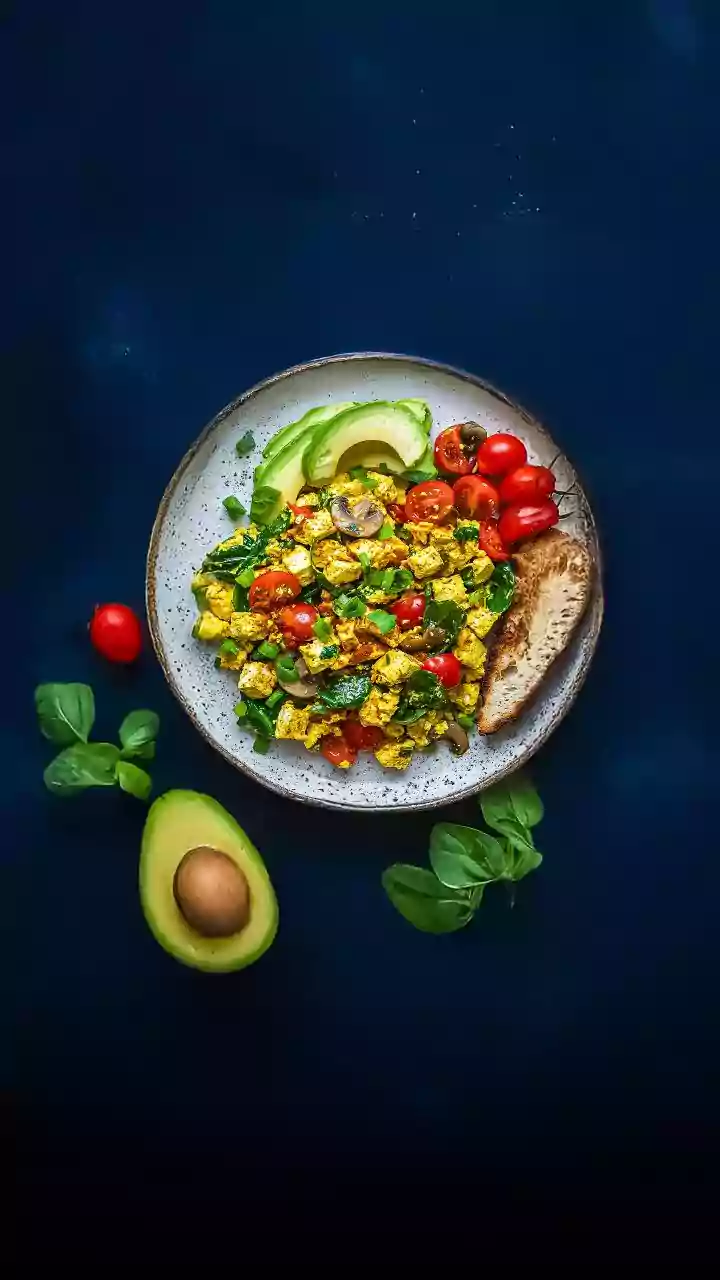
The pandemic fundamentally changed our relationship with our kitchens. With more people cooking at home than ever before, there was a collective search for ways to make daily meals more exciting and less of a chore. The air fryer fits perfectly into this new reality. It cooks food faster than a conventional oven and requires far less cleanup than traditional frying, making it ideal for busy weeknights. Its ability to handle everything from breakfast (creamy baked eggs) to dinner (a full fillet of beef) to dessert makes it an invaluable tool for the modern home cook who values both convenience and creativity. The experimentation isn't just a fad; it's a reflection of how our cooking habits have adapted to a new lifestyle.