




The Power in the Peel
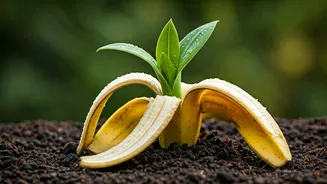
The core of this gardening tip lies in the nutritional profile of the banana peel itself. It's not just waste; it's a package of micronutrients. Peels are a fantastic source of potassium, which is vital for overall plant vigour. Potassium helps regulate
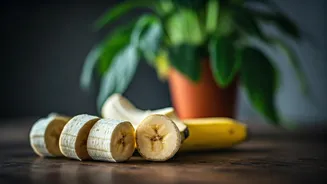
water and nutrient movement within the plant, strengthens stems, and plays a crucial role in flowering and fruiting. Beyond potassium, banana peels also contain smaller but still significant amounts of phosphorus, calcium, and magnesium. Phosphorus aids in root development and flower production, while calcium is essential for building strong cell walls. Think of it less as a powerful, fast-acting fertilizer and more like a gentle, slow-release vitamin supplement for your soil.
Myth vs. Reality: A Pest Guard?
The headline claims peels can 'guard' plants, which brings up the topic of pest control. Some gardeners swear by burying banana peels near the base of plants like roses to deter aphids. The theory is that the pests dislike the gasses released during decomposition. However, scientific evidence for this is very thin, and results are purely anecdotal. In fact, you may create the opposite effect. The sweetness of a decomposing banana peel can be a magnet for unwanted visitors, especially indoors. Fungus gnats, fruit flies, and other pests can be attracted to the moist, decaying organic matter, creating a new problem while failing to solve the old one. So, while you might get lucky with aphids, it’s safer to rely on peels for their nutritional value rather than their unproven pest-repellent qualities.
The Right Way to Use Banana Peels
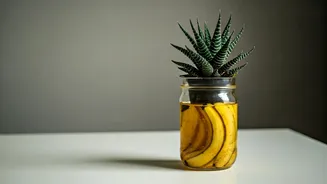
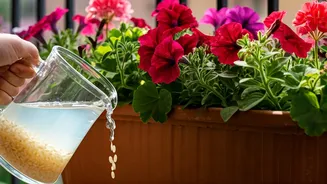
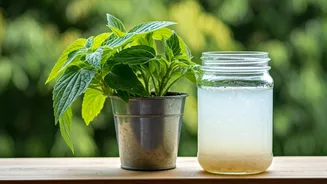
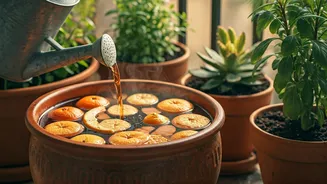
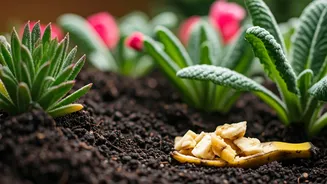
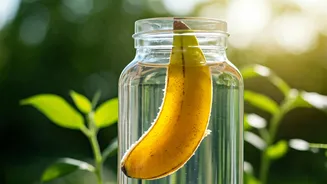
To get the benefits without the bugs, preparation is key. Simply tossing a whole peel or large chunks on your potting soil is a recipe for mould and pests. Instead, try these safer, more effective methods. 1. **Banana Peel Tea:** This is one of the best methods for indoor plants. Submerge a few fresh or dried peels in a jar of water and let it sit for two to three days. The water will absorb the nutrients. Discard the peels (add them to your compost) and use the resulting 'tea' to water your plants. Dilute it with fresh water if it seems too concentrated (a 1:5 ratio of tea to water is a good start). 2. **Dried Peel Powder:** Dry your banana peels completely until they are brittle and black. You can do this by leaving them in a sunny spot, using a dehydrator, or baking them on a low heat in the oven. Once they are fully dried, crush them into a fine powder using a blender or a mortar and pestle. This powder can be sprinkled lightly onto the topsoil before watering or mixed directly into your potting mix when repotting. Drying eliminates the risk of attracting pests. 3. **Chop and Bury:** If you want to add the peels directly to a pot, make sure you chop them into very small, one-inch pieces. Bury these pieces at least two to three inches deep into the potting soil, away from the plant's main stem. This helps them decompose out of sight and reduces the likelihood of attracting surface pests.
Common Mistakes to Avoid
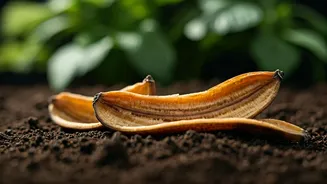
Following the right method is half the battle; avoiding common pitfalls is the other. First and foremost, never leave a whole peel sitting on top of the soil. It decomposes slowly, can get slimy and mouldy, and is a major invitation for fruit flies and fungus gnats. Second, don't overdo it. Banana peels are a supplement, not a complete fertilizer. Using them too frequently can create a nutrient imbalance in the soil. A monthly application of banana peel tea or a light sprinkle of powder every few months is more than sufficient for most indoor plants. Finally, always use peels from organically grown bananas if possible, as conventional bananas are often sprayed with pesticides that you don't want to introduce into your indoor garden's ecosystem.
Plants That Love a Banana Boost
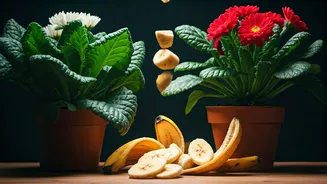
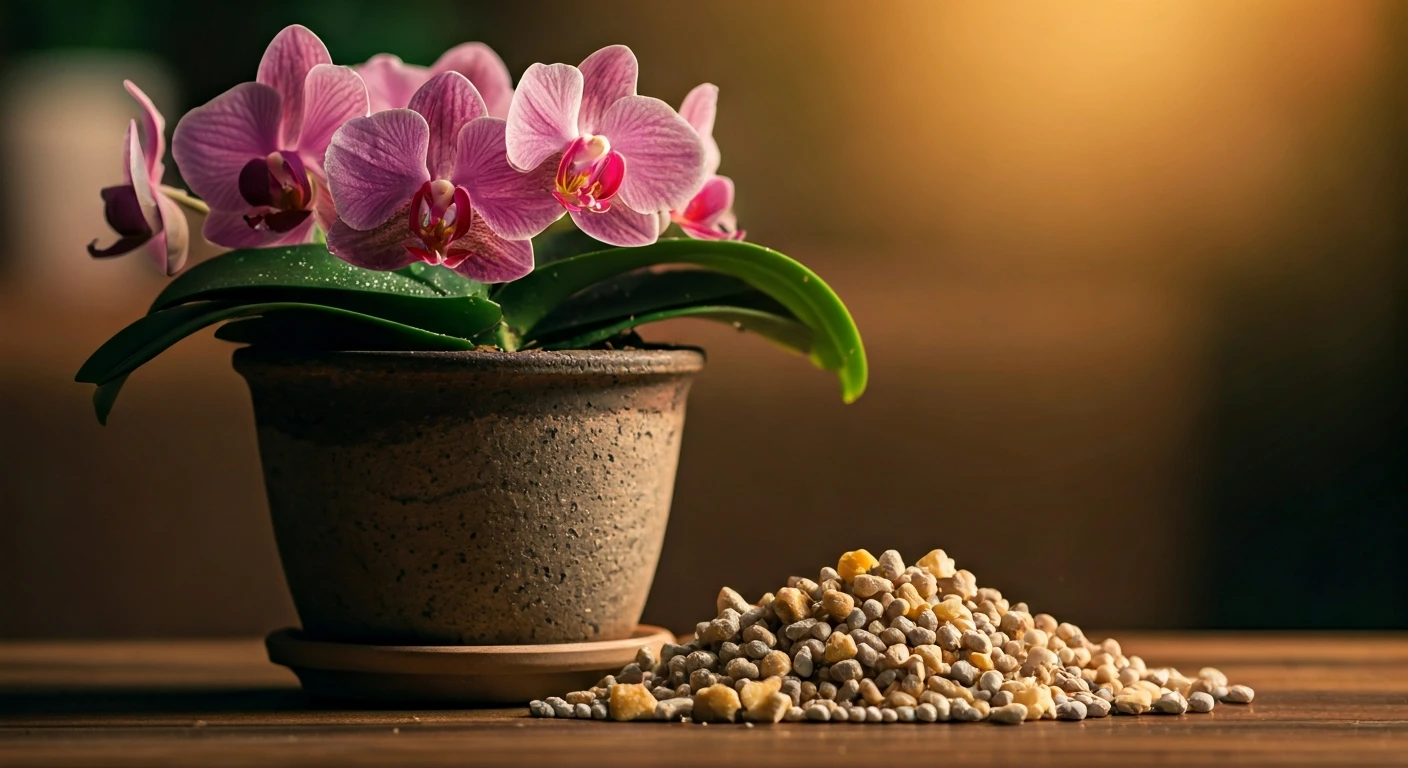
While most plants can benefit from the extra nutrients, some are particularly responsive to the potassium boost from banana peels. Indoor flowering plants are at the top of the list. The high potassium content encourages the development of more, bigger, and brighter blooms. Think of plants like Hibiscus, Peace Lilies, Orchids, and African Violets. Fruiting plants, even those grown indoors like small tomato or pepper varieties, also appreciate the support for fruit development. Ferns and other leafy foliage plants will also benefit, as potassium strengthens their overall structure, but the most dramatic results are typically seen in the flowering species.