



A New Chapter in Global Dining
The global palate for Indian food is maturing. Diners are moving beyond the idea of a single, monolithic 'Indian curry' and are actively seeking regional specificity. In this new culinary landscape, South Indian food, and particularly the cuisine of Kerala,
is having a major moment. This isn't about explosive, overnight fame; it's a steady and confident emergence, driven by authenticity and a flavour profile that is both unique and deeply satisfying. Publications like Lonely Planet have taken notice, naming a culinary tour of Kerala as one of the world's top travel experiences for 2026, the only Indian state to make the list. This highlights a growing recognition that Kerala's food is a destination in itself.
Stars, Guides, and Critical Acclaim
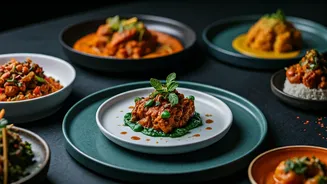
The most tangible signs of this 'quiet flex' are the accolades being gathered by restaurants championing Kerala's culinary heritage. In London, Quilon earned a Michelin star back in 2008 for its Keralan and Goan-inspired seafood dishes and has maintained it ever since, proving the cuisine's fine-dining potential. Across the UK, establishments like Tharavadu in Leeds have received Michelin recommendations and become local institutions, praised for their authentic flavours. More recently, the wave of specific South Indian food has been led by restaurants like Semma in New York. While its focus is on Tamil Nadu, its massive success—earning a Michelin star and being named the #1 restaurant in New York City by The New York Times for 2025—signals a powerful shift. It proves that unapologetically regional South Indian food can reach the pinnacle of global dining. This success has paved the way for others, like the team behind Chennai's famed Kappa Chakka Kandhari, who have recently opened an outlet in New York.
The Diaspora as Culinary Ambassadors
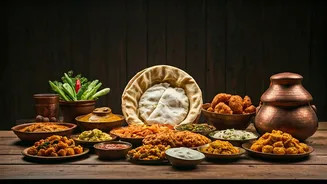
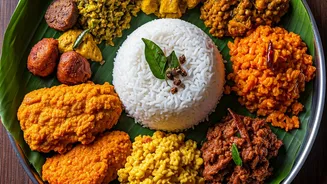
This rising tide is lifted by the global Malayali diaspora. Chefs and entrepreneurs are acting as crucial cultural translators. Chef Suresh Pillai, who honed his craft in London's Michelin-starred kitchens, has become a global ambassador for Kerala's cuisine, bringing his expertise back to India and sharing it worldwide. Similarly, Chef Regi Mathew of Kappa Chakka Kandhari has meticulously researched home and toddy shop recipes to preserve and elevate the state's authentic foodways, earning a place in Condé Nast Traveller's top Indian restaurants. It’s not just high-end chefs; it's family-run restaurants like Kerala Kitchen in Wirral, UK, which won its local 'Best Restaurant' award for three consecutive years after its founder noticed a gap in the market for authentic South Indian home cooking. These passionate individuals are introducing the nuances of appam, the complexity of fish pollichathu, and the comfort of a traditional sadhya to an entirely new audience.
What Makes Kerala Cuisine Resonate Now?
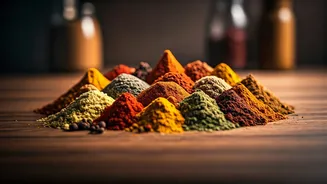
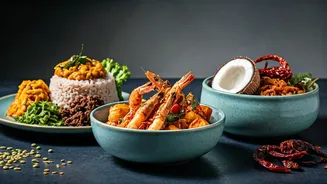
So, why is this happening now? A key factor is the global demand for authenticity. Diners are tired of generic experiences and crave food with a story and a sense of place. Kerala's cuisine, with its distinct use of coconut, tamarind, fresh seafood, and a symphony of spices like black pepper and cardamom, offers exactly that. It tells a story of its geography—the backwaters, the coastline, the spice-scented hills. Furthermore, many dishes are naturally aligned with modern wellness trends, featuring lighter coconut-based sauces, fermented rice batters, and an abundance of vegetables. This isn't about adapting flavours for a foreign palate, but about the world's palate evolving to appreciate the intricate, layered, and unapologetic tastes of God's Own Country. The cuisine varies enormously from the Mappila cooking of the north to the coconut-heavy stews of the south, offering a universe of flavours to explore.