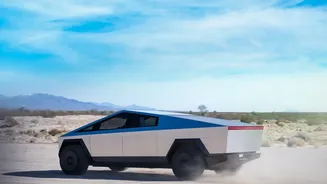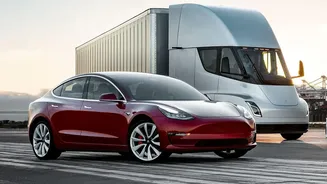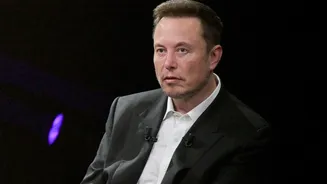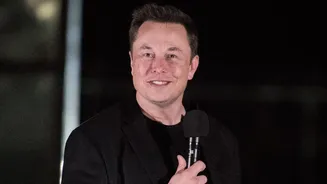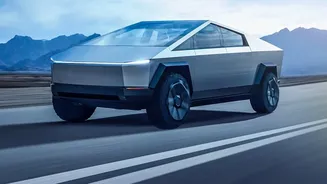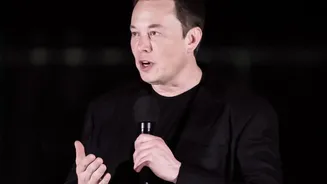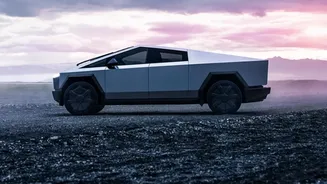





Just when you thought the Tesla Cybertruck saga couldn't get more complex, it did. A new statement from CEO Elon Musk has extended the controversial pickup's production timeline, pushing the final delivery dates further into the future.
An Ever-Shifting Timeline
In a series of
recent announcements, Elon Musk confirmed that Tesla will extend production of the Cybertruck through the end of summer 2027. This decision gives the company a few more months to work through what is described as a colossal order backlog. The news represents another twist in the vehicle's production plan, which originally had the assembly line at Tesla's Texas Gigafactory winding down around the middle of 2027 to make way for the company's next big project: the Cybercab robotaxi. This extension adds roughly two to three more months to the Cybertruck's lifespan, a move that comes after considerable discussion and even some backlash from fans and reservation holders online.
Demand, a Backlog, and Tough Choices
The core reason for the production extension is a simple case of supply and overwhelming demand. Musk stated that the Cybertruck's order rate 'far exceeds' Tesla's production capacity. Even with plans to add an extra production shift, the company acknowledged it would not be able to fulfill every order before the previously planned shutdown. This has led to the difficult admission that Tesla will have to return deposits to a significant number of people. To manage the immense backlog and streamline the final production run, Tesla has also made some significant changes to the available models. The company has stopped taking orders for the base Rear-Wheel Drive and the mid-tier Premium All-Wheel-Drive trims. This leaves only the top-of-the-line 'Cyberbeast' model available for new orders, which recently saw its price increase to $109,990.
A Pivot to the Future
The decision to eventually end Cybertruck production is not about profitability, according to Musk, but about strategic priorities. The manufacturing complexity of the Cybertruck is significant, and Tesla's leadership believes the resources, factory space, and personnel are better allocated to the upcoming Cybercab. The Cybercab, a two-seater autonomous vehicle with no steering wheel or pedals, is central to Tesla's vision of a robotaxi future and its evolution into a 'transportation-as-a-service' company. While the Cybertruck has been a high-profile vehicle since its 2019 unveiling, its sales have not met the ambitious initial projections of 250,000 units annually. The company's focus is now clearly shifting toward autonomy and next-generation vehicles.
What This Means for Buyers
For those with a Cybertruck on order, the situation is a mixed bag. The production extension means more trucks will be built, increasing the chances for some reservation holders. However, it doesn't guarantee that every existing order will be fulfilled. The customer backlash to the initial announcement of the production winddown was palpable, with many expressing frustration after years of waiting. Musk himself acknowledged the emotional component of the decision, stating that extending production was not the 'smartest move from a profitmaximizing standpoint' but that 'there must be some room in this world for sentimentality'. For prospective buyers, the door has narrowed considerably, with only the most expensive model now available and a waitlist that stretches years into the future.