






Why the Train is a Greener Choice
While the term 'carbon neutral' is a high bar that few transport systems meet without extensive offsetting, choosing the train over a budget flight is one of the single best decisions a sustainable traveller can make. Rail travel in Southeast Asia generates
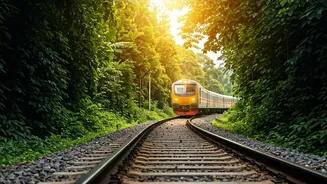
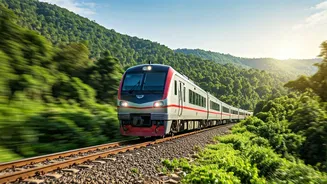
significantly fewer carbon emissions per passenger than flying. Beyond the numbers, it's a vote for 'slow travel.' You connect more deeply with the country you're in, witnessing the transition from bustling cities to quiet villages and scenic countrysides. It reduces your carbon footprint while enriching your travel experience, turning a simple transit day into a memorable part of your adventure.
Thailand: From Bustling Bangkok to Northern Hills
Thailand’s State Railway network is the classic entry point for many backpackers. The most iconic journey is the overnight sleeper train from Bangkok to Chiang Mai. It’s a rite of passage. Booking a second-class air-conditioned sleeper gets you a comfortable bunk, clean linen, and the joy of waking up to misty mountains in the north. The journey takes around 12-14 hours, saving you a night's accommodation and providing stunning views you'd miss from 30,000 feet. For those heading south, the line from Bangkok runs towards the Malaysian border, offering stops at coastal hubs like Hua Hin and connecting you to the southern islands via bus and ferry transfers.
Vietnam: The Epic Reunification Express
Stretching over 1,700 kilometres between Hanoi in the north and Ho Chi Minh City in the south, the Reunification Express is one of the world's great rail journeys. While you can do it in one 35-hour trip, the real magic lies in breaking it up. You can hop off to explore the imperial city of Hue, wander the lantern-lit streets of Hoi An (a short bus ride from Da Nang station), or relax on the beaches of Nha Trang. The coastal stretch between Hue and Da Nang, known as the Hai Van Pass, is particularly breathtaking. Vietnam Railways offers various classes, from hard seats for the truly budget-conscious to comfortable soft-sleeper berths in four-person cabins, perfect for small groups.
Malaysia: Modern Comforts Through the Jungle
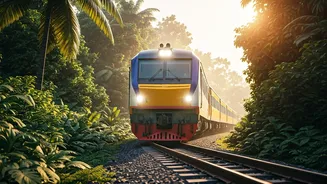
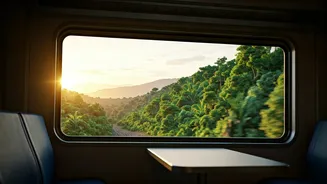
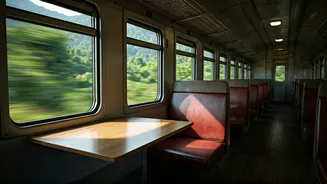
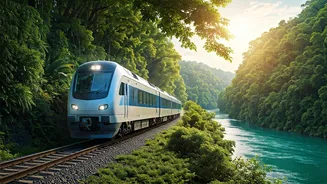
Malaysia’s KTM (Keretapi Tanah Melayu) offers a more modern and efficient experience, particularly on its west coast line. The Electric Train Service (ETS) is a fast, comfortable way to travel from Padang Besar (on the Thai border) down through Ipoh and Kuala Lumpur, all the way to Gemas. From Gemas, you can connect to a more traditional 'jungle railway' that cuts through the country's interior towards the east coast. The ETS trains are clean, air-conditioned, and punctual, making them a stress-free alternative to bus travel. Watching the endless palm plantations and dense jungle scenery whiz by from a modern cabin is a unique Southeast Asian experience.
Tips for Booking Your Rail Adventure
Booking train travel in Southeast Asia has become much easier. For planning multiple legs, websites and apps like 12Go Asia are invaluable. They allow you to compare times and prices and book tickets across different countries in one place. Alternatively, you can often book directly from the national railway websites, though some may be tricky to navigate. It’s always wise to book popular routes, like the Bangkok-Chiang Mai sleeper, at least a few days to a week in advance, especially during peak season. Pack snacks and water, but also be open to buying delicious and cheap meals from vendors who hop on at various stops—it's all part of the journey.