
Why Cleanliness and Drainage Matter
It’s easy to focus on the plants themselves, but the containers they live in play a crucial role in their health. Over time, pots accumulate mineral salts from water and fertilisers, which can appear as a white, crusty film. This buildup is not only unsightly
but can also be harmful to plant stems. More importantly, used pots can harbour disease-causing organisms and pests that will happily move into your new plants. Proper cleaning and disinfection before reusing pots is a non-negotiable step for a thriving garden. Just as crucial is drainage. Without adequate drainage holes, excess water pools at the bottom of the pot, suffocating the roots and leading to root rot—one of the most common killers of container plants.
A Step-by-Step Guide to Cleaning Your Pots
For a truly deep clean, it’s best to work with empty pots. First, use a stiff brush to scrub away any loose soil and debris. For stubborn mineral deposits, especially on terracotta, a wire brush or even a knife can be used to scrape them off. Once the physical debris is gone, wash the pots with warm, soapy water and rinse them thoroughly. The final, most important step is to disinfect. A common and effective method is to soak the pots in a solution of one part household bleach to nine parts water. Let them soak for at least 10 minutes to kill any lingering pathogens, then rinse them completely and allow them to air dry. For those who prefer a non-bleach alternative, wiping or spraying the pots with 70% isopropyl alcohol is also an effective disinfectant.
Mastering Pot Drainage
Good drainage starts with the pot itself. Always choose containers with at least one drainage hole at the bottom. If you fall in love with a decorative pot that has no holes, you can often drill them yourself using a bit appropriate for the material. A common myth is that adding a layer of gravel or broken pottery to the bottom of a pot improves drainage. In reality, this can make things worse by raising the level of saturated soil, bringing it closer to the plant's roots. Water does not move easily from the fine texture of soil to the coarse texture of gravel, creating a waterlogged layer just above the rocks. The best way to ensure good drainage is to use a quality potting mix designed for containers and to make sure the drainage holes are not blocked.
Simple Tricks for Superior Drainage
To prevent soil from washing out of the drainage holes, you can place a piece of mesh, a coffee filter, or a single large piece of a broken pot over the hole before adding soil. This allows water to escape freely while keeping the soil in place. Another excellent trick, especially for pots on a solid balcony floor, is to elevate them slightly. Using 'pot feet' or even simple items like bottle caps placed under the pot creates an air gap that allows water to drain away completely and prevents the pot from sitting in a puddle. For your soil mix itself, you can improve its structure and porosity by amending it with materials like perlite or coarse sand. These additives create more air pockets in the soil, which helps water drain through and provides oxygen to the roots.
Choosing the Right Pot Material
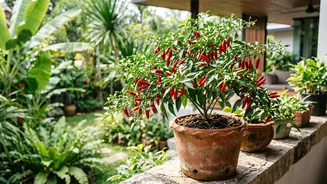
The type of pot you choose also affects its cleaning and drainage needs. Terracotta and other unglazed clay pots are porous, meaning they breathe. This allows soil to dry out more quickly, which is great for plants that prefer drier conditions, like succulents and herbs. However, their porous nature also means they are more prone to showing mineral stains and require more effort to clean. Plastic or glazed ceramic pots are non-porous. They retain moisture for much longer, which can be beneficial for plants that like consistently moist soil but also increases the risk of overwatering if drainage is poor. They are generally easier to wipe clean than their terracotta counterparts.