







Prioritise Quick-Dry and Breathable Fabrics
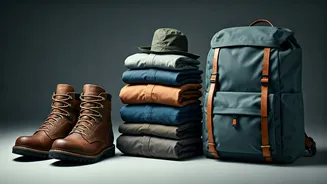
The foundation of any smart monsoon wardrobe is the right fabric. Heavy materials like denim and pure cotton absorb water, becoming heavy and taking ages to dry. Instead, prioritise lightweight, quick-drying fabrics. [3] Synthetics and semi-synthetics
like polyester blends, rayon, crepe, and georgette are excellent choices. [16] These materials don't hold moisture, dry quickly if you get caught in a shower, and resist the damp, clingy feeling associated with high humidity. [3, 10] For those who prefer natural fibres, fine cottons and linen are great options as they are breathable and dry relatively fast. [9, 8] Tencel, made from wood pulp, is another standout as it manages moisture exceptionally well, making it ideal for the Indian monsoon. [11]
Rethink Your Hemlines and Silhouettes
Long, flowing garments are a recipe for disaster on muddy, water-filled streets. The smarter choice is to opt for shorter hemlines. Think cropped trousers, culottes, ankle-length pants, and knee-length or midi dresses and skirts. [6, 14] These styles keep your clothes away from puddles and splashes, saving you from a soggy and dirty finish to your day. [26] Silhouettes should be relaxed and airy. Tight-fitting clothes are a bad idea in humid weather as they restrict air circulation and can feel sticky and uncomfortable. [18] Loose, relaxed fits, like co-ord sets or A-line kurtis, allow your skin to breathe. [17, 22]
Invest in Waterproof and Anti-Slip Footwear
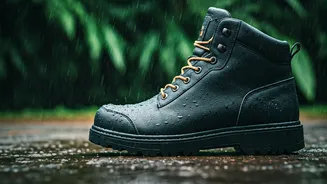
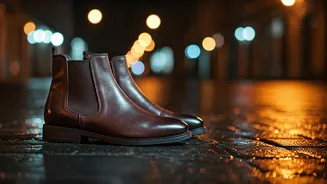
There's nothing worse than the feeling of wet socks or ruined leather shoes. Monsoon calls for a complete overhaul of your footwear. Suede and leather are out; rubber, PVC, and EVA are in. Look for waterproof sandals, jelly flats, or classic rain boots (gumboots) that offer protection and are easy to clean. [13, 2] Brands now offer stylish and waterproof versions of loafers, sneakers, and sandals, so you don't have to sacrifice style for function. [12, 7] The most crucial feature, however, is an anti-slip sole. Wet, tiled, or paved surfaces become treacherous, and a good grip is non-negotiable for safety. [5, 20]
Choose Smarter Outerwear and Layers
The days of bulky, unflattering plastic raincoats are long gone. Modern rainwear is stylish and functional. A lightweight, foldable trench coat, poncho, or windcheater can protect you from sudden downpours without adding bulk. [2, 5] Look for options that are water-resistant yet breathable. [5] Layering is still possible in the monsoon, but it needs to be strategic. A light, unbuttoned, quick-dry shirt or a shrug can add a layer of style while being easy to remove if the humidity rises. [17, 19] This is especially useful for navigating the temperature shifts between the rainy outdoors and heavily air-conditioned offices. [24]
Accessorise for Protection and Style
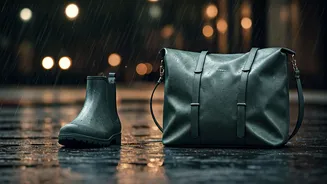
Your accessories should also be monsoon-proof. Opt for waterproof bags made from materials like nylon or coated fabrics to protect your essentials like your phone, wallet, and laptop. [4, 15] A compact, windproof umbrella is a must-have that can withstand gusty winds. [5] When it comes to colours, while the sky may be grey, your wardrobe doesn't have to be. Bright, vibrant colours can lift your mood on a gloomy day. [18] However, dark shades like navy, olive, and charcoal are practical as they cleverly camouflage mud splashes and water stains. [24, 26]
Don't Forget Wardrobe Care
A smart monsoon wardrobe also involves smart care. The high moisture content in the air can lead to a musty smell and even fungal growth in your closet. To combat this, ensure your wardrobe is well-ventilated. Using moisture absorbers like silica gel pouches or cedar blocks can help keep dampness at bay and your clothes smelling fresh. [6] If you get drenched, don't leave damp clothes in a heap. Hang them up to dry as soon as possible to prevent odours and mildew from setting in.