

What Exactly Is Shokupan?
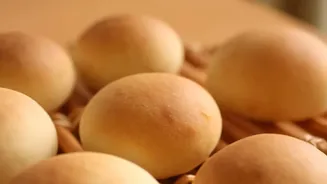
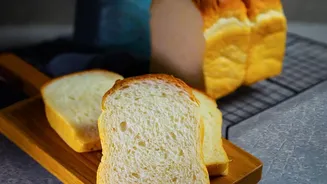
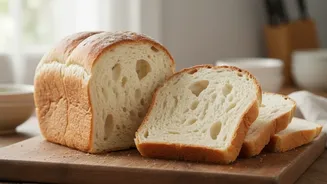
Shokupan is a type of Japanese white bread, but it's a world away from the standard sandwich loaf you might be used to. The name itself translates to “eating bread,” a testament to its status as an everyday staple in Japan. What sets it apart is its extraordinary
texture: it's incredibly soft, moist, and fluffy, with a springy, cloud-like crumb. The flavour is subtly sweet and milky, making it delicious on its own or as the perfect base for both sweet and savoury toppings. While it can be used for anything from toast to sandwiches, its unique qualities have elevated it from a simple pantry item to a celebrated delicacy in high-end bakeries worldwide.
The Secret Behind the Softness
The magic of shokupan lies in a special baking technique known as either the Tangzhong or Yudane method. Both involve pre-cooking a small portion of the recipe's flour and liquid (water or milk) to create a thick paste, or roux. This process, called pre-gelatinization, allows the flour to absorb and hold onto more moisture. When this paste is added to the main dough, it results in a bread that is not only exceptionally soft and moist but also stays fresh for longer. This scientific approach to trapping hydration is what gives shokupan its signature pillowy, shreddable texture without necessarily relying on high amounts of fat.
From Post-War Staple to Artisanal Star
While bread isn't a traditional part of ancient Japanese cuisine, shokupan became a cornerstone of the modern Japanese diet in the period following World War II. Wheat shipments sent as food relief introduced bread to the mainstream, and Japanese bakers developed a soft, milky loaf that appealed to local tastes. For decades, it was a familiar comfort food, often found in convenience stores and served for breakfast or in school lunches. However, around 2013, a premium shokupan movement began in Japan, with artisanal bakeries focusing on high-quality ingredients and meticulous technique, turning the humble loaf into a luxury item. This craft revival is what propelled shokupan onto the global stage.
Why is it Trending Now?
The global fascination with shokupan can be tied to several cultural shifts. In a world of complex and extreme flavours, the simple, clean taste of a perfectly made loaf of milk bread offers a comforting sense of nostalgia and satisfaction. Its visual appeal—often baked into a perfect, crustless square in a lidded Pullman loaf pan—makes it highly photogenic and shareable on social media. Furthermore, the rise of home baking has led many to appreciate the technique and science behind what seems like a simple product. As food enthusiasts increasingly seek out authentic, well-crafted products, shokupan stands out as a symbol of Japanese precision and dedication to perfecting the everyday.
The Trend Arrives in India
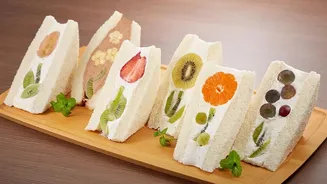
The shokupan wave has officially reached India, with a growing number of micro-bakeries and Japanese-inspired cafes making it a star attraction. In cities like New Delhi, Bengaluru, and Pune, culinary entrepreneurs are baking fresh shokupan daily, often using it to craft signature sandos (Japanese-style sandwiches). For instance, Shokupan - The Sandwich Shop in Delhi's Vasant Lok Market is dedicated to creating authentic sandos, with the goal of making them as beloved as burgers. In Bengaluru, Fillo Bakes operates as a moving bakery, delivering eggless versions of shokupan directly to neighbourhoods, reviving the nostalgia of the local bread vendor. Other establishments like Shokupan in Whitefield, Bangalore, and Yokoso in Pune also specialize in this cloud-like bread, signalling a growing appetite for artisanal Japanese baking among Indian food lovers.