



A Health-Conscious Twist on Tradition
This Janmashtami, the spirit of celebration is being met with a mindful approach to eating. Driven by a desire to honour customs without compromising on health, younger generations are turning to social media and community groups to share and discover
modernised festive recipes. This shift isn't about rejecting the classics, but about adapting them for a new era. The focus is on replacing refined sugars with natural alternatives and using nutrient-dense ingredients, a trend that reflects a broader change in India's food culture led by health-aware millennials and Gen Z. The goal is to create treats that are both delicious and guilt-free, allowing for full participation in the festivities with renewed energy.
The Iconic Panjiri, Reimagined
Panjiri, a crumbly and aromatic sweet, is a cornerstone of Janmashtami prasad. Traditionally made with whole wheat flour, ghee, sugar, and nuts, it's getting a wholesome makeover. Modern recipes championed by home cooks and food bloggers now often feature alternative flours like ragi or jowar for added fibre. The biggest change is the move away from refined sugar. Many are now using powdered jaggery, date paste, or even stevia to sweeten this delicacy. To boost its nutritional profile, ingredients like flax seeds, melon seeds, and edible gum (gond) are also being added, turning the traditional sweet into a powerhouse of energy.
Lord Krishna's Favourite, Made Lighter
Makhan Mishri, a simple mix of fresh white butter and rock sugar, is considered Lord Krishna's favourite and is an essential offering. While the traditional recipe is uncooked and straightforward, health-conscious youths are finding ways to make it lighter. Some variations involve starting with low-fat cream or yogurt to churn a less dense butter. The 'mishri' (rock sugar), which is itself considered less refined than granulated sugar, is used sparingly to maintain the signature crystalline texture without an overwhelming sweetness. The focus remains on the pure, simple flavours that make this dish a divine offering, just with a more mindful composition.
Creative Ladoos and Energy Bites
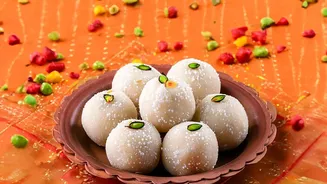
The innovation extends far beyond just two dishes. The modern Janmashtami sweet platter is bursting with creative, healthy options. Dates and nuts ladoos, which require no added sugar, have become incredibly popular, using the natural sweetness of dates as a binder. Similarly, coconut ladoos are being prepared with jaggery and a minimal amount of ghee. Some are even creating energy bars based on the classic Panjiri, combining roasted nuts, seeds, and oats, held together with date paste or a touch of honey. These modern sweets are not only healthier but also cater to a generation that values visually appealing and innovative food.
Tradition in Evolution
This culinary evolution highlights a beautiful aspect of Indian culture: its ability to adapt while holding onto its core values. These youth-led initiatives are not about diluting tradition but ensuring its survival and relevance in a world where health and wellness are paramount. By making festive foods more inclusive for those with dietary restrictions, like diabetes, or simply for those who prefer a lighter diet, they are making sure that everyone can partake in the joy of the festival. The result is a celebration that feels both timeless and perfectly suited to the present moment, proving that traditions can evolve without losing their soul.