





The Hidden Costs of a Study-Focused Life
The pursuit of academic excellence often chains students to their desks for hours on end. This prolonged sitting, a staple of college and hostel life, is a significant health risk. Studies show that university students can spend between 7 to 10 hours a day
being sedentary, a habit linked to a host of problems. Physically, it can lead to musculoskeletal discomfort, back pain from poor posture, and reduced functional fitness. Mentally, the impact can be just as severe. Research indicates strong connections between a sedentary lifestyle and increased anxiety, stress, and depression among students. The constant academic pressure combined with physical inactivity creates a cycle where students feel too drained or stressed to be active, further worsening their physical and mental well-being.
Why 20 Minutes Is Your Magic Number
The most common excuse for not exercising is a lack of time. For a busy student, finding an hour to hit the gym feels impossible. This is where the 20-minute workout shines. Research has shown that shorter, high-intensity workouts can deliver benefits comparable to, and sometimes even better than, longer sessions of moderate exercise. These short bursts of activity are highly efficient. They can boost your metabolism through a process known as excess post-exercise oxygen consumption (EPOC), meaning your body continues to burn calories at a higher rate even after you've stopped moving. A 20-minute routine is also more sustainable; it's easier to mentally commit to a shorter workout, making you more likely to stick with it consistently. This consistency is key to building long-term health habits that can protect you from the effects of a sedentary study schedule.
No Gym? No Problem. Your Body Is Your Equipment
Hostel life often means limited space and an even more limited budget. The beauty of bodyweight exercises is that they eliminate these barriers entirely. You don't need expensive gym memberships or bulky equipment; all you need is a small patch of floor in your room. Exercises like squats, push-ups, lunges, and planks are foundational movements that work multiple muscle groups simultaneously. This not only builds functional strength—the kind you use in everyday life—but also improves balance, coordination, and core stability. These workouts are incredibly versatile and can be modified to suit any fitness level. By simply changing the tempo, number of repetitions, or rest periods, you can continuously challenge your body without needing any external weights.
A Sharper Mind for Better Grades
The benefits of exercise extend far beyond physical health; they are a powerful tool for academic success. Regular physical activity has been shown to improve cognitive functions like memory, attention, and problem-solving skills. Even a short workout before a study session can make a significant difference. Exercise increases blood flow and oxygen to the brain, which stimulates neuron growth and strengthens connections, particularly in the parts of the brain responsible for thinking and memory. Studies have found that students who take short exercise breaks are more focused and less distracted in the classroom. Furthermore, physical activity is a proven stress-buster, helping to reduce symptoms of anxiety and academic burnout that are so common among university students. By taking just 20 minutes to move your body, you are also preparing your mind to learn more effectively.
Your 20-Minute Hostel Workout Plan
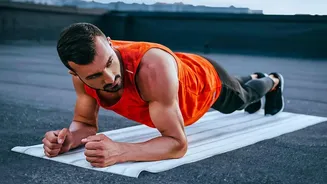
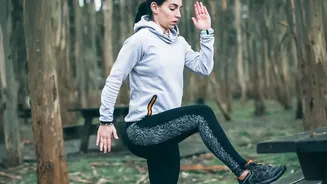
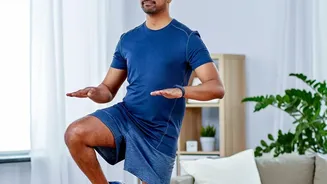
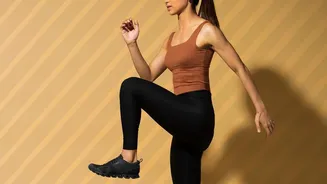
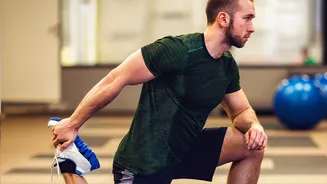
Ready to get started? Here is a simple but effective 20-minute bodyweight circuit you can do in your hostel room. The format is a circuit, which means you perform each exercise back-to-back with minimal rest to keep your heart rate up. Try to perform each exercise for 45 seconds, followed by 15 seconds of rest before moving to the next. After completing all six exercises, rest for one minute, then repeat the entire circuit two more times for a total of three rounds. 1. Jumping Jacks: A perfect warm-up to get your blood pumping. 2. Bodyweight Squats: Works your entire lower body and core. Keep your chest up and back straight. 3. Push-ups: The ultimate upper-body exercise. If a full push-up is too hard, you can do them on your knees. 4. Lunges: Great for balance and single-leg strength. Alternate legs with each repetition. 5. Plank: A fantastic exercise for core stability. Keep your body in a straight line from head to heels. 6. High Knees: Run in place while bringing your knees up towards your chest. This keeps the intensity high.