





What is the Hemis Festival?
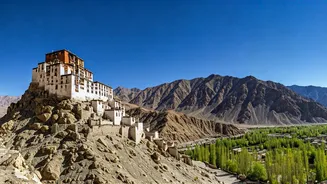
The Hemis Festival is a two-day spiritual extravaganza held at the Hemis Monastery, the largest and wealthiest monastery in Ladakh. Celebrated annually on the 10th day of the Tibetan lunar month, which typically falls in June or July, the festival commemorates
the birth anniversary of Guru Padmasambhava, the revered founder of Tibetan Buddhism. For the people of Ladakh, this is a deeply sacred occasion, a time for prayer, social gathering, and reaffirmation of faith. For travellers, it's a rare and profound window into a vibrant, living culture set against the breathtaking, high-altitude desert of the Himalayas. The entire monastery courtyard transforms into an open-air stage, filled with the sounds of traditional longhorns, cymbals, and drums.
The Soul of the Festival: The Chams
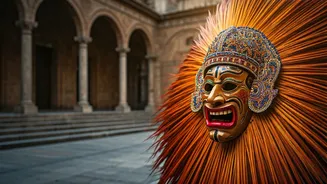
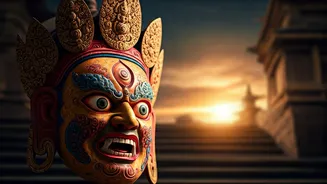
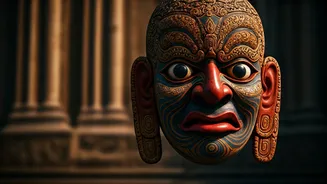
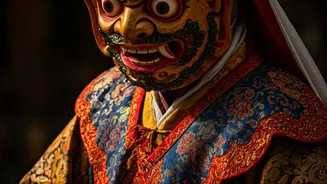
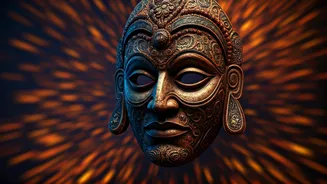
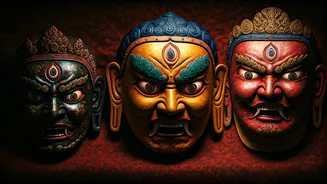
The highlight of the Hemis Festival is undoubtedly the 'Chams'—the sacred mask dances performed by the lamas (monks) of the monastery. These are not mere performances; they are elaborate religious rituals. The monks, adorned in magnificent silk costumes and wearing expressive, often fearsome, masks, embody various deities, demons, and protectors from Buddhist lore. Each dance narrates a story, most often depicting the triumph of good over evil or retelling key events from Guru Padmasambhava's life. The slow, meditative movements, the powerful symbolism of the masks, and the hypnotic music create an atmosphere that is both mesmerising and deeply spiritual. The finale often involves the destruction of a dough effigy representing evil, a powerful symbol of cleansing and renewal for the year ahead.
Getting 'Passes': The Reality of Entry
The headline mentions securing 'passes', but it's important to understand how entry actually works. Unlike a modern concert, you don't typically pre-book tickets online. Entry to the Hemis Festival is managed through an entrance fee collected at the monastery gate on the days of the festival. This fee is nominal and contributes to the upkeep of the monastery and the festival itself. The key is not booking a 'pass' but planning your arrival. The courtyard is large but fills up incredibly fast with both locals and tourists. To secure a good vantage point, you must arrive very early in the morning, well before the ceremonies begin around 9 or 10 AM. Tour operators in Leh often package the festival visit, which includes transport and guidance, but the entry ticket itself is almost always purchased on-site.
Planning Your Journey to Ladakh
The journey to Hemis begins with reaching Leh, the capital of Ladakh. The most common way is by flying into Kushok Bakula Rimpochee Airport in Leh. Once you land, the most crucial step is acclimatisation. Leh is at an altitude of over 11,500 feet, and rushing into activities can lead to Acute Mountain Sickness (AMS). Dedicate your first 48 hours in Leh to resting, drinking plenty of water, and taking short, gentle walks. Hemis Monastery is about 45 kilometres from Leh. You can hire a private taxi for the day or find a shared taxi. The drive itself is spectacular, taking you along the Indus River valley. Given the festival's popularity, it's wise to book your transport a day or two in advance.
Where to Stay and What to Pack
While Hemis Monastery has some basic facilities, the vast majority of visitors stay in Leh and travel to the festival as a day trip. Leh offers a wide range of accommodation, from luxury hotels to charming guesthouses and budget-friendly hostels. Book your stay well in advance, as the festival period is peak tourist season. When packing, think in layers. The Ladakhi sun is intense, but the moment you're in the shade or the wind picks up, it can get chilly. Essential items include a sun hat, sunglasses, high-SPF sunscreen, a warm jacket, comfortable walking shoes, and any personal medications. Carrying cash is also advisable, as digital payments can be unreliable in remote areas.