






The Challenge of the Body Clock
Working against the natural rhythm of day and night throws your internal body clock, or circadian rhythm, into disarray. This master clock, located in your brain, regulates your sleep-wake cycle over a 24-hour period. Its primary cue is light. When you work
a night shift, you are asking your body to be alert when it is biologically programmed to be asleep. This misalignment is why shift workers often struggle with fatigue during their shift and poor, fragmented sleep during the day. This isn't just about feeling tired; chronic circadian disruption is linked to a higher risk for several health problems.
Light: The Master Sleep Switch
To understand how to fix this problem, we need to look at the hormone melatonin. Often called the 'hormone of darkness,' melatonin signals to your body that it's time to prepare for sleep. Its production is highly sensitive to light. When light, particularly short-wavelength blue light, hits your retina, it powerfully suppresses melatonin production. This is great in the morning when you need to be alert, but it's a major problem for a night worker heading home as the sun rises. That morning light exposure sends a strong 'wake up' signal to your brain, precisely when you need to wind down and sleep.
Creating an Artificial Sunset
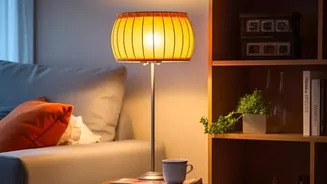
This is where adjusting your room lights comes in. The goal is to trick your brain into thinking that day is night. By minimizing your exposure to bright and blue-spectrum light after your shift, you can allow your melatonin levels to rise naturally, promoting sleepiness. This means creating an artificial sunset environment. The journey home is the first step. Wearing dark or specially designed blue-light-blocking glasses on your commute can prevent the morning sun from triggering your brain's 'daytime' mode. Once home, the strategy continues. Avoid turning on bright overhead lights. Instead, use dim, warm-toned lamps to navigate your space. Red-spectrum light has been shown to have a negligible effect on melatonin, making it an ideal choice for evening and pre-sleep hours.
Why This Improves Deep Sleep
Better sleep isn't just about how many hours you get; it's about quality. Sleep is cyclical, moving through different stages, including light sleep, deep sleep, and REM sleep. Deep sleep, also known as slow-wave sleep, is critical for physical restoration, memory consolidation, and waking up feeling refreshed. By managing your light exposure correctly, you are not just making it easier to fall asleep; you are creating the proper hormonal conditions for a more natural and consolidated sleep period. Allowing melatonin to be released without interruption helps the body initiate and maintain sleep, increasing the likelihood of spending adequate time in those crucial deep sleep stages. Studies on lighting interventions for shift workers confirm that managing light can improve sleep quality and help the body adapt to an unconventional schedule.
Practical Steps for Better Rest
Ready to take control of your sleep? Here are some actionable steps to manage your light environment after a night shift: Wear a Mask on the Way Home: Invest in a good pair of dark, wrap-around sunglasses or orange-tinted blue-light-blocking glasses to wear on your commute. Put them on before you leave your workplace. Embrace the Dark: Make your bedroom a cave. Use blackout curtains or blinds to make the room as dark as possible. Cover or remove any electronics with standby lights. Switch to Warm Bulbs: Replace the lightbulbs in your bedroom and bathroom with dimmable, warm-toned (yellow or red) bulbs. Use these exclusively in the couple of hours before you plan to sleep. Power Down Screens: The blue light from phones, tablets, and TVs is particularly disruptive to melatonin. Avoid screens for at least an hour before bed. If you must use a device, enable its 'night mode' or use a blue-light-filtering app. * Establish a Wind-Down Routine: Create a relaxing pre-sleep ritual in your artificially dim environment. This could include reading a paper book, taking a warm bath, or listening to calming music. This helps signal to your body and mind that sleep is coming.