



Deconstructing ‘Fine-Dining Drama’
For many Millennials and Gen Zs, traditional fine dining can feel more like a performance than a pleasure. The 'drama' refers to the unwritten rules: the pressure to dress a certain way, the anxiety of using the wrong cutlery, and the formal, often impersonal
service. [12] Studies show that younger generations prioritise comfort and shared experiences over strict etiquette, viewing many old-school dining rules as outdated. [26] This doesn't signal a decline in manners, but rather a cultural shift toward authenticity and inclusivity. [12] They seek environments where they can relax and connect, not navigate a social minefield. [8]
The Rise of ‘Fine-Casual’
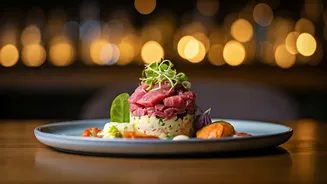
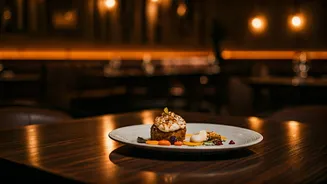
In response to this shift, a new category is booming: 'fine-casual' or 'premium casual' dining. [4, 19] This hybrid model cherry-picks the best of both worlds: the inventive, high-quality cuisine of fine dining, served in a relaxed, unpretentious atmosphere. [17, 10] Think chef-driven menus without the requirement of a dinner jacket. [4, 10] This approach aligns perfectly with what younger diners want: gourmet flavours at more accessible price points and a vibe that is sophisticated yet comfortable. [4, 19] It’s about focusing on the food and the experience, rather than the formalities surrounding it. [9]
Value, Authenticity, and the Social Feed
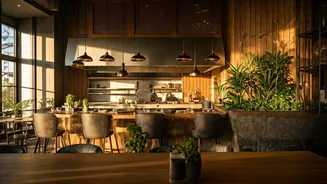
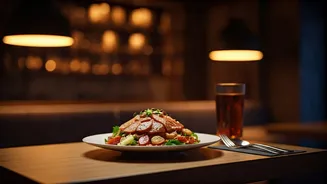
For digital natives, a meal out serves multiple purposes. Economically, value is paramount; shaped by recessions, younger diners are price-conscious and want their money spent on excellent food, not just opulent decor. [5, 16] Culturally, they crave authenticity and a good story. [2, 15] They are drawn to restaurants with a clear identity, transparent sourcing, and a mission that aligns with their values. [28] And, of course, the experience must be shareable. A restaurant's aesthetic—from the food presentation to the interior design—is a key factor, as meals are often documented and shared online, turning diners into marketers. [2, 9, 13]
The Indian Context: Global Tastes, Local Comfort
In India, this trend takes on a unique flavour. Young urban Indians are increasingly adventurous, eager to experiment with global cuisines and new formats. [14, 21] Dining out is no longer just for special occasions but has become an integral part of their lifestyle. [14] However, this global curiosity is often blended with a desire for local comfort. [6] The most successful new restaurants in India are those that balance international trends with familiar flavours or adapt global dishes to the local palate. [6, 13] They offer spaces that are both aesthetically pleasing for social media and provide a genuinely comforting, high-quality meal. [13]