






From Pantry Car to Food App
For decades, food on Indian trains meant a limited menu from the pantry car or a quick purchase from station vendors. While functional, it often left travellers craving variety, hygiene, and convenience. Today, that landscape is rapidly changing. The
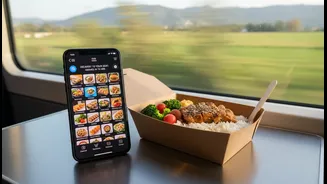
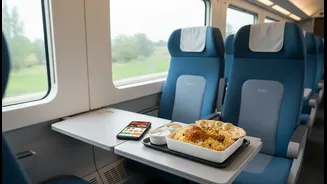
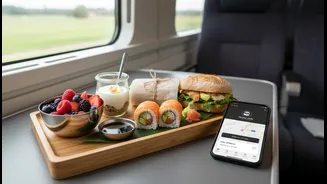
rise of smartphones and digital payments has paved the way for a booming e-catering market. Passengers can now browse menus from hundreds of restaurants and have fresh meals delivered directly to their seats. This shift represents a significant upgrade in the travel experience, giving passengers unprecedented choice and control over their meals.
How Digital Meal Planning Works
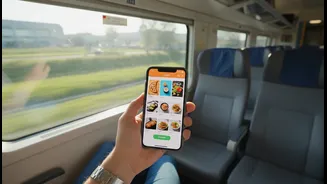
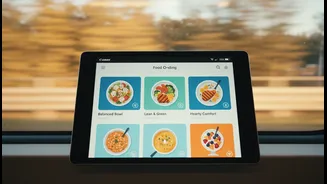
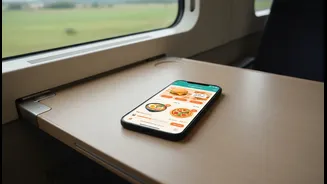
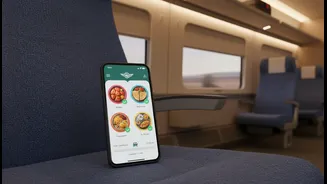
The process is surprisingly simple and built around your journey's PNR (Passenger Name Record) number. It starts with an app or website. You enter your 10-digit PNR, which confirms your train, coach, and seat details. The platform then displays a list of stations on your route where food delivery is available. You select a station, browse the menus of FSSAI-certified restaurants, and add items to your cart. Payment can be made online via UPI, cards, or net banking, with some services also offering cash on delivery. The order is then scheduled for delivery when your train arrives at the chosen station, with a delivery person bringing it right to your seat.
The Key Players on the Platform
This growing market has a few major players. The primary service is IRCTC's official 'eCatering' platform, accessible through its website and the 'Food on Track' app. IRCTC has also authorised several private aggregators to expand its reach. Popular names include Zoop, RailRestro, and Gofoodieonline. Additionally, major food delivery giants like Swiggy have entered the space, partnering with IRCTC to offer their services to train passengers. These platforms have built extensive networks of partner restaurants across hundreds of railway stations, ensuring wide coverage and variety. Swiggy, for instance, expanded its service to over 180 cities and reported a threefold increase in orders during the peak travel season of April-June 2026.
The Benefits of Ordering In
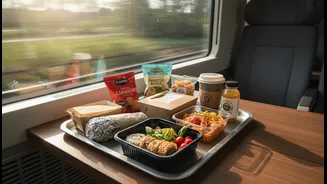
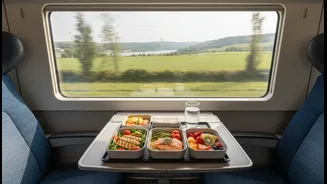
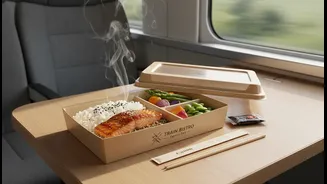
The most significant advantage is choice. Passengers are no longer limited to a standard thali. They can order anything from pizza and burgers to regional specialities, biryani, or health-conscious meals. This caters to diverse tastes and dietary needs, including options for Jain or vegetarian meals. Hygiene is another major driver, as orders are fulfilled by FSSAI-approved restaurants, addressing a long-standing concern with traditional train food. The sheer convenience of pre-planning meals and having them delivered to your seat without hassle is a game-changer for families, solo travellers, and those on long journeys. The data shows passengers are embracing this, with a more than 300% increase in multi-station bookings, where a traveller orders meals for several stops on a single trip.
Common Pitfalls and How to Avoid Them
While the system is transforming travel, it's not without occasional issues. Customers sometimes report problems like delayed or missed deliveries, cold food, or incorrect orders. Service accountability can sometimes be confusing, with platforms occasionally pointing to restaurant partners or IRCTC for issues. To ensure a smooth experience, it's wise to order well in advance—at least a few hours before your train reaches the delivery station. Keep your phone charged and handy, as the delivery person might call to confirm your coach and seat number. If you face a problem, use the app's help section immediately to file a complaint, and take photos if the issue is with food quality.
The Future of Dining on Rails
The trend of digital food ordering on trains is set for significant growth. Recent reports show a massive spike in usage, especially in smaller towns, indicating that this is becoming a mainstream travel habit across India. Companies are continuously innovating, with features like Swiggy's 'Scan your Ticket' function that automatically pulls PNR details from an uploaded ticket image. As more stations get added to the network and restaurant partnerships deepen, the variety, reliability, and reach of these services are only expected to improve, further cementing the role of digital dining in the Indian railway experience.