

The Heartland's Dairy Devotion
In Uttar Pradesh, particularly the Braj region of Mathura and Vrindavan, Janmashtami is synonymous with milk and its derivatives. This is no surprise, given that it's the land where Lord Krishna spent his childhood as a cowherd. The offerings here are
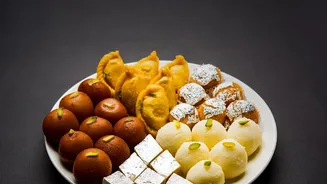
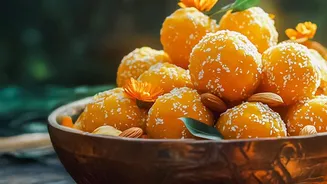
rich, creamy, and deeply tied to the abundant dairy culture. The star of the show is often the 'Mathura ke Pede', a rich, caramelized fudge made from mawa (milk solids), ghee, and sugar. Unlike its paler counterparts, this peda gets its distinctive brown hue from slowly roasting the mawa, a process that imparts a deep, nutty flavour. Another essential offering is 'Makhan Mishri', a simple yet profound mix of freshly churned white butter and rock sugar, symbolizing Krishna's innocent, butter-stealing childhood. These preparations highlight the region's reverence for cattle and the purity of milk as a primary local ingredient.
Western India's Savoury and Sweet Medley
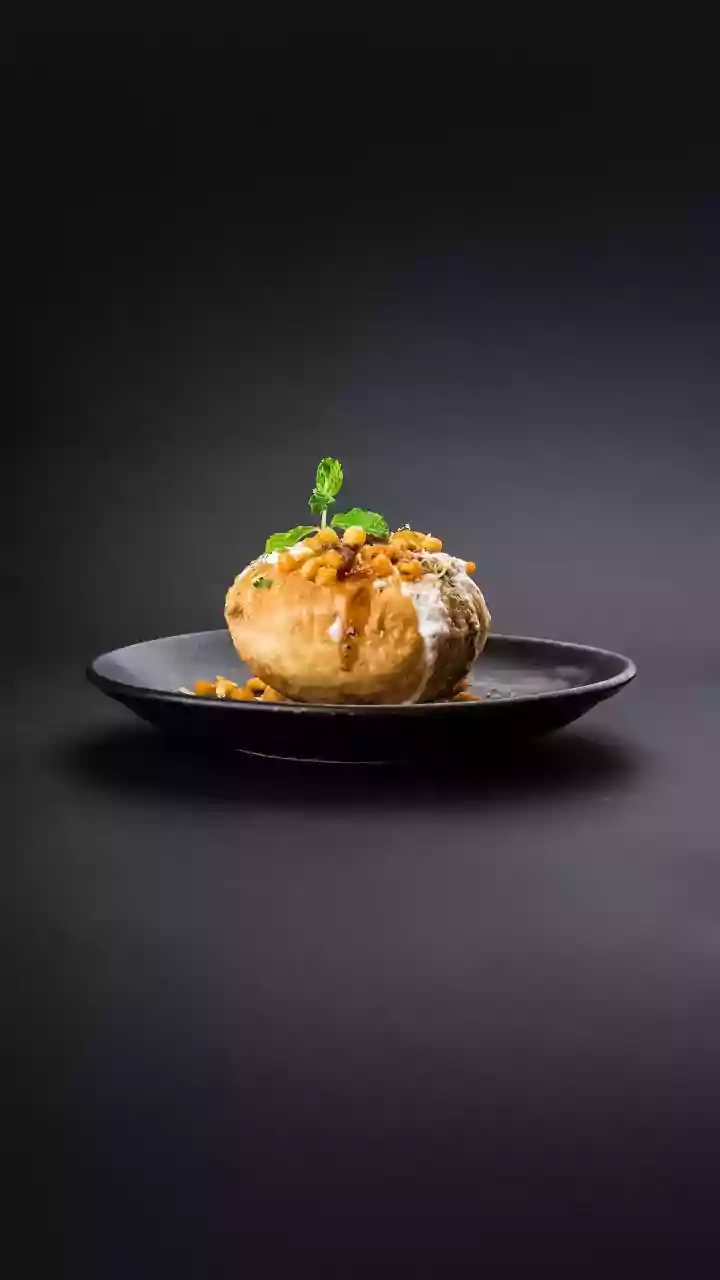
Moving west to Maharashtra and Gujarat, the Janmashtami platter becomes a vibrant mix of sweet, sour, and savoury tastes. A key preparation in Maharashtra is 'Gopalkala' or 'Dahikala'. This dish is a symbolic reenactment of Krishna sharing food with his cowherd friends. It's a no-cook recipe that combines flattened rice (poha) with curd, cucumber, coconut, green chillies, and sometimes pomegranate seeds. The ingredients represent a mix of what everyone would bring, creating a dish that is both humble and flavourful. In Gujarat, 'Shrikhand', a creamy dessert of strained yogurt sweetened with sugar and flavoured with saffron and cardamom, is a festive staple. Both states also prepare a variety of snacks, but the emphasis on poha and yogurt showcases the local agricultural staples and the region's love for complex flavour profiles.
Coastal Flavours of the South
In South India, especially in Tamil Nadu and Kerala, Janmashtami, known as Gokulashtami or Krishna Jayanthi, brings forth treats made primarily from rice flour, coconut, and jaggery—all staples of the coastal and agrarian landscape. The most iconic snacks are 'Seedai' and 'Murukku'. Seedai are small, crunchy, deep-fried balls made from rice flour, available in both sweet (Vella Seedai) and savoury (Uppu Seedai) versions. Murukku, a spiral-shaped crunchy snack, is also prepared using rice and lentil flours. Another beloved offering is 'Appam', a sweet, puffy pancake made from a batter of rice flour and jaggery, often fried in ghee. These dishes, which rely on the region's bountiful rice harvest, offer a completely different texture and flavour profile compared to the milk-heavy preparations of the north.
Eastern India's Unique Offerings
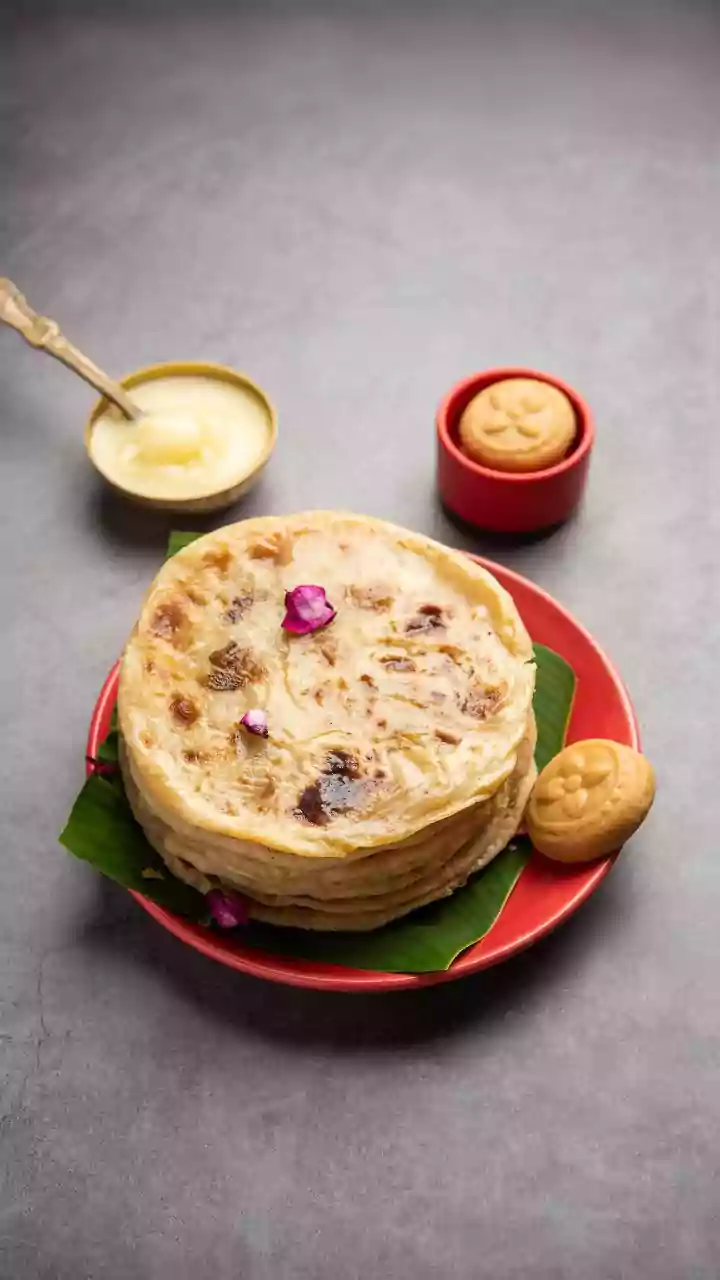
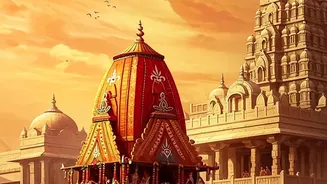
In states like Odisha and West Bengal, the festive food incorporates regional favourites. The Jagannath Temple in Puri, Odisha, is famous for its 'Chappan Bhog' (56 offerings), a tradition strongly associated with Krishna. While this grand feast is a year-round affair, it takes on special significance during Janmashtami. The Mahaprasad includes a vast array of dishes, from rice and dals to unique sweets like 'Dalma' (lentils with vegetables) and various 'pithas' (cakes made of rice flour). In West Bengal, a special treat is 'Taler Bora', sweet fritters made from the pulp of the sugar palm fruit, which ripens during this season. These fritters are mixed with rice flour or semolina and deep-fried, offering a unique seasonal flavour that is distinctly eastern.
The Pan-Indian Tradition of Panjiri
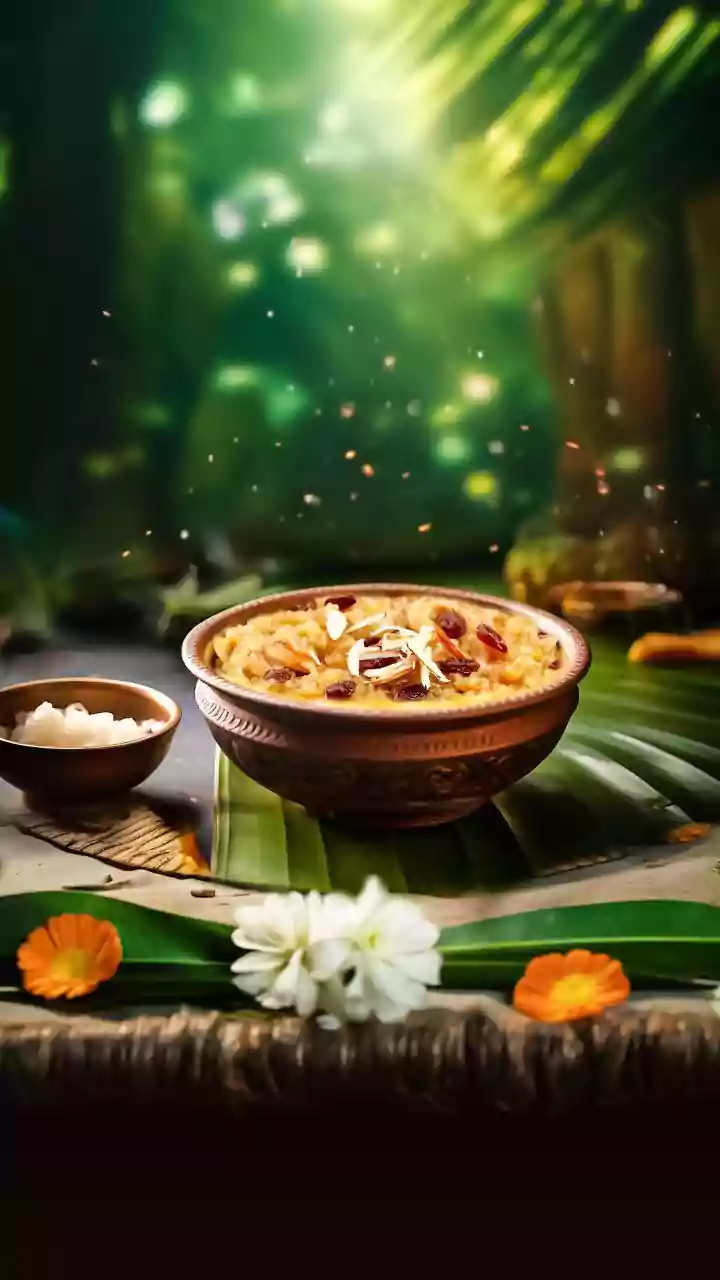
While regional variations are prominent, some dishes have a pan-Indian appeal, albeit with local twists. One such dish is 'Panjiri'. In North India, this is typically made with whole wheat flour or coriander seed powder ('Dhaniya Panjiri'), roasted in ghee with powdered sugar, and loaded with dried fruits and nuts. The use of coriander powder is particularly common for those who are fasting and avoid grains. This nutritious mixture is considered warming and energy-giving, making it a symbolic offering. The preparation showcases how a single concept—a powdered, sweetened nutritional supplement—can be adapted using locally available flours and flavourings, creating a unifying thread in the diverse culinary tapestry of Janmashtami.