




The New Era of Snacking
Snacking in India is no longer just a way to curb mid-day hunger; it has become an intentional act of self-care. Consumers are increasingly trading traditional, often fried, snacks for options that offer functional benefits without compromising on taste.
This shift is driven by a new generation of shoppers who read labels, question ingredients, and seek products that align with their wellness goals. The market is responding in kind, with brands reformulating traditional recipes and creating entirely new products to meet this demand for convenient, healthier, and culturally familiar foods. This move towards 'snackification'—replacing larger meals with smaller, more frequent eating occasions—has made the demand for nutritious, on-the-go options more significant than ever.
Protein Takes Centre Stage
Once confined to the shaker bottles of bodybuilders, protein has firmly entered the mainstream. A significant majority of Indian consumers, around 86% according to one recent report, now consider protein an important factor when choosing a snack. This widespread awareness is partly due to the understanding that many traditional diets can be protein-deficient. As a result, 'high-protein' is no longer a niche fitness claim but a mainstream wellness signal. This demand is evident in the explosive growth of protein-rich products on quick commerce platforms, where orders have surged dramatically, especially in Tier-II cities like Nagpur, Jaipur, and Chandigarh. Consumers are willing to pay a premium for snacks that promise to keep them full, support an active lifestyle, and contribute to their overall health.
The 'Vocal for Local' Effect
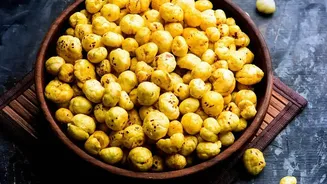
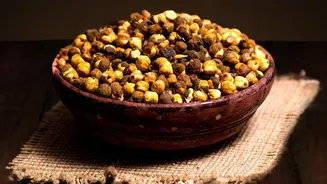
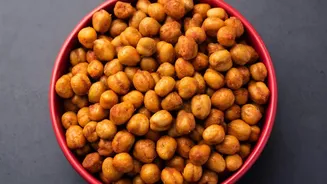
What makes this trend distinctly Indian is the powerful combination of health consciousness with a renewed appreciation for local ingredients. There is a strong and growing consumer sentiment for locally made brands and authentic offerings. This has led to a fascinating revival of indigenous superfoods. Ancient grains and seeds like jowar (sorghum), ragi (finger millet), and bajra (pearl millet) are being transformed into modern formats like baked chips, extruded puffs, and roasted mixes. Similarly, traditional staples like makhana (fox nuts), sattu (roasted gram flour), and various pulses are being celebrated for their natural protein and fibre content. For instance, the market for millet-based snacks in India is booming, with sales skyrocketing as consumers and government initiatives alike recognize their nutritional and environmental benefits. Makhana, once a traditional fasting food, is now a global superfood, with flavoured and roasted versions becoming a popular everyday snack.
Decoding the Wellness Shopper's Checklist
The modern wellness-focused shopper is discerning. Their preference goes beyond just high protein content; they are looking for 'clean labels'. This means a strong preference for natural, non-GMO ingredients and a firm rejection of artificial additives, preservatives, and palm oil. A recent study highlighted that over half of consumers actively seek products with no artificial additives. There's also a growing demand for transparency, with shoppers wanting to know where their food comes from and how it's made. Brands that successfully combine authentic regional flavours with clear, honest labelling are winning their trust. The appeal lies in snacks that are perceived as both healthier and more authentic than their highly processed counterparts.
What This Means for Your Pantry
This trend represents a powerful convergence of health, identity, and commerce. For consumers, it means more choice and access to snacks that are genuinely nourishing. It’s a move away from empty calories towards mindful indulgence. We're seeing everything from pani puri-flavoured protein chips and roasted edamame to moringa-jowar crispies and baked, un-junked versions of bhujia. These products prove that healthy snacking doesn't have to be bland. By choosing snacks made with local grains like millets or pulses, consumers are not only making a better choice for their own health but also supporting a more sustainable and local food ecosystem. This shift is empowering consumers to find a satisfying crunch that aligns with both their fitness goals and their cultural roots.