






First Hurdle: Securing Your Australian Visa
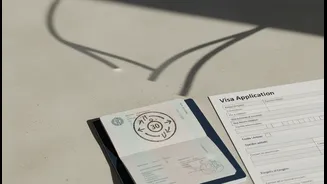
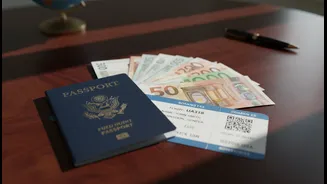
For Indian citizens, there is no visa-on-arrival in Australia; you must apply for a visa in advance. The most common choice for tourism is the Visitor Visa (Subclass 600). This requires you to prove you are a genuine temporary visitor with strong ties
to India and sufficient funds for your trip. Applications are lodged online via the Australian Department of Home Affairs' ImmiAccount portal. Key documents include a valid passport, bank statements for the last six months, proof of employment or business, and a detailed travel itinerary. Processing times can vary, so it is crucial to apply well before your planned travel dates to avoid any last-minute issues.
Understanding Australia’s Strict Biosecurity
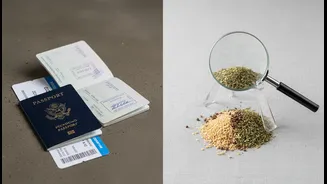
Australia's geographic isolation has created a unique ecosystem free from many global pests and diseases. To protect its agricultural industries and natural environment, the country enforces some of the world's strictest biosecurity laws. This is why you must declare certain goods upon arrival. It is not about collecting tax; it is about risk assessment. Items that seem harmless, like homemade snacks or spices, could potentially carry microscopic threats. The rules apply to everyone entering the country, and being unaware is not considered a valid excuse.
The Golden Rule: When in Doubt, Declare It
All food, plant material, and animal products must be declared on your Incoming Passenger Card (IPC). This includes common items that Indian travellers might pack, such as pickles, spices, tea, nuts, and Indian sweets like burfi and rasgulla. While many commercially prepared and packaged items may be allowed in after inspection, failure to declare them is a serious offence. Items like fresh fruit, homemade meals, meat products, and seeds are of particularly high concern and are often prohibited. The simplest and safest approach is to declare everything. If an item is not allowed, a biosecurity officer will dispose of it, but you will not be penalised for your honesty.
The Incoming Passenger Card: Your Legal Declaration
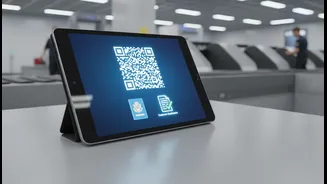
The Incoming Passenger Card is a legally binding document you receive before landing. It is your formal declaration to the Australian government about what you are bringing into the country. Answering the questions on this card untruthfully can have severe consequences. Australia is currently in the process of rolling out a digital replacement called the Australia Travel Declaration, which will allow travellers to submit this information online before arrival, but the paper cards will remain available during the transition. Whether digital or on paper, the requirement for a full and honest declaration remains the same.
The High Cost of a False Declaration
Failing to declare prohibited or restricted items can lead to serious penalties. On-the-spot fines can be significant, potentially running into thousands of dollars. More critically, providing false or misleading information on your passenger card gives Australian Border Force officers the power to cancel your visa on the spot. A visa cancellation means you will be refused entry into Australia and could be banned from returning for up to three years. The potential damage to your travel plans and future ability to visit Australia far outweighs any inconvenience caused by declaring your items honestly.