





What Are We Really Talking About?
Before diving into the science, it's crucial to understand what 'ultra-processed' actually means. The term refers to industrial formulations made mostly from substances extracted from foods, along with a host of additives like artificial colours, flavours,
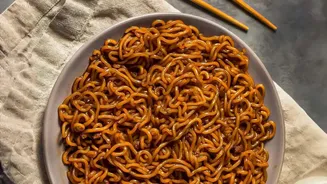
and emulsifiers. Think less about a minimally processed food like canned beans or frozen vegetables and more about instant noodles, packaged cookies, sugary drinks, and ready-to-eat meals. These products are designed to be convenient, have a long shelf life, and are often engineered to be hyper-palatable—that irresistible combination of salt, sugar, and fat that makes them easy to overeat. In India, this category includes everything from packaged namkeen and biscuits to instant curry mixes and flavoured yoghurts.
The Established Health Concerns
The case against a diet high in UPFs is strong and well-documented. Numerous studies have linked high consumption of these foods to a greater risk of serious health issues. These include obesity, type 2 diabetes, cardiovascular disease, and certain cancers. Researchers have long pointed to the poor nutritional profile of most UPFs—they are typically high in calories, added sugars, sodium, and unhealthy fats while being low in fibre and essential micronutrients. A diet dominated by these foods displaces more nutritious, whole foods, leading to health problems over time. Some studies suggest that up to a third of heart disease cases could be attributed to UPF consumption.
New Insight: It's Not Just the Nutrients
Here’s where the picture gets more complex. Emerging research suggests that the health risks of UPFs may not just come from their high sugar and fat content. The industrial processing itself appears to play a significant role. A June 2026 study from Tufts University found that even after accounting for nutritional quality, higher UPF consumption was linked to worse health markers. This points to other factors at play. One major area of new research is the 'food matrix'—the physical structure of food. Aggressive processing can destroy the natural cellular structure of ingredients, which affects how our bodies digest and absorb nutrients. Another focus is on additives like emulsifiers, which are used to improve texture and extend shelf life. Some studies suggest these additives can disrupt the gut microbiome, potentially leading to inflammation and impairing the gut's protective barrier.
Why There Are No Simple Answers
The latest science complicates the narrative that all UPFs are equally evil. Some researchers argue that the UPF category is too broad, lumping beneficial foods in with genuinely unhealthy ones. For instance, whole-grain bread and certain plant-based meat alternatives can be classified as ultra-processed, yet they may offer health benefits. An unpublished study presented at the Nutrition 2026 conference suggested that the overall quality of a diet, particularly its plant-based components, might be more important than the level of processing alone. This suggests that a UPF-heavy diet is often a marker of an overall poor diet, rather than the processing itself being the sole villain in every case. The reality is that not all processing is bad; pasteurising milk and freezing vegetables are processing techniques that preserve nutrients and ensure safety. The issue lies with industrial processes that fundamentally alter food and load it with additives.
A Smarter Way to Think About Your Plate
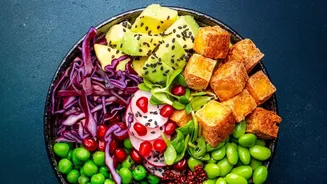
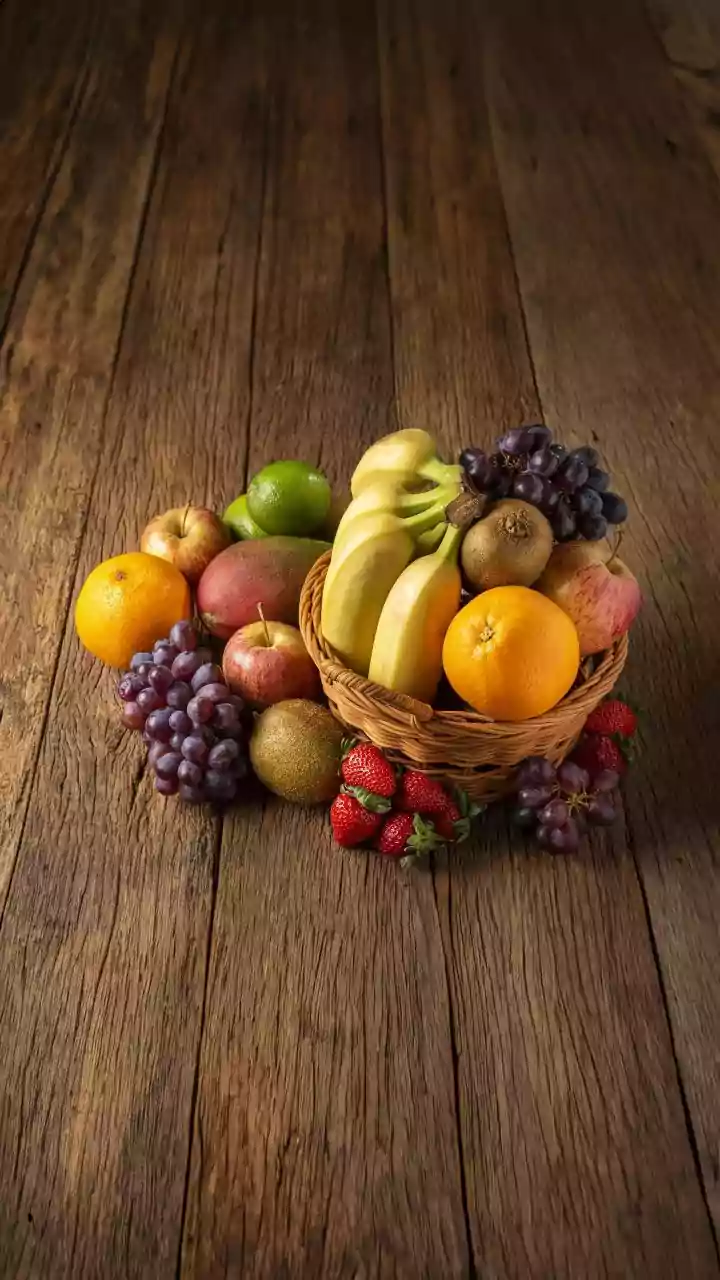
So, where does this leave the average person trying to eat better? The new research doesn't give UPFs a free pass. Instead, it encourages a more thoughtful approach. Rather than obsessing over whether a food is technically 'ultra-processed', a better strategy is to read the ingredient list. If it's long and full of substances you don't recognise from a home kitchen—like maltodextrin, hydrogenated oils, emulsifiers, and artificial sweeteners—it's likely a product to limit. The core advice remains consistent: prioritise whole and minimally processed foods like fresh fruits, vegetables, whole grains, and legumes. The goal isn’t to achieve a perfectly 'clean' diet, which is unrealistic for most, but to shift the balance. Cooking at home more often and being mindful of what's in your packaged foods can make a significant difference without requiring a complete dietary overhaul.