




The Gem of the Sahyadris: Amboli Ghat
Nestled in the Sahyadri Hills of southern Maharashtra, Amboli Ghat is a serene hill station that's rapidly emerging as a favourite escape for nature lovers. Located in the Sindhudurg district, it's the last hill station before the coastal plains of Goa
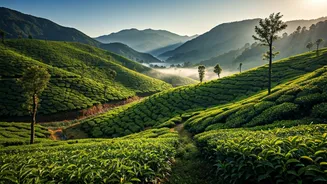
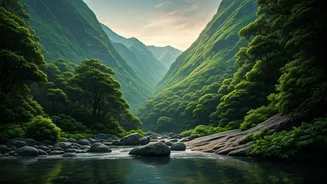
begin, offering a unique blend of high-altitude coolness and coastal proximity. Often called the 'Cherrapunji of Maharashtra', Amboli receives some of the highest rainfall in the state, which transforms the region into a lush, vibrant paradise, especially during the monsoon. Its position as a biodiversity hotspot within the Western Ghats only adds to its allure, making it a trending destination for those looking to swap city noise for the symphony of nature.
A Monsoon Paradise Beckons
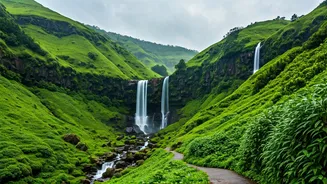
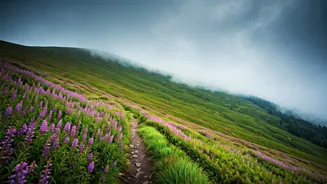
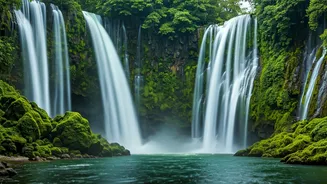
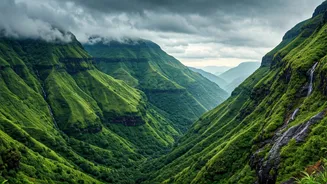
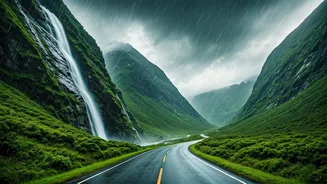
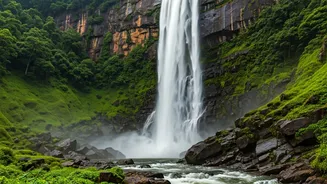
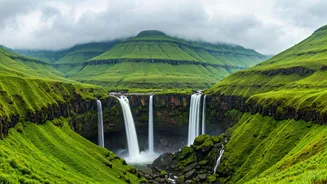
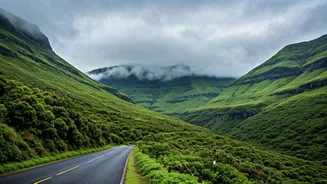
The primary reason for Amboli's rising popularity is its breathtaking monsoon avatar. From June to September, the entire landscape comes alive. The heavy rains feed countless seasonal waterfalls that cascade down the hillsides, creating a spectacle of raw natural beauty. The air hangs heavy with mist, and clouds often drift across the winding roads, creating a dreamy, almost surreal driving experience. This misty, green-and-grey fantasy world is incredibly photogenic, leading to a surge in popularity on social media as travellers share stunning images of its foggy viewpoints and roaring waterfalls, inspiring others to visit.
Must-See Sights and Experiences
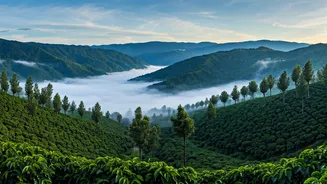
Amboli is dotted with viewpoints and natural wonders. The main Amboli Waterfall, just a few kilometres from the town centre, is the star attraction, where visitors can enjoy the cool spray amidst dense greenery. For panoramic vistas, head to Mahadevgad Point, Shirgaonkar Point, or Kavlesad Point, which is famous for its valley views that often feel like floating above the clouds. A unique phenomenon to witness is the 'reverse waterfall' at Dhabdhaba Falls, where strong monsoon winds push the water spray upwards. History buffs can explore the ruins of Madhavgad Fort, which offers a glimpse into the region's Maratha legacy along with stunning views.
Beyond the Waterfalls: Biodiversity and Cuisine
Amboli's appeal extends beyond its waterfalls. The dense forests are a haven for wildlife enthusiasts and home to a variety of flora and fauna, including rare amphibians like the Malabar gliding frog and the Amboli toad. Guided nature walks and jungle trails offer a chance to explore this rich biodiversity. The local culture is also a draw. The Hiranyakeshi Temple, located at the source of the river of the same name, is a peaceful and spiritual spot. No trip is complete without sampling the local Malvani cuisine; numerous small stalls near the main waterfall serve hot, crispy onion bhajiyas, sabudana vada, and roasted corn on the cob, which are perfect accompaniments to the cool, misty weather.
Planning Your Amboli Getaway
Amboli is well-connected and accessible. The nearest airport is Dabolim in Goa (around 101 km away), while the closest railway station is Sawantwadi Road (about 37 km away), with frequent train services. From both locations, taxis and buses are readily available. A road trip is also a popular option, with scenic routes from major cities like Panjim (90 km), Belgaum (68 km), and Kolhapur (113 km). The best time to experience its monsoon glory is from June to August, though this is also the most crowded period. For a quieter visit with pleasant weather, consider the post-monsoon months from October to February. Accommodation options range from budget-friendly guesthouses to comfortable resorts, catering to all types of travellers.