


The Astronaut's Long Wait
The romance of space travel often obscures a harsh reality: there are far more astronauts than there are opportunities to fly. As of early 2026, NASA's active astronaut corps consists of a few dozen highly trained individuals, but the agency has only
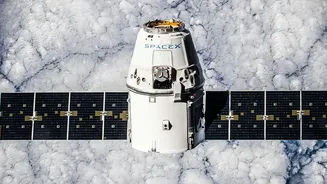
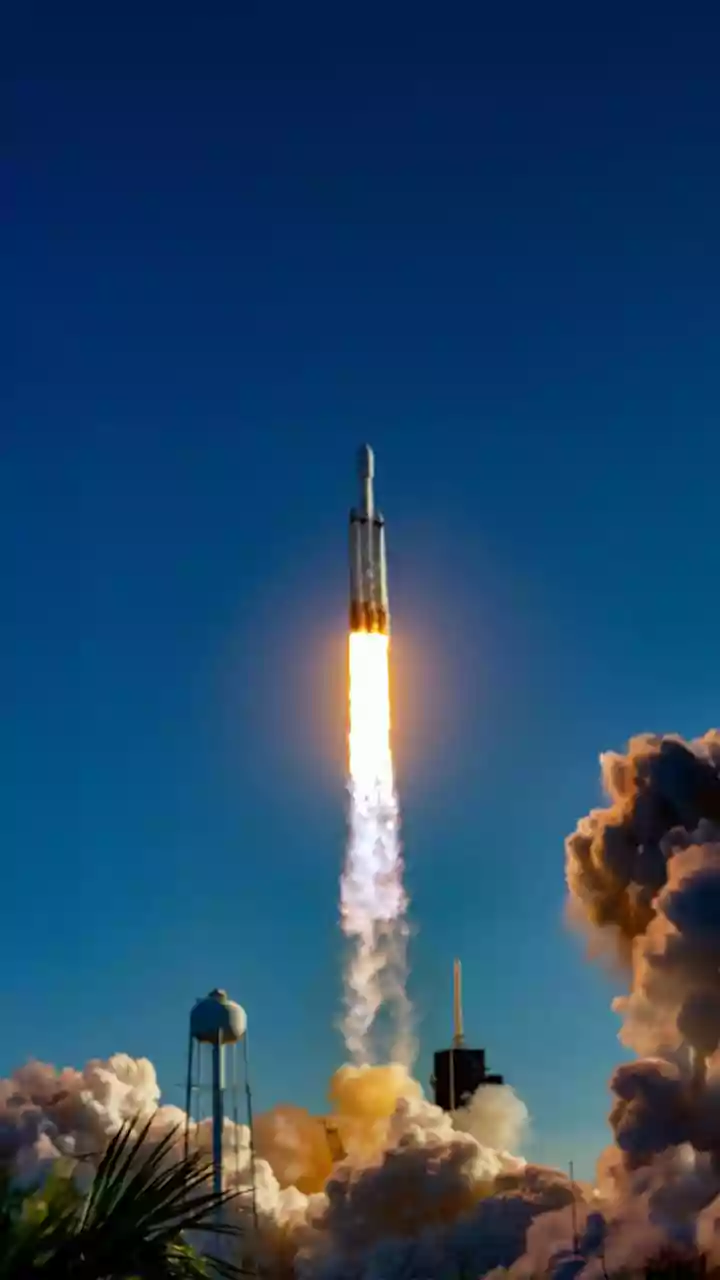
been able to fly a small number to space each year. This creates a significant backlog. It's not uncommon for astronauts, even those selected in classes from years ago, to still be waiting for their first mission assignment. This isn't a new problem, but it has been amplified since the end of the Space Shuttle program, which could fly larger crews multiple times a year. Today's reliance on smaller capsules from commercial providers like SpaceX and the delayed timelines of new programs mean the line for a seat on a rocket is longer than ever.
India's Gaganyaan Dream Meets Global Reality
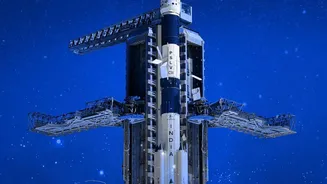
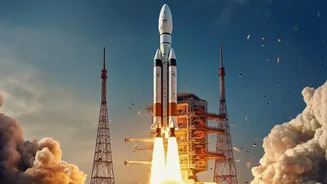
This global context is crucial for India's ambitious Gaganyaan program. ISRO has selected four decorated Indian Air Force test pilots — Group Captains Prasanth Balakrishnan Nair, Ajit Krishnan, Angad Pratap, and Wing Commander Shubhanshu Shukla — as the nation's first astronaut-designates. They are undergoing rigorous training for a mission that will mark India's entry into the elite club of nations capable of independent human spaceflight. However, the Gaganyaan mission has seen its timeline shift. Initially announced with a target of 2022, the first crewed flight is now anticipated around 2027, pending the successful completion of several uncrewed test flights. These delays, driven by a laudable and necessary focus on crew safety, mean India's pioneers are also in a state of prolonged readiness, mirroring their international counterparts.
Why Are Flights So Limited?
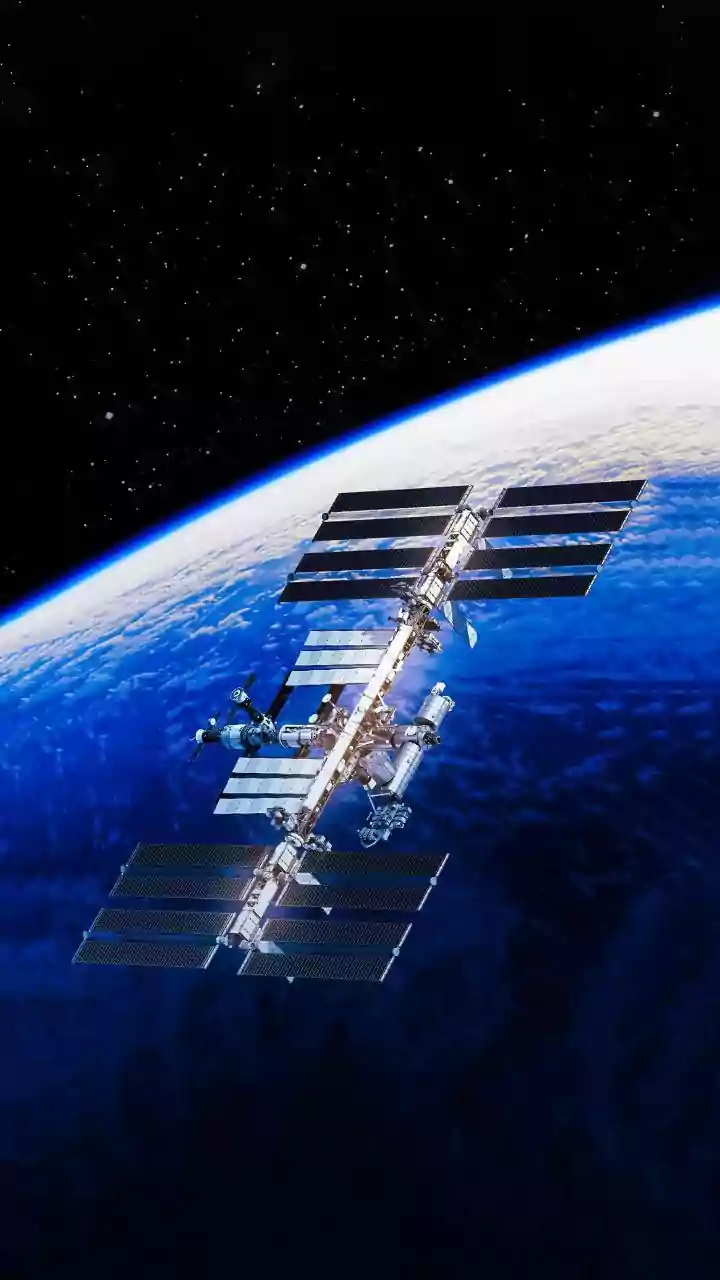
Several factors contribute to this scarcity of flight opportunities. Firstly, human spaceflight is incredibly complex and expensive. Developing and launching human-rated rockets and spacecraft costs billions. Secondly, the industry is in a transition period. While the International Space Station (ISS) remains the primary destination, its operational future has a time limit. Future flights are tied to ambitious but often-delayed deep-space programs like Artemis, NASA's plan to return to the Moon. The Artemis program itself relies on new, unproven hardware like SpaceX's Starship for the lunar landing, which has faced its own development delays. Each technical setback or failed test has a ripple effect, pushing astronaut assignments further into the future.
The Hidden Costs of Unrealistic Timelines
Announcing bold, optimistic timelines may generate initial public excitement and political support, but there are significant downsides. For the astronauts themselves, waiting years after completing training can lead to skills atrophy and a decline in morale. They must maintain peak physical and mental condition for a mission that is perpetually just over the horizon. For the programs, consistently missing self-imposed deadlines can erode public trust and make it harder to secure sustained funding. ISRO Chairman S. Somanath has rightly emphasized extreme caution, noting the desire to avoid the kinds of setbacks seen with other programs. This highlights the tension between the pressure to meet a deadline and the absolute necessity of ensuring crew safety, which must always win out.
A Call for Pragmatism in the Stars
The solution is not to stop dreaming big, but to manage expectations with realism. Space agencies, including ISRO, should be applauded for prioritizing safety over schedules. The public and political stakeholders must learn to view space exploration as a marathon, not a sprint. Instead of focusing solely on a single launch date, the narrative should celebrate the incremental milestones: the successful engine tests, the flawless uncrewed flights, and the completion of complex hardware qualifications. For a program like Gaganyaan, every successful test is a victory that brings India closer to its goal. A realistic approach ensures that the program is sustainable, that the astronauts are prepared and not burned out, and that when the moment finally comes to launch, it is done with the highest possible confidence in success.