



Why the Rains Weaken Digestion
According to Ayurveda, the monsoon or ‘Varsha Ritu’ is a season when our digestive fire, known as ‘Agni,’ naturally becomes weaker. The increased humidity and dampness in the environment are believed to have a similar effect on our internal systems, making
it harder for the body to break down food efficiently. This period is also marked by an aggravation of the ‘Vata’ dosha (the energy of air and space), which can lead to common monsoon complaints like bloating, gas, indigestion, and a general feeling of heaviness after meals. The slower digestion also makes the body more susceptible to infections from food and water, which are more common in the humid climate.
Embrace Warm, Light, and Cooked Foods
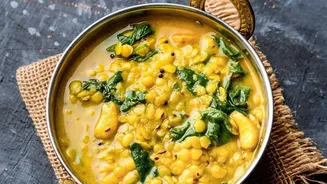
The cornerstone of a monsoon diet is to favor foods that are light, warm, and easy to digest. This is why freshly cooked meals are heavily emphasized over stale or refrigerated leftovers. Simple, nourishing dishes like khichdi, made from rice and moong dal, are considered ideal as they provide balanced nutrition without taxing the gut. Warm soups, steamed vegetables, and porridges made from old grains like barley and rice are also recommended. The logic is simple: warm and cooked food is gentler on a weak digestive fire and the cooking process helps eliminate pathogens that thrive in damp weather.
Harness the Power of Spices and Herbs
Indian kitchens are a treasure trove of digestive spices that become particularly important during the monsoon. Warming spices like ginger, black pepper, cumin, turmeric, and asafoetida (hing) are known to help kindle the digestive fire and prevent bloating. A small piece of ginger with rock salt before a meal is a traditional practice to stimulate digestion. Herbal teas made with ingredients like tulsi, ginger, and mint are excellent for hydration and immunity. Drinking boiled or purified warm water throughout the day is also advised, as cold drinks are believed to suppress the digestive fire further.
Foods to Approach with Caution
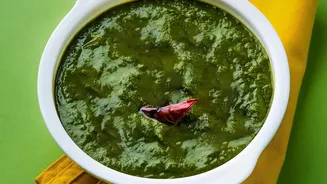
Just as important as what to eat is what to avoid. Traditional wisdom suggests limiting raw foods, especially leafy green vegetables like spinach and cabbage, during this season. The high moisture content makes them prone to carrying more germs and dirt, which can be hard to wash away. Heavy-to-digest foods, including fried snacks, excessive dairy like curd (especially at night), and red meat should also be reduced. While pakoras and samosas are popular monsoon snacks, they are best enjoyed in moderation as their oily and heavy nature can overburden the digestive system.
Focus on Seasonal Vegetables and Fruits
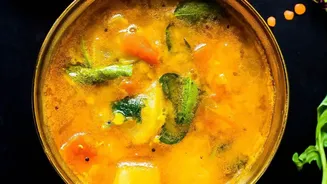
Eating seasonally is a core principle that shines during the monsoon. Nature provides produce that is best suited for the body's needs. Vegetables like bottle gourd (lauki), ridge gourd (turai), and bitter gourd (karela) are light and easy to digest. These bitter and astringent vegetables are also believed to help prevent infections. For fruits, it’s best to choose options like pomegranates, apples, pears, and plums. Overly watery fruits like watermelon are sometimes avoided as they can increase dampness in the system, according to Ayurvedic principles.