







The Allure of the Monsoon Journey
The Indian monsoon has long been a time for cozy retreats, but a significant shift is underway. Younger, experience-seeking travelers are moving beyond traditional destinations and embracing the unique charm of 'monsoon tourism'. Instead of seeing the rain
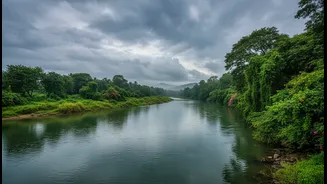
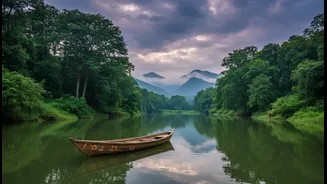
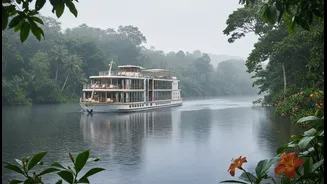
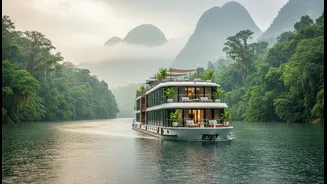
as an obstacle, they view it as the main event. There is a certain magic to watching lush riverbanks, drenched and vibrant, glide by from the comfort of a five-star cabin. This form of 'slow travel' allows passengers to disconnect from urban chaos and immerse themselves in a landscape transformed by the rains. The journey itself, punctuated by the rhythm of the river and the downpour, becomes the primary experience.
Cruising India's Great Waterways
While ocean cruising is established, luxury river cruising offers a more intimate and accessible way to explore India's heartland. The main arteries for these journeys are the mighty Brahmaputra in Assam and the sacred Ganges in West Bengal. A cruise along the Brahmaputra offers a passage into a world of unparalleled biodiversity and culture. Itineraries often include jeep safaris in Kaziranga National Park, home to the one-horned rhinoceros, visits to the monastery on Majuli, the world's largest river island, and interactions with Mishing tribal communities in their stilted homes. Ganges cruises, particularly on its tributary the Hooghly, sail through West Bengal's rich history, stopping at former colonial settlements, terracotta temples, and artisan villages known for brass and silk weaving.
Designed for a New Generation
Luxury river cruises are succeeding with millennials by aligning with their travel values: authenticity, wellness, and shareable moments. Unlike large ocean liners, these smaller vessels, often with fewer than 50 guests, foster an intimate, personalised atmosphere. Onboard amenities frequently include yoga and meditation sessions on the sundeck, spas, and gourmet dining that highlights regional cuisine. Shore excursions are curated to be immersive, going beyond simple sightseeing to include interactions with local artisans, visits to tea plantations, or exploring ancient ruins. This focus on authentic cultural immersion, combined with the undeniable aesthetic of a river journey, provides the unique, story-rich content that this generation of travelers prizes.
The Appeal of All-Inclusive Luxury
For busy young professionals, the logistical ease of a river cruise is a powerful draw. The all-inclusive model means that accommodation, gourmet meals, beverages, and a full program of guided daily excursions are typically covered in a single price. This hassle-free approach allows travelers to unpack once and wake up in a new, fascinating location each day without the stress of planning transport, booking guides, or finding quality restaurants. While the upfront cost is significant, it represents a different kind of value—one where the entire experience, from the service to the exclusive access it provides, is curated for seamless relaxation and discovery. This is particularly appealing to those seeking short, rejuvenating breaks of three to seven nights.
A Rainy Season Advantage
Traditionally considered the off-season, the monsoon is now being leveraged as a unique selling point. For travelers, this can mean fewer crowds and better deals compared to the peak winter season. For cruise operators, the high water levels during and just after the monsoon (from July to September) open up new navigational possibilities. Certain stretches of the upper Ganges, for instance, are only accessible to larger ships when the river is swollen with monsoon rains, allowing direct sailings to spiritual hubs like Varanasi. The landscape is at its most verdant and dramatic, and the air is fresh and clear after the rain, making it an ideal time for photography and quiet contemplation.