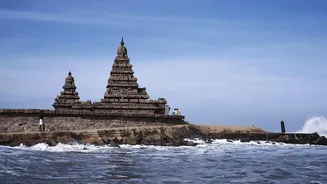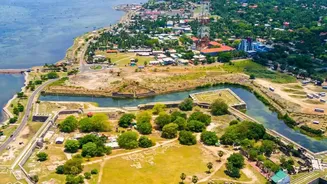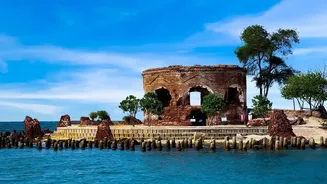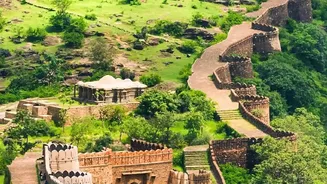







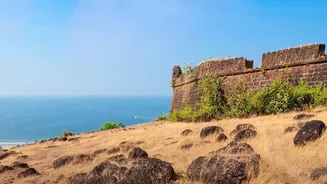
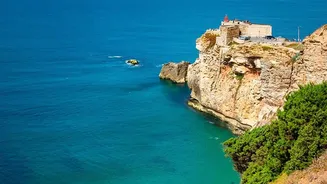
Dotted along the Konkan coast, Maharashtra's sea forts stand as silent, imposing witnesses to a bygone era of maritime power. More than just ancient ruins, they are a vital part of our national heritage, and their preservation is a critical task.
Sentinels of a Maritime Legacy
For centuries,
the coastline of Maharashtra was a theatre of intense naval strategy, trade, and conflict. The sea forts built here were not merely defensive structures; they were the nerve centres of regional power. From these formidable bases, rulers controlled maritime trade routes, collected taxes, and projected their authority across the Arabian Sea. They served as symbols of sovereignty and engineering prowess, withstanding both enemy attacks and the relentless power of the sea. These forts tell the story of the Marathas, Siddis, Portuguese, and British who vied for control of the coast, making them irreplaceable archives of India's rich and turbulent naval history. Understanding these structures is to understand the economic and military foundations of western India.
The Invincible Fort of Murud-Janjira
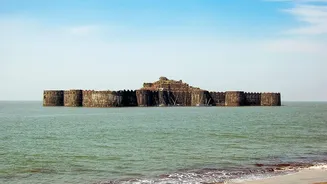
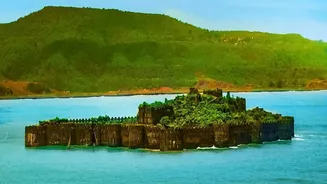
Perhaps no sea fort captures the imagination quite like Murud-Janjira. Rising from a rocky island off the coast of Murud, this fortress is a testament to extraordinary military architecture and resilience. Originally built in the 17th century by the Siddis of Abyssinian descent, Janjira earned a legendary reputation for being unconquerable. It successfully repelled numerous attacks from the Marathas, Portuguese, and British over centuries. Its thick walls, 19 formidable bastions armed with cannons, and self-sustaining design with internal freshwater lakes allowed its defenders to withstand long sieges. The main gate, hidden from view from the open sea, was a clever defensive feature that often confused attackers. Today, its weathered ramparts and decaying cannons still whisper tales of its glorious and defiant past.
A Battle Against Time and Tide
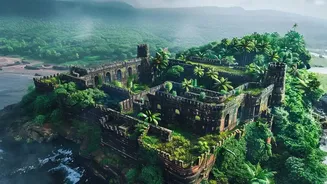
The very elements that these forts were built to command are now their greatest threat. The constant assault of saline winds, humidity, and powerful monsoon waves causes relentless erosion. The salt in the sea air penetrates the porous laterite rock and mortar, causing them to crumble from within. Vegetation overgrowth pries stones apart, weakening the structural integrity of walls and bastions. Beyond natural decay, human factors pose a significant danger. Unregulated tourism can lead to vandalism and littering, while a lack of resources and funding slows down crucial conservation work. Preserving a sea fort is a logistical nightmare; transporting materials and skilled labour to an island fortress is both expensive and technically challenging, making restoration a slow and painstaking process.
The Case for Conservation
Preserving these forts is about more than just saving old stones; it's about safeguarding our cultural identity. These structures are tangible links to our history, offering invaluable lessons in architecture, engineering, and military strategy. They are crucial for education and research, providing a physical landscape where history can be felt and understood. Furthermore, well-preserved forts can become hubs for sustainable heritage tourism. By developing these sites responsibly, we can create economic opportunities for local communities through guided tours, hospitality services, and craft sales. This model ensures that the fort's legacy benefits the very people who live in its shadow, creating a virtuous cycle where tourism funds further conservation.
Visiting with Purpose and Respect
When visiting a historic sea fort like Murud-Janjira, the experience transcends simple sightseeing. It is an opportunity to connect with a legacy of resilience and ingenuity. To truly appreciate these sites, it's essential to visit with a sense of respect. This means adhering to guidelines set by authorities like the Archaeological Survey of India (ASI), not littering, and refraining from climbing on fragile structures. Engaging a local guide can transform a visit from a simple walk into a rich storytelling experience, offering insights into the fort's history and legends that you might otherwise miss. A responsible tourist understands that they are a guest in a place of great historical importance and that their actions can contribute to either its decay or its survival.