


Sabudana: The Instant Energy Provider
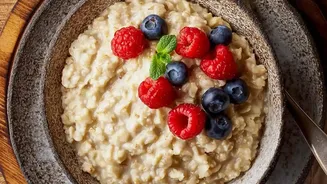
Sabudana, or tapioca pearls, is a fasting favourite for one primary reason: it provides a quick and efficient source of energy. Made from the starch of cassava root, it is almost entirely composed of carbohydrates. During a fast, when meals are infrequent,
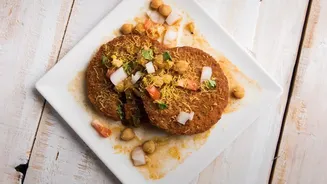
blood sugar levels can drop, leading to fatigue. A meal containing sabudana delivers an immediate energy boost, helping maintain stamina throughout the day. Beyond energy, sabudana is also incredibly light on the digestive system. Its soft, chewy texture when cooked is gentle on the stomach. Being naturally gluten-free, it serves as an excellent alternative to wheat-based products. Its neutral flavour is another major advantage, allowing it to absorb the taste of spices and other ingredients it's cooked with, from savoury khichdi and crispy vadas to sweet, milky kheer. This versatility makes it a cornerstone of vrat cuisine, offering satisfying and comforting meals that adhere to fasting rules.
Singhara Atta: The Nutrient-Dense Flour
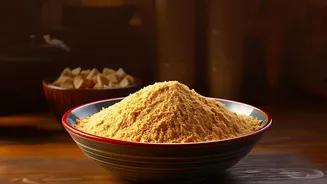
Singhara atta, or water chestnut flour, is another indispensable ingredient during vrat. Unlike regular grains, it is derived from dried, ground water chestnuts, which are aquatic vegetables. This makes it a permitted, gluten-free flour during fasts when cereals are avoided. Its nutritional profile is where it truly shines. Singhara atta is a good source of carbohydrates for energy but also comes packed with essential minerals like potassium and iron, along with vitamins. The high potassium and low sodium content can help in managing water retention in the body. Furthermore, it is rich in fibre, which is crucial during a restricted diet. Fibre takes longer to digest, promoting a feeling of fullness and preventing the urge to snack on unhealthy options. This slow digestion also helps in providing sustained energy. Traditionally, singhara is considered to have cooling properties, which helps in balancing body heat. Its utility is vast, used to make everything from fluffy puris and rotis to dense, flavourful halwa, providing a wholesome and nourishing foundation for many fasting meals.
Samak Rice: The Wholesome Grain Imposter
Often called 'vrat ke chawal', Samak rice is not a type of rice at all. It is a type of millet, specifically barnyard millet. Since it's technically a seed and not a cereal grain, it is widely permitted during fasting periods like Navratri. Samak rice is prized for its balance of nutrients. Compared to more refined grains, it is high in dietary fibre and has a lower glycemic index, which means it releases energy slowly and prevents sharp spikes in blood sugar. This quality is invaluable during a fast, as it provides sustained energy and keeps you feeling full for longer. It is also light and easy to digest, which is a key requirement for sattvic or fasting food. Rich in minerals like iron and magnesium, it offers more nutritional value than many other simple carbohydrate sources. Its versatility mirrors that of regular rice; it can be used to make a simple pulao, a creamy kheer, a savoury khichdi, and even idlis and dosas, making it an incredibly adaptable and healthful choice for any fasting meal.